Archive for the ‘WWII’ Category

Destroy or Decay – The Abandoned Mansfield Training School

Posted: October 13, 2016 by Hidden Wonders Photography in #postaday, Abandoned, Abandoned Attractions, Abandoned Business, Abandoned Connecticut, abandoned home, Abandoned Hospital, Abandoned House, abandoned new england, Abandoned Sanatorium, Abandoned USA, Abandoned Wonders, Birds, Broken, Children, Children's Hospital, Closed, commercial, Connecticut, darkness, Death, Destruction, empty, Exploration, exploring the abandoned, fire, Forgotten, forgotten beauty, forgotten home, Ghosts, Graveyard, Haunting, Hiking, History, House, Information, left behind, lost, Mansfield, Mansfield Training School, Mystery, nature, new england, nightmares, overgrown, photography, Public Parks, research, Ruins, Safety First, Searching, Seaside Sanatorium, Stories, Storrs, Sunrise Resort, UCONN, Uncategorized, Undercliff Sanatorium, Urban Decay, Urban Exploration, Urban Exploring, Urbex, writing, WWII
Tags: , , , , , , , , , , , , , , , , , , , , , , , , , , , , , , , , , , , , , , , , , , , , , , , , , , , , , , , , ,

Destroy or Decay

The Abandoned Mansfield Training School

Written by: Sean L.

Photographs by: Amanda H.

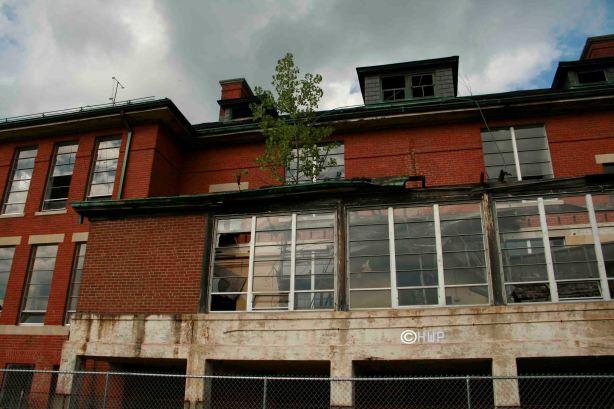
Decay, it’s a bit of a fickle word. Just the mention of it conjures up unsettling images of rot and decomposition. Destroy, do I really have to define this one? It’s a word we all know and maybe even use too much. But which is worse, to destroy or to decay? It is a question that many of our great abandoned wonders have faced over the years. Many local legends such as Sunrise Resort and Undercliff Sanatorium have been demolished. But others, such as the abandoned Mansfield Training School, have faced decay. Rather than being demolished it has merely been left to rot. Sure, certain precautions have been taken to shore up the property. But let’s be honest, we’re simply delaying the inevitable. Though many tall fences have gone up since our last visit, Mansfield Training School is continuing its slow decent into destruction.

_mg_4990

The facility was created following the merger of the institutions in both Lakeville and Mansfield, Connecticut during 1917. It was christened the Mansfield Training School and Hospital, a facility for the care of the intellectually disabled. They started off with a relatively small number of patients. Major events in history such as the Great Depression and World War II caused the population of patients to grow and become overcrowded. But during the sixties and seventies, regulations began to change, resulting in more staff and caregivers being provided. Some years later, patients began to be moved from the hospital to on-site cottages and group homes. Regrettably, while there were many stories of good and fair treatment of the patients, there were also several tragic ones. Under a pile of lawsuits, the facility was forced to close its doors in 1993. The property was then split amongst the University of Connecticut and the neighboring Bergin Correctional Institute.

In the waning days of Summer 2016 began to slowly fall off the calendar, like leaves from a tree, we made our return to the abandoned Mansfield Training School. Some places are just worth a second or even a third visit. And this is certainly one of them. Sitting on the far side of the Depot Campus of the University of Connecticut, the abandoned Mansfield Training School was as quiet as I remembered it. Just a short stroll from the hustle and bustle of the main campus, it is shocking how desolate this corner of the school feels. We did not come across a single soul on our walk through the former hospital quad. Just like our previous visit. The whole place felt like something out of a nightmare. Even though it lies in such close proximity to one of the largest and well known schools in the country, this place was as quiet as a tomb. The only signs of life were the scurrying families of squirrels darting for cover as we strolled through this abandoned wasteland.

While the atmosphere of the abandoned Mansfield Training School may not have changed at all since our last visit, the grounds themselves have taken a rather serious toll. Chain link fences have been installed around the infamous Knight Hospital and a few of the farther south buildings. The tunnels systems have all been dug up or filled in. But even worse, vandalism has taken a massive rise in the past year. Doors have been kicked open. Windows have been smashed. Access to these dark and dangerous places is as easy as it has ever been. And inside these former hospital buildings is like the edge of Hell. Around each corner lies more chaos and destruction. Though it is as quiet as death in here, the pain and the anguish that this place feels cannot be ignored. We’ve seen a few spooky things happen here, such as the fabled “Angel of the Asylum,” but today this place felt more haunted than ever. The Saint Mary Statue had been moved. Shadows crept in the corners of every room. And there was a strong presence to be felt.

And so I ask again, is it better to destroy or to decay? Over the years, there allegedly have been many different proposals to demolish these infamous grounds. But none have come to fruition. With the recent additions of the chain link fences, clearly someone wants to preserve this place. It is, in fact, listed as a Historical Landmark. But one would not likely be able to guess that after one look at the state of the Mansfield Training School. It has fallen quite a long way in just twenty odd years since its closure, mostly at the hands of vandals. To destroy it would cost the state millions of dollars, and be the end of a once beloved landmark. But to leave it to decay would be the same result, except for the number of years it would take to get there. Neither of them seem like good options, and seems that some have chosen to forget about the abandoned Mansfield Training School. But its still there. Everyday. Wondering. Waiting. Destroy or Decay? Destroy or Decay? Destroy or Decay?
_mg_4947

Cold War Ghost Town – The Abandoned Truro Air Force Station

Posted: August 18, 2016 by Hidden Wonders Photography in #postaday, Abandoned, Abandoned Baseball Field, Abandoned Cabin, Abandoned Cape Cod, Abandoned Forts, abandoned home, Abandoned House, Abandoned Massachusetts, abandoned military bases, abandoned new england, Abandoned USA, Abandoned Wonders, Bates Motel, Beaches, Birds, Broken, Cape Cod, Closed, darkness, Death, Destruction, empty, Exploration, exploring the abandoned, Forgotten, forgotten beauty, forgotten home, Fortress, Forts, Ghosts, Graveyard, Haunting, Hiking, History, House, Information, left behind, Magic, Massachusetts, Military, Military Forts, Mystery, nature, new england, nightmares, Ocean, Ocean View, overgrown, photography, Public Parks, research, Ruins, Safety First, Searching, seaside, State Parks, Stories, Truro, Uncategorized, Urban Decay, Urban Exploration, Urban Exploring, Urbex, writing, WWII
Tags: , , , , , , , , , , , , , , , , , , , , , , , , , , , , , , , , , , , , , , , , , , , , , , , , , , , , , , , , , , , , , , ,

Cold War Ghost Town

The Abandoned Truro Air Force Station

Written by: Sean L.

Photographs by: Amanda H.

War is a lot like love. It is easy to start, difficult to end, and impossible to forget. No conflict in human history has ever been truer to these words than the Cold War. Decades of mutual hatred between the East and the West brought our entire planet to the brink of destruction. It was an era of fear, anger, and paranoia. And out of those dark emotions came a massive military build-up that spanned across the globe. Today, it is a different world. All of these fears and doubts have faded away, but the ghosts of the Cold War conflict have not. They are hidden, amongst the darkest corners of our forests and our memories. Ruins of old military bases are now nothing more than graveyards. But on the far reaches of Cape Cod, there is one that stands out from all others.

IMG_6510

In the dark days following World War II, the United States military began to prepare to adjust to the changing international atmosphere. Across the country, missile defense bases began to emerge. In 1951, the North Truro Air Force Station was born. Situated on the far end of Cape Cod, Massachusetts, the base had many different jobs during the Cold War conflict. With ever changing and advancing technology, the station was largely used as a radar and air defense base. It housed hundreds of American military personnel over the years, and was complete with on-site housing and recreational facilities. But when the Cold War came to a sudden end in 1991, the future of the station became cloudy. In the turmoil that followed, the North Truro Air Force Station was closed in 1994 and the land was sold off.

This slideshow requires JavaScript.

Over the years, we had heard many rumors and stories about the North Truro Air Force Station. Many debated whether or not the place was worth a visit, and even more argued about what was actually left to see. Finally, in the early summer of 2016, we were finally able to stop by the curious facility. The sun was shining. The beaches were busy. And the true magic of Cape Cod was just beginning to wake up. The Air Force Station lies off a quiet road on the far side of North Truro. It is actually only a short drive from the fabled Bates Motel, which is more than worth a visit. The base is technically part of a national park, and is legal to visit. Certain areas are still used for community functions though, and are off limits. It doesn’t look like much, but hidden amongst the heavy underbrush and beach foliage is a ghost town, as old and as spooky as the Cold War itself.

This slideshow requires JavaScript.

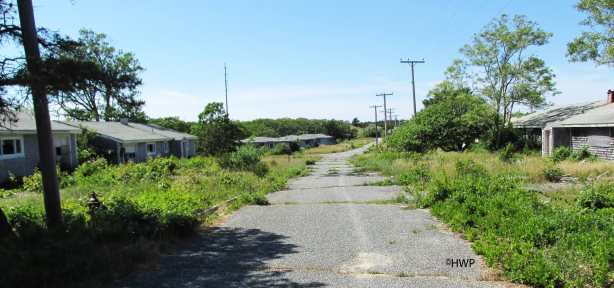
Upon arrival, the first thing to greet you is what appears to be a large open field. But in actuality, this is the overgrown baseball field from the station’s heyday. The old dugouts and diamond can still be seen if you look hard enough. It is a short walk down the old road, though, where things start to get interesting. Here lies the ghost town. Lining a short stretch of road are what remains of the on-site housing for the military personnel. Each one has simply been left to rot. The doors aren’t even boarded up. Inside, kitchen supplies, mementos, and relics of the past have been simply left behind. The houses at the front of the street were for enlisted men. Down the road were the officer’s houses, which were larger and included garage bays. Many tools and pieces of scrap metal could still be found in a few garages. But beware, asbestos warnings and broken glass are everywhere. Watch your step.

This slideshow requires JavaScript.

Hidden farther off in the woods is the old helipad. There is not much to see here, save for a few concrete foundations and filled in tunnels. A slight breeze from the nearby ocean blows through the tall sea-grass. Sea birds and gulls caw overheard, singing a soft eulogy for this forgotten place. We only ran into two other people, an old couple walking their dog who were more than happy to tell us what they knew about the site. If you truly wish to see urban decay at its finest, without running the risk of being arrested, then this place is a must see. It truly is a ghost town, as if everyone just got up and left someday. Never to return. Of all the former military bases we have explored, North Truro Air Force Station was the most intact and most interesting. It is in a class all its own. But to us, this place, much like the Cold War, will be impossible to forget.

IMG_6508


Turn the Corner — The Ruins of Manchester Drive-In

Posted: May 27, 2015 by Hidden Wonders Photography in #postaday, Abandoned, Abandoned Attractions, Abandoned Business, Abandoned Cinema, Abandoned Connecticut, Abandoned Drive-In, abandoned new england, Abandoned Theaters, Abandoned USA, Abandoned Wonders, Automobiles, Bolton, Broken, Cinema, Closed, commercial, Connecticut, darkness, Destruction, empty, Exploration, exploring the abandoned, for sale, Forgotten, forgotten beauty, Haunting, Hiking, History, Homeless, Information, left behind, lost, Manchester, Manchester CT, Movies, Mystery, nature, new england, nightmares, overgrown, photography, Public Parks, research, Ruins, Safety First, Searching, Showcase Cinema, State Parks, Stories, Theater, time, Uncategorized, Urban Decay, Urban Exploration, Urban Exploring, Urbex, writing, WWII
Tags: , , , , , , , , , , , , , , , , , , , , , , , , , , , , , , , , , , , , , , , , , , , , , , , , , , , , , , , , , ,

Turn the Corner

The Ruins of Manchester Drive-In

Written by: Sean L.

Photography by: Amanda H.

Movies. Popcorn. Soda Pop. Greased back hair. Your best gal in the backseat of your Chevy. Just another Saturday night. There was a time. Most of us here are a little too young to remember these days. But back in the late nineteen fifties and early sixties, the drive-in movie theater became a bit of a phenomenon here in the US. There were at one time over four thousand drive-in movie theaters all across the country, mostly located in the rural sections. They were the place to be come Saturday night, not just for movies but for a chance to show off your ride. But for the old Manchester Drive-In, all of that is gone. Opened in the early 1950’s, the Manchester Drive-In was one of many drive-in theaters to pop up in Connecticut during this time period. As opposed to the drive-in theaters of today, Manchester had only one screen. It could hold over five hundred cars per showing. But over the years, the excitement and the wonder of drive-in movie theaters began to wane. Most of the theaters across the state began to steadily close their doors, including the Manchester Drive-In.

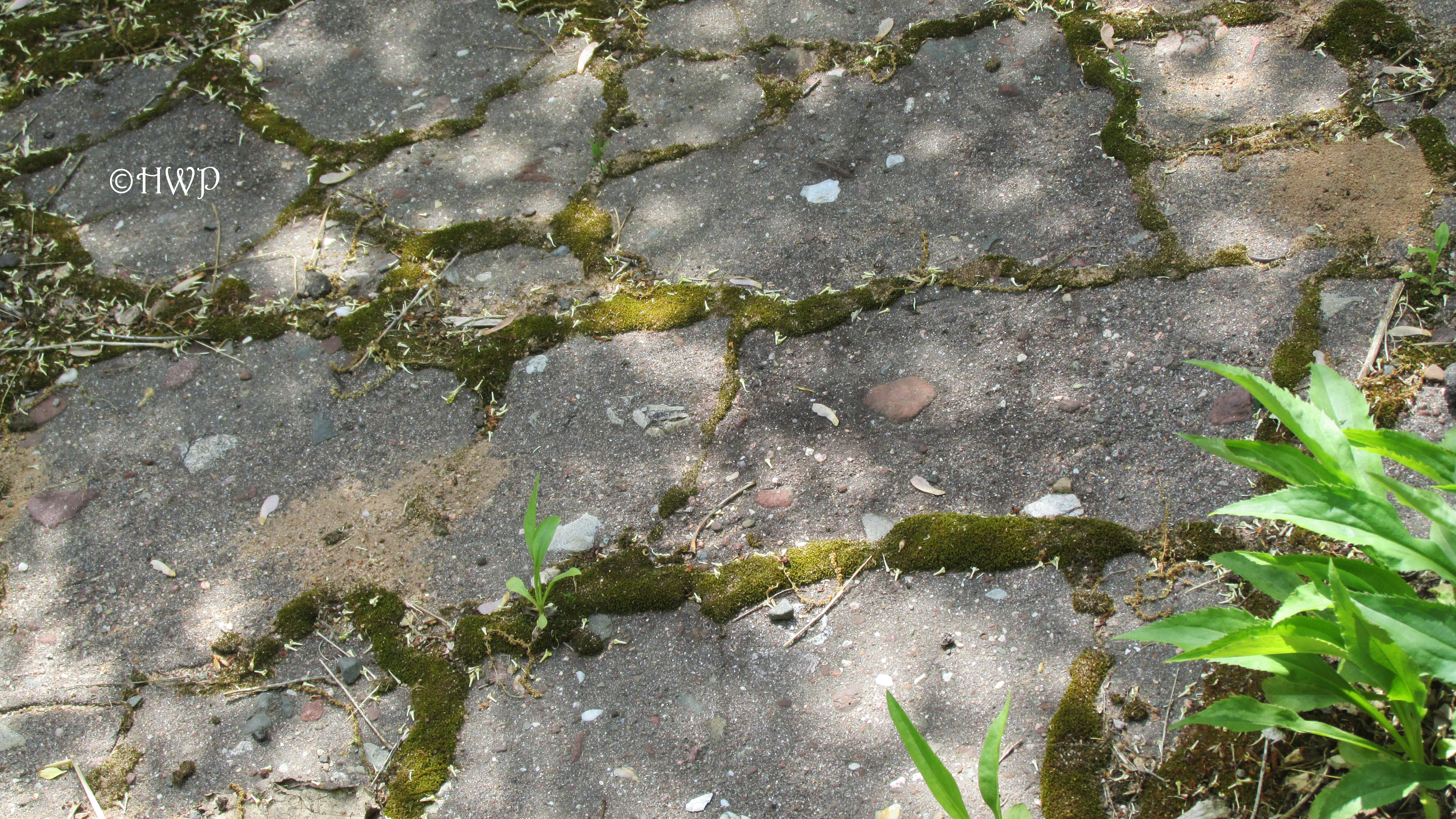
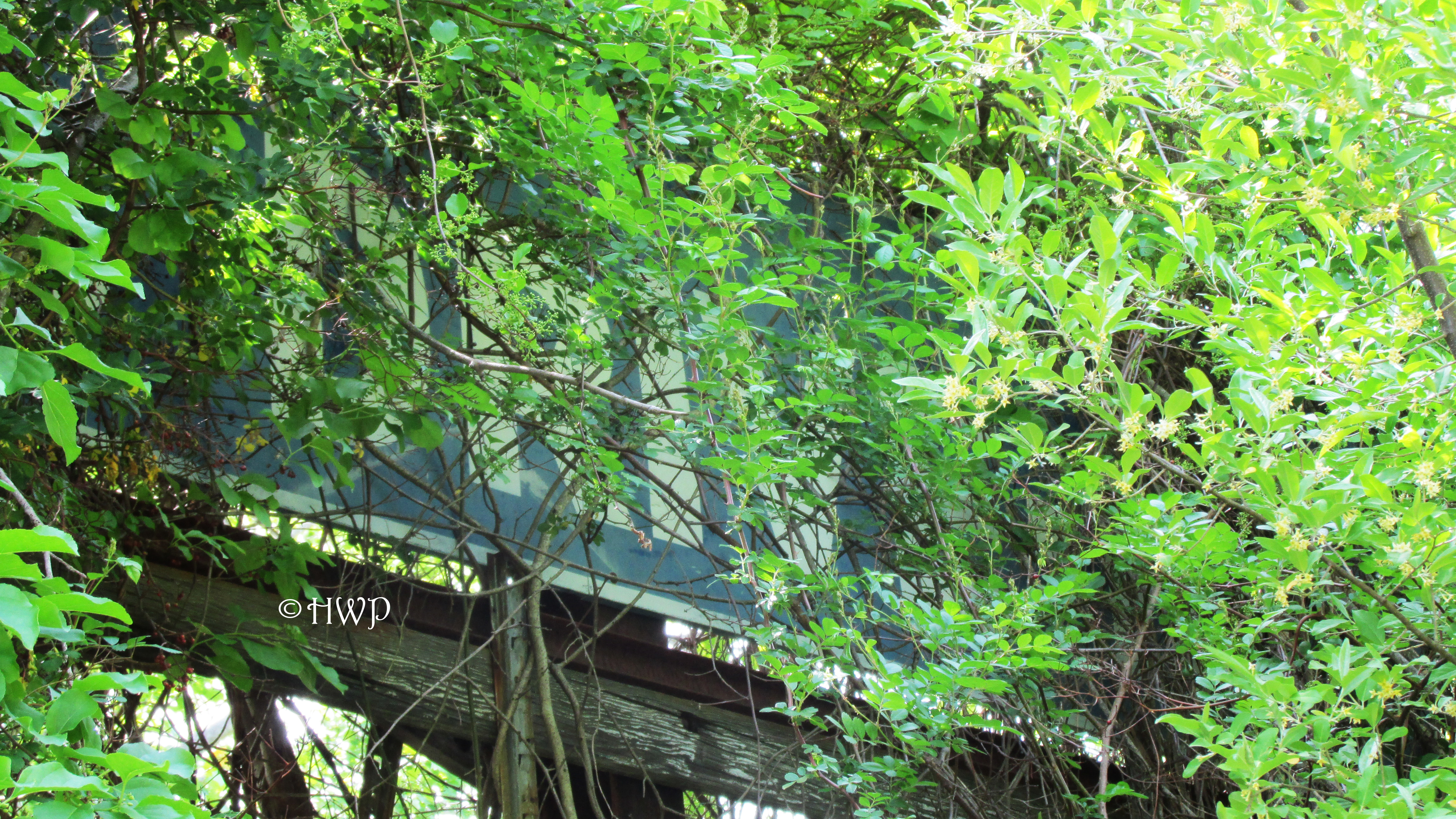
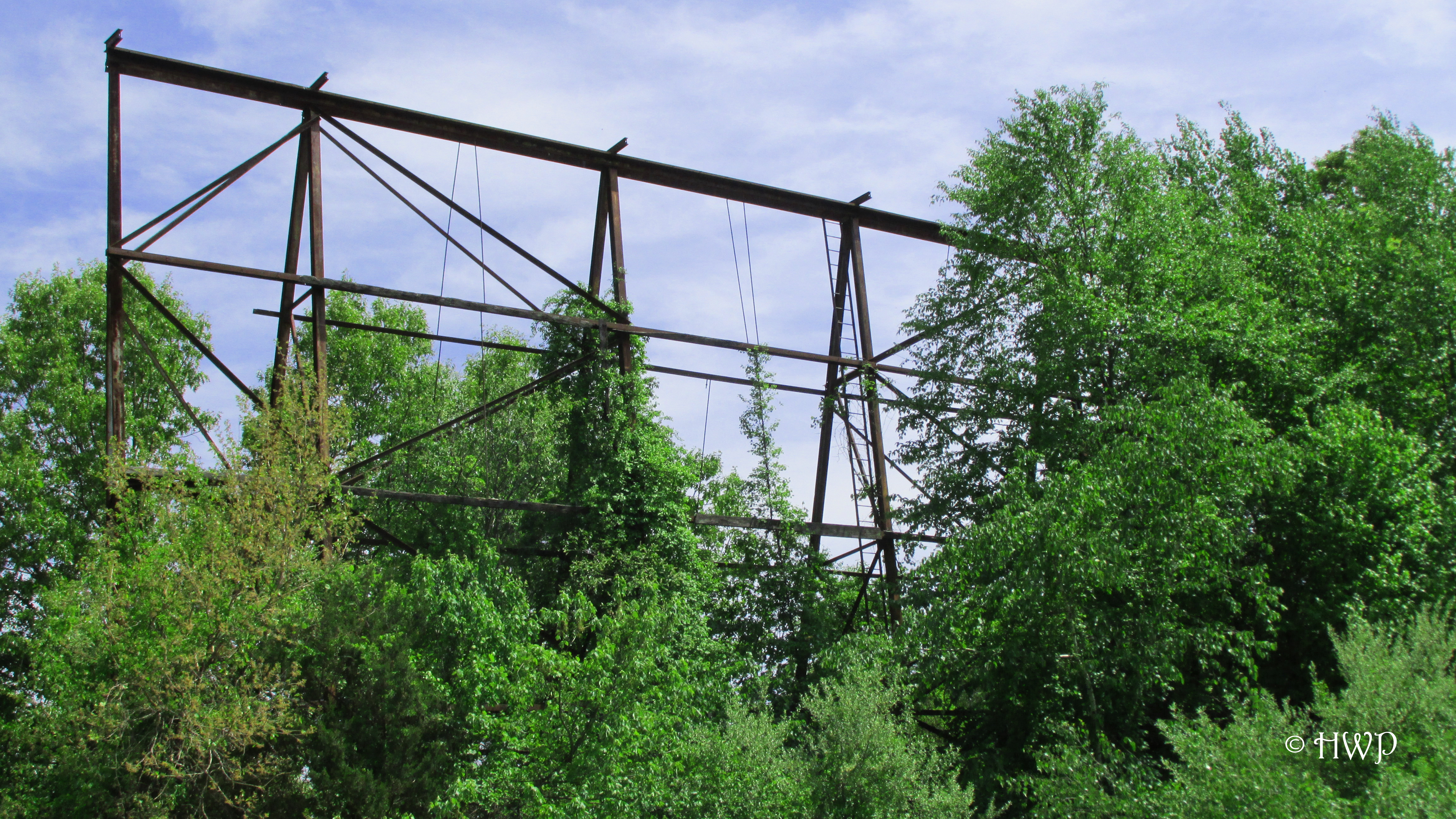
Unfortunately, the theater went out of business in the early 1980’s where it sat empty and abandoned for almost twenty years. It was finally purchased locally in 2006 to become a park along the Hop River in Bolton, Connecticut. Today, the former drive-in theater that once held over five hundred eager movie goers is now nothing more than a ruin. The pavement of the entrance way is cracked and crumbling. The old sign has become completely engulfed by wines and weeds. The lot itself has become completely impassable due to massive amounts of brush and vegetation. A few old speakers still stand along the outskirts. There is a pile of burned wreckage in the back that was once the theater’s concession stand. But most haunting of all, the one screen itself still stands. Though it is now a skeleton, it is hard to believe that this decrepit structure once played some of the most classic and timeless blockbusters of our time. It casts a shadow over its former glory. But if you look closely just enough, you can still see what this place was once like way back in the summer of 1962.

“Someone wants me. Someone roaming the streets, wants ME… Will you turn the corner?”

American Graffiti

 For more photographs please visit and like our Facebook page! Click HERE!

The Shores of Despair

New England’s Abandoned Coastal Buildings

Written by: Sean L

Photos by: Amanda H

Few natural forces of this planet have been as influential on mankind’s history as the sea. It is a place where many have gone in search of life, but some found only death. It is home to many different types of life. Mammals, birds, fish, reptiles all thrive off of the nourishment that the sea provides. Mankind is no exception. Throughout our existence, we have built our homes and constructed our civilizations around the life force of the ocean. From its waters, we have found food, water, recreation, inspiration, and even love. The hearts of empires, such as New York City, London, Tokyo, Rio de Janiero, have all thrived over centuries along the shores of the ocean. It provides us with life, but also fascination. But sadly, nothing lasts forever. Over the years, many of these empires have fallen to the sands of time. We have explored many abandoned coastal buildings over the years. Some were used for war, others were used for vacationing. Though these places have long since been left behind, they remain as haunting and as enchanting as the sea itself. Here are our favorite abandoned buildings along the New England coastline.

#1: Seaside Sanatorium, Waterford, Connecticut

While the state of Connecticut is home to several notorious abandoned medical facilities, Seaside Sanatorium is one of the more picturesque locations. The building itself was designed by the famous architect Cass Gilbert, the same man responsible for the famous US Supreme Court building in Washington DC and New Haven’s Union Station. The facility was opened during the early 1930’s, seeing a long and colorful history that lasted until 1996. Over the years it has served as a children’s hospital, a treatment center for the elderly, and a facility for the mentally handicapped. Sadly, the facility was home to several incidents of violent treatment of patients in the early 1990’s which would ultimately cause its demise. The grounds now sit abandoned, though they can be legally walked as a recreation area. The grounds come to life during the summer, as dozens of beachgoers flock to the shores. During the winter, it remains cold and lonely. Though the building is rather easy to get into, it is very unsafe and unstable inside. The grounds are also patrolled by a private security company around the clock. Note that you don’t have to get inside to truly appreciate the wonders of this forgotten place.

This slideshow requires JavaScript.

#2: Fort Mansfield, Westerly, Rhode Island

The ruins of Fort Mansfield are located at the very edge of Napatree Point in village of Watch Hill. The United States military first purchased the property in 1898, as part of a new program to install artillery batteries all along the coast of New England. The fort was officially commissioned in 1902. However, during the war games of the early 1900’s, a fatal flaw was discovered in the fort’s design. The guns of the fort would be unable to repel a head-on assault from the sea, and it would be an easy target for an amphibious assault. Thus, the fort was decommissioned from active status in 1909. Over the years, the garrison of the fortress slowly dwindled as the military lost all interest and faith in it. The land was finally sold back to the town of Westerly in 1928. The fortress has remained abandoned ever since. The few buildings that once housed soldiers and equipment were demolished years ago. But the concrete structure of the fort still stands, lost amongst the vegetation of Napatree Point. During the summer, this area is a bird sanctuary. It is relatively quiet throughout the other seasons. The fortress is completely legal to visit, if you can find it.

This slideshow requires JavaScript.

#3: Bates Motel, Truro, Massachusetts

Between the luxurious hotels and extravagant summer homes of Cape Cod lies a place that would make even Psycho creator and horror master Alfred Hitchcock himself uneasy. To this day, we have found very little information at all on the Bates Motel. We cannot even be positive if that is its real name. It does in fact bear a striking resemblance to the fabled motel of the film Psycho and its contemporary series Bates Motel. From what we have gathered, the motel has been abandoned for at least twenty years after an alleged family legal dispute. It has been the sight of many alleged hauntings, and it is smack dab in the middle of a very rich neighborhood. What we can tell you is that Bates Motel is located in the small town of Truro, Massachusetts. It is the second to last town on the furthest corner of Cape Cod, just slightly south of the beloved and lively Provincetown. The motel is privately owned, and NO TRESPASSING signs are clearly visible. All of the rooms are padlocked. Visit at your own risk. It may not have any connection with the movie legend, but the real Bates Motel is definitely just as creepy.

This slideshow requires JavaScript.

#4: Fort Wetherill, Jamestown, Rhode Island

Located in the town of Jamestown, Rhode Island, Fort Wetherill is a mere stone’s throw away from the neighboring town of Newport. The history of the site dates back to the early 18th century. To protect the Narragansett Bay area, Fort Dumpling was built by British forces. After the expulsion, Fort Wetherill was constructed in its place by the American military a mere hundred years later in 1899. As a protector for the wealthy city of the New England mainland, Fort Wetherill proved to be very active during both World Wars as an artillery placement and troop station. Another primary task of the fort was to oversee the minefields erected during World War II. When the conflict ended, Fort Wetherill was decommissioned in 1946. It was then left abandoned for many years. Fortunately, the grounds were reacquired by the State of Rhode Island in the year of 1972. Due to its large granite cliffs and excellent view of the ocean, the grounds were commissioned as a state park. It is currently enjoyed today by many for sailing, fishing, and other water sports. The fortress, however, still stands, and is completely legal to visit. Sadly, it is also heavily enjoyed by the local teenagers for partying, vandalism, and destruction.

This slideshow requires JavaScript.

Fortress of Solitude – The Abandoned Fort Mansfield

Posted: March 19, 2015 by Hidden Wonders Photography in #postaday, Abandoned, Abandoned Attractions, Abandoned Forts, abandoned military bases, abandoned new england, Abandoned Rhode Island, Abandoned USA, Abandoned Wonders, Beaches, Bird Watching, Birds, Broken, Closed, darkness, Destruction, Exploration, exploring the abandoned, Forgotten, forgotten beauty, Fort Wetherill, Fortress, Forts, Ghosts, Graveyard, Haunting, Hiking, History, Information, left behind, lost, Military, Military Forts, Mystery, Napatree Point, nature, new england, nightmares, Ocean, Ocean View, overgrown, photography, Public Parks, research, Rhode Island, Ruins, Safety First, Searching, seaside, Stories, time, Uncategorized, Urban Decay, Urban Exploration, Urban Exploring, Urbex, writing, WWII
Tags: , , , , , , , , , , , , , , , , , , , , , , , , , , , , , , , , , , , , , , , , , , , , , , , , , , , , ,

Fortress of Solitude

The Abandoned Fort Mansfield

Written by: Sean L.

Photographs by: Amanda H.

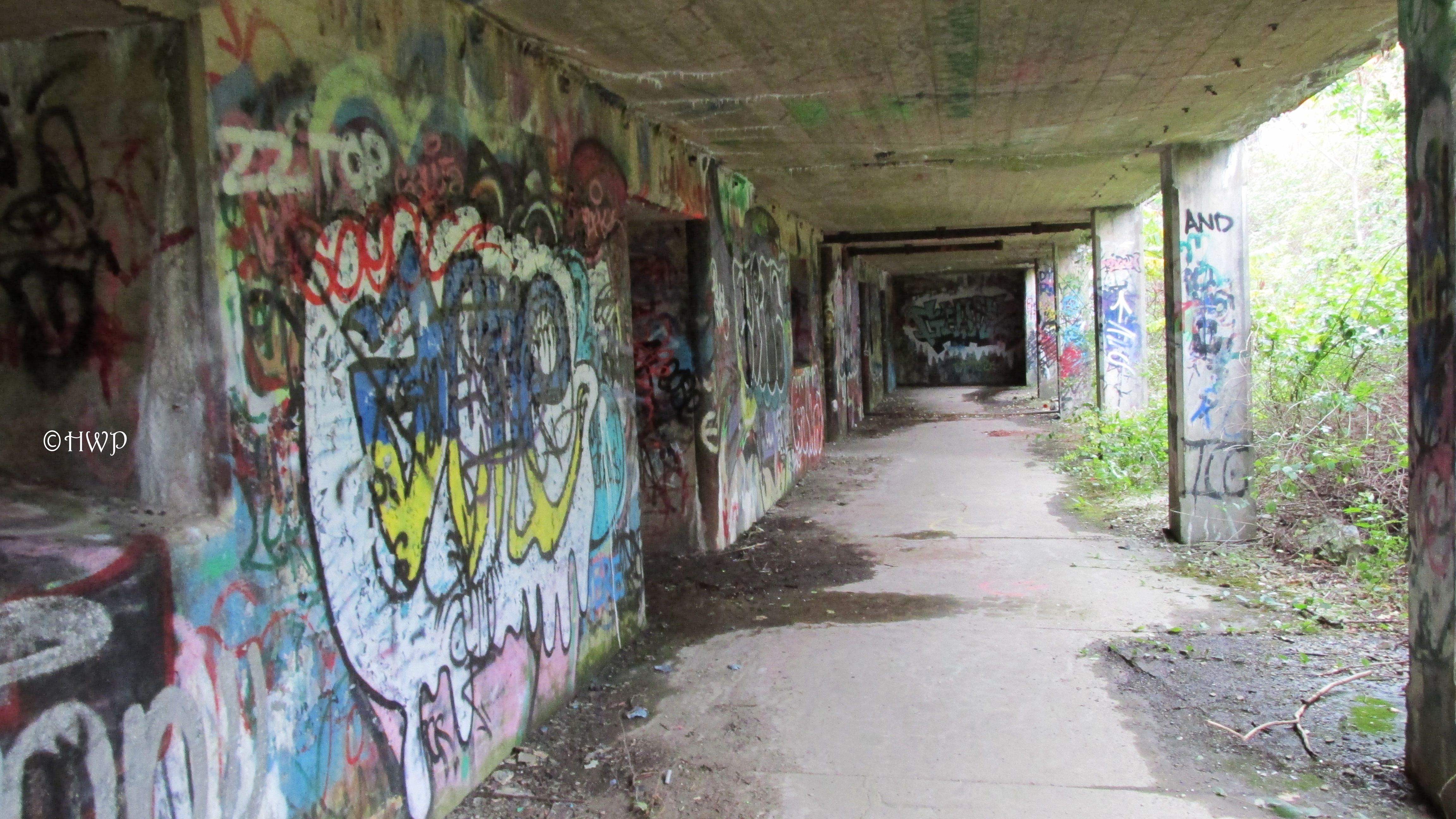
   The waves of the ocean crash up against the sandy shore. Fierce gusts of wind shriek through the tall sea grass. Packs of white gulls soar overhead, cackling and cawing to each other. The sun shines powerful and radiant in the sky. The deep Atlantic water is an enchanting shade of bright blue. This is Napatree Point, Rhode Island. And somewhere, lost in the vegetation of this place, lays an abandoned military fortress. The ramparts crumble as they slowly succumb to the barrage of time. Dark and empty corridors are haunted by the ghosts of the past. What once served as the first defense of the American homeland now lies in total silence. This is Fort Mansfield, forgotten by some and a legend to others. Unlike one of the other famous abandoned military forts in Rhode Island, Fort Wetherill (see our write-up here), this former coastal artillery instillation has been all but lost to the white sands of Napatree Point. Located in the village of Watch Hill, Fort Mansfield was one of our most difficult treks, but also one of our most rewarding discoveries.

Fort Mansfield has called Napatree Point home since its creation in the early twentieth century. The point is a small piece of land branching out from the town of Watch Hill. The United States military first purchased the property in 1898, as part of a new program to install artillery batteries all along the coast of New England. Though it may not have as rich of a history as Fort Wetherill, Mansfield does have a much sadder story than its legendary cousin. The fort was officially commissioned in 1902. However, during the war games of the early 1900’s, a fatal flaw was discovered in the fort’s design. The guns of the fort would be unable to repel a head-on assault from the sea, and it would be an easy target for an amphibious assault. Thus, the fort was decommissioned from active status in 1909. Over the years, the garrison of the fortress slowly dwindled as the military lost all interest and faith in it. The land was finally sold back to the town of Watch Hill in 1928. The fortress has remained abandoned ever since.

Having heard whispers of Fort Mansfield in the past without ever finding much information about it, we decided to go searching for it during the fall of 2014. As a burrow of the town of Westerly, Watch Hill is quite the summer hotspot, but it goes quiet during the offseason. Napatree Point is perfectly legal to walk, except for the handful of beachside bungalows at the very beginning. There is a nice little parking lot that is free to park at right in the middle of downtown Watch Hill. After parking, we began our walk down the point. There is beach on either side of the point, with thick vegetation in the middle. This is also a bird sanctuary during the summer nesting season. It is roughly a little over a mile to the very tip of the point. It is also fiercely windy due to the proximity to the ocean. The early stages of the point are decently trafficked by beachgoers, but the end of the point is deserted. After a long time combing through the point’s thick grass, we finally came upon the abandoned fortress.

This slideshow requires JavaScript.

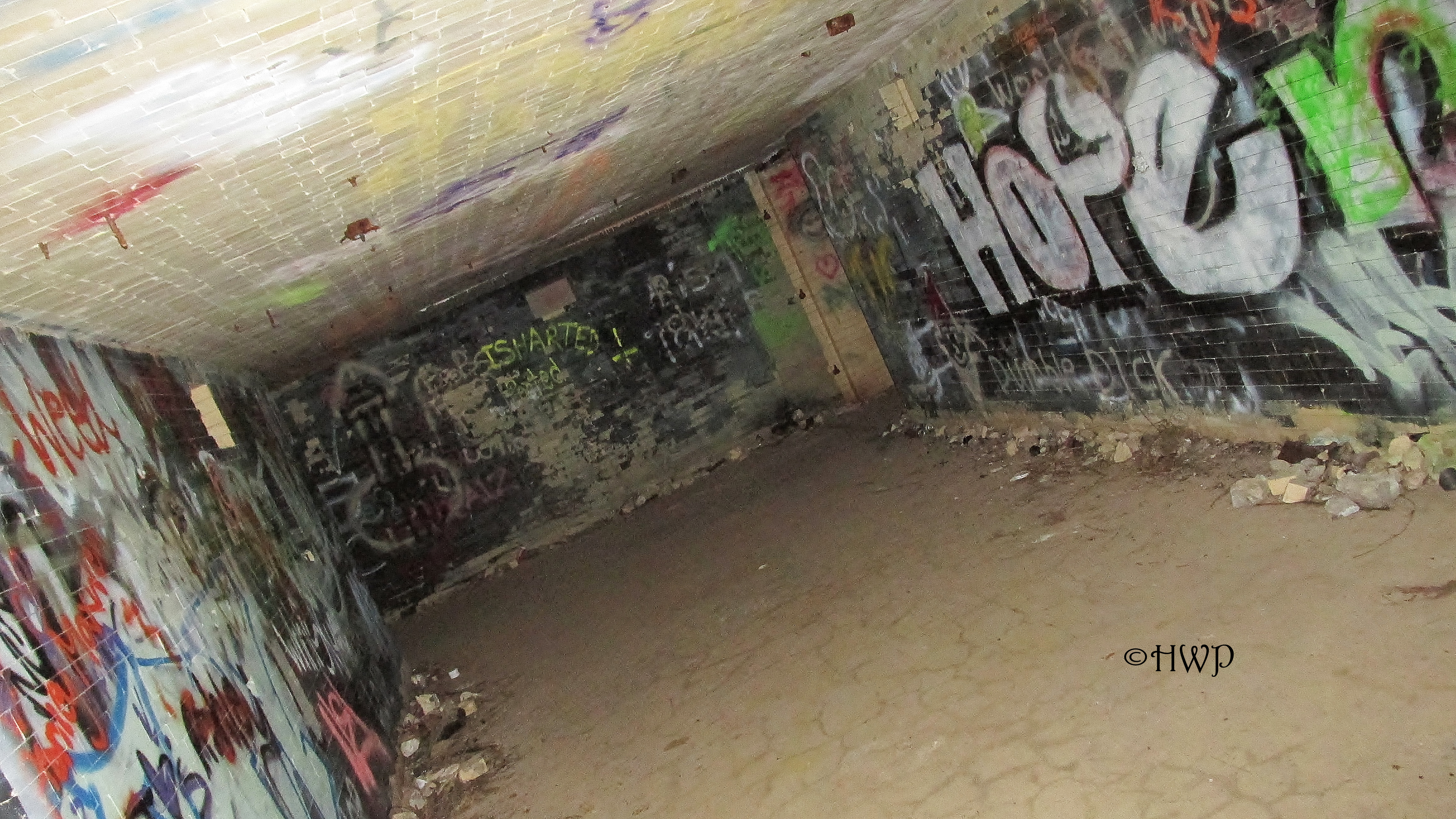
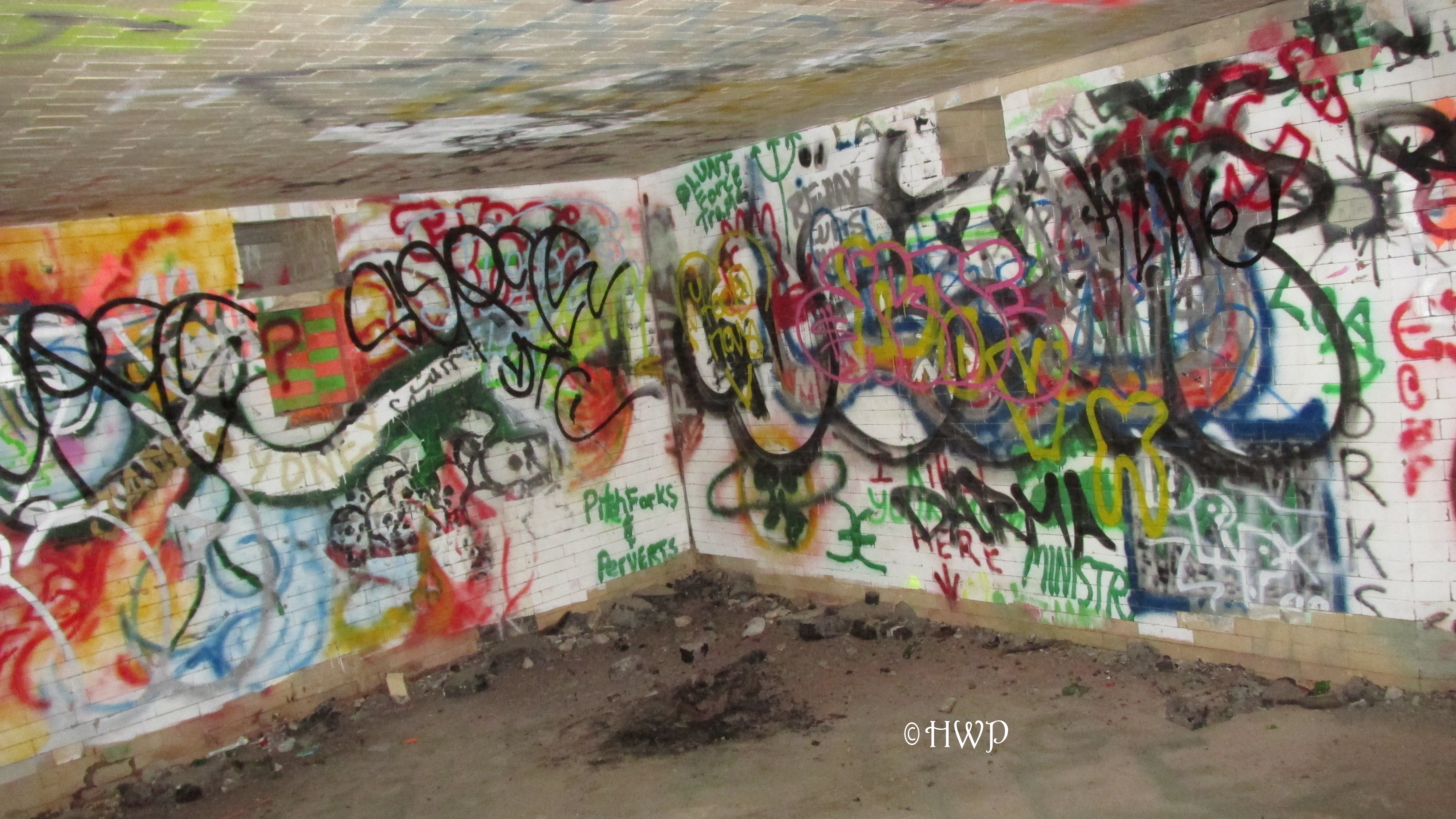
The fortress is comprised of two sections: one part contains the first two artillery instillations and the second section is a brief walk away containing the third instillation. There were once a few buildings here, but they have long since been demolished. The first section is a pretty good size. Though it is not as covered in graffiti as Fort Wetherill, Fort Mansfield is still pretty vandalized. Lots of tagging covers the walls, and there is plenty of liter down in the lower tunnels. The local fire department had put up some fencing around the outer walls of the fort to prevent visitors from getting in, but they are quite easily bypassed via a few still functioning ladders and former staircases. Several metal slabs have also been placed over certain points. Except for the blistering gusts of wind, this place is completely silent. There are several entrance points down to the lower levels. Since the front walls have been knocked out, there is a decent amount of light down here. The floor is also completely flooded in certain rooms from years of rain and high tides.

This slideshow requires JavaScript.

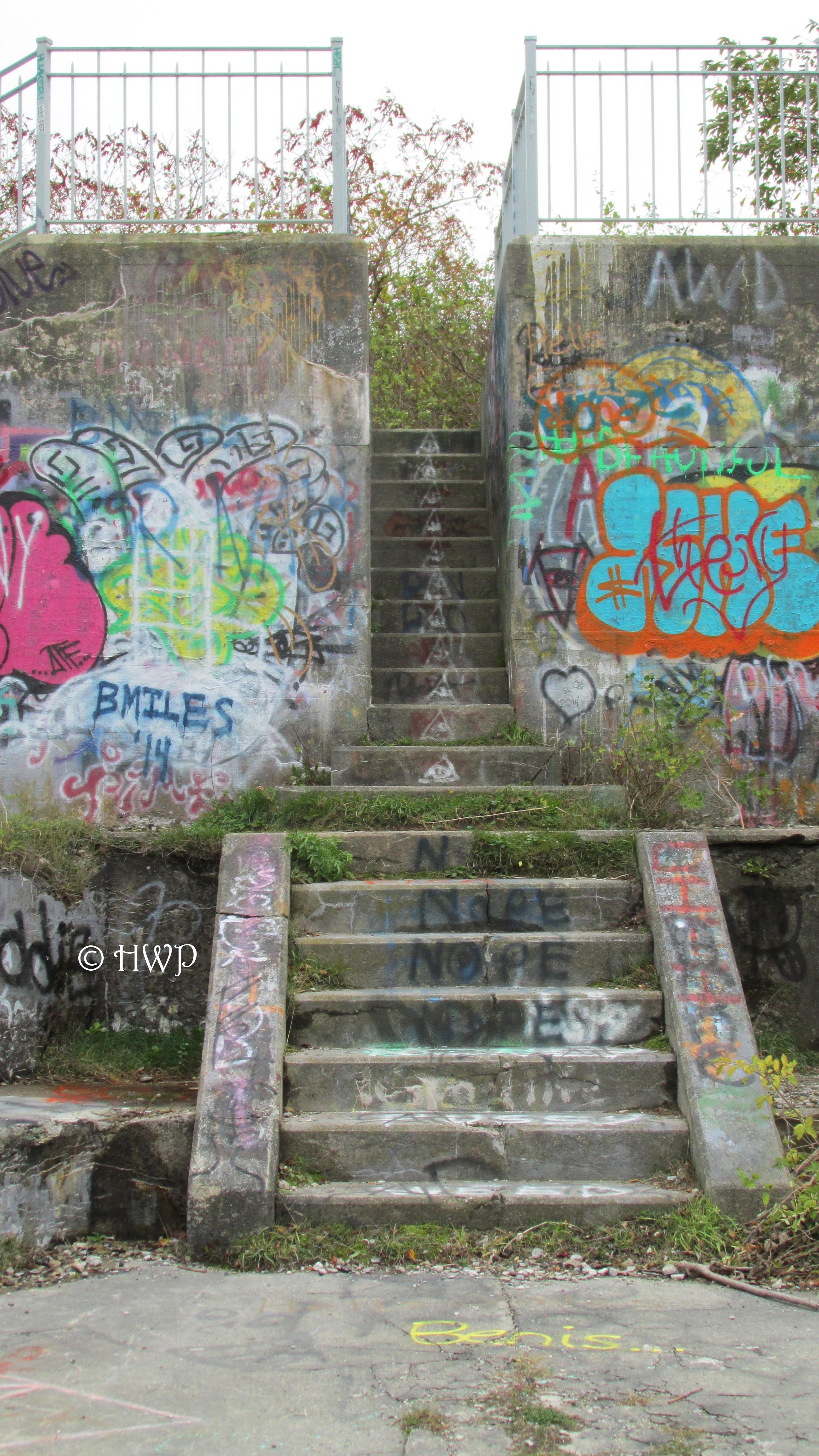
The second section of the fort is a brief walk down an overgrown path. It sits on the very edge of Napatree Point, giving an excellent view of the Rhode Island coastline. It is much smaller than the first section of the fort, and is much more difficult to see. Tall sea grass and vegetation keep it very well hidden. The graffiti here is actually much more light hearted than the first section. At the very top of the fort, there are a couple of small staircases leading up to what must have once been look out posts. They provide excellent cover from the merciless wind. Unlike the first section, there are no barricades or fences to deter visitors here. Down to the lower levels, there are several large empty rooms. They are in complete darkness, yet they are completely empty save for the trash of vandals. Someone, or something, is most definitely living here. While exploring the dark passages of the lower levels, we heard something moving around in the tunnels. We didn’t stick around to find out what it was.

This slideshow requires JavaScript.

Though it is a bit of a trek and can be difficult to find if you don’t know where to look, Fort Mansfield is definitely worth a visit. Unlike the legendary Fort Wetherill, this abandoned base is not home for teenage destruction and vandalism. Because of its remote location, the fort is only enjoyed by those who are willing to make the journey. The fierce winds and the hot sand make it a tough trek, but the fort is more than worth it. While the coastal town around it continues to grow and flourish, Fort Mansfield continues to stray out of thought and time. It is the ruins of a fortress that never got to be. Its run as a coastal artillery unit was cut tragically short by a fatal flaw. Now the land weeps, haunted by a purpose that it never got to fulfill. It is truly a fortress of solitude; quiet and alone, but still standing guard over its former territory.

View on the walk back

The Other Side of the Tracks — The Abandoned Cedar Hill Rail Yard

Posted: January 12, 2015 by Hidden Wonders Photography in #postaday, Abandoned, Abandoned Attractions, Abandoned Business, Abandoned Connecticut, abandoned new england, Abandoned Railway, Abandoned Stores, Abandoned train station, Abandoned USA, Abandoned Wonders, Birds, Broken, Cedar Hill, Closed, commercial, Connecticut, darkness, Death, Destruction, empty, Exploration, exploring the abandoned, fire, for sale, Forgotten, forgotten beauty, Ghosts, Graveyard, Haunting, Hiking, History, Homeless, House, Information, left behind, lost, Movies, Mystery, nature, new england, New Haven, nightmares, overgrown, photography, Public Parks, research, Ruins, Safety First, Searching, State Parks, Stories, The Walking Dead, time, Uncategorized, Urban Decay, Urban Exploration, Urban Exploring, Urbex, Walking Dead, writing, WWII
Tags: , , , , , , , , , , , , , , , , , , , , , , , , , , , , , , , , , , , , , , , , , , , , , , , , , , , , , , , , , , ,

The Other Side of the Tracks

The Abandoned Cedar Hill Rail Yard

Written by: Wilk

Photographs by: Lassie

A lot of strange things can happen to a place when it is abandoned. Where man once dwelled, nature begins to take back. Structures slowly crumble under the weight of time. But worst of all, the deserted manner of these places tends to attract a lot of lawlessness and delinquency. No such place we have ever visited exemplified these characteristics more so than Cedar Hill. This forgotten rail yard has become its own little world, a place where nightmares come to life. There are things here and a presence in the air that Amanda’s pictures can show a Hell of a lot better than my words ever could. You must see Cedar Hill in order to believe it. Though it is not too far from civilization, you will find anything but in this place that the world forgot about a long time ago.

Located in the busy town of North Haven, Connecticut, Cedar Hill was once one of the largest and most active rail depots in all of New England. Not too far from the coast of Long Island Sound, Cedar Hill was once a part of the flourishing network of railways that run all along the east coast. The yard was built along the Quinnipiac River and surrounding marshlands. It was originally built in the early 1920’s to help support the New Haven area’s quickly flourishing railway industry. As transportation methods began to advance and World War II came to close, the Cedar Hill rail yard began to grow quiet. Within a few years, the facility was all but abandoned. We could not find an exact year of closure or exact reason. A newer and much more modern rail yard now stands right beside the old grounds.

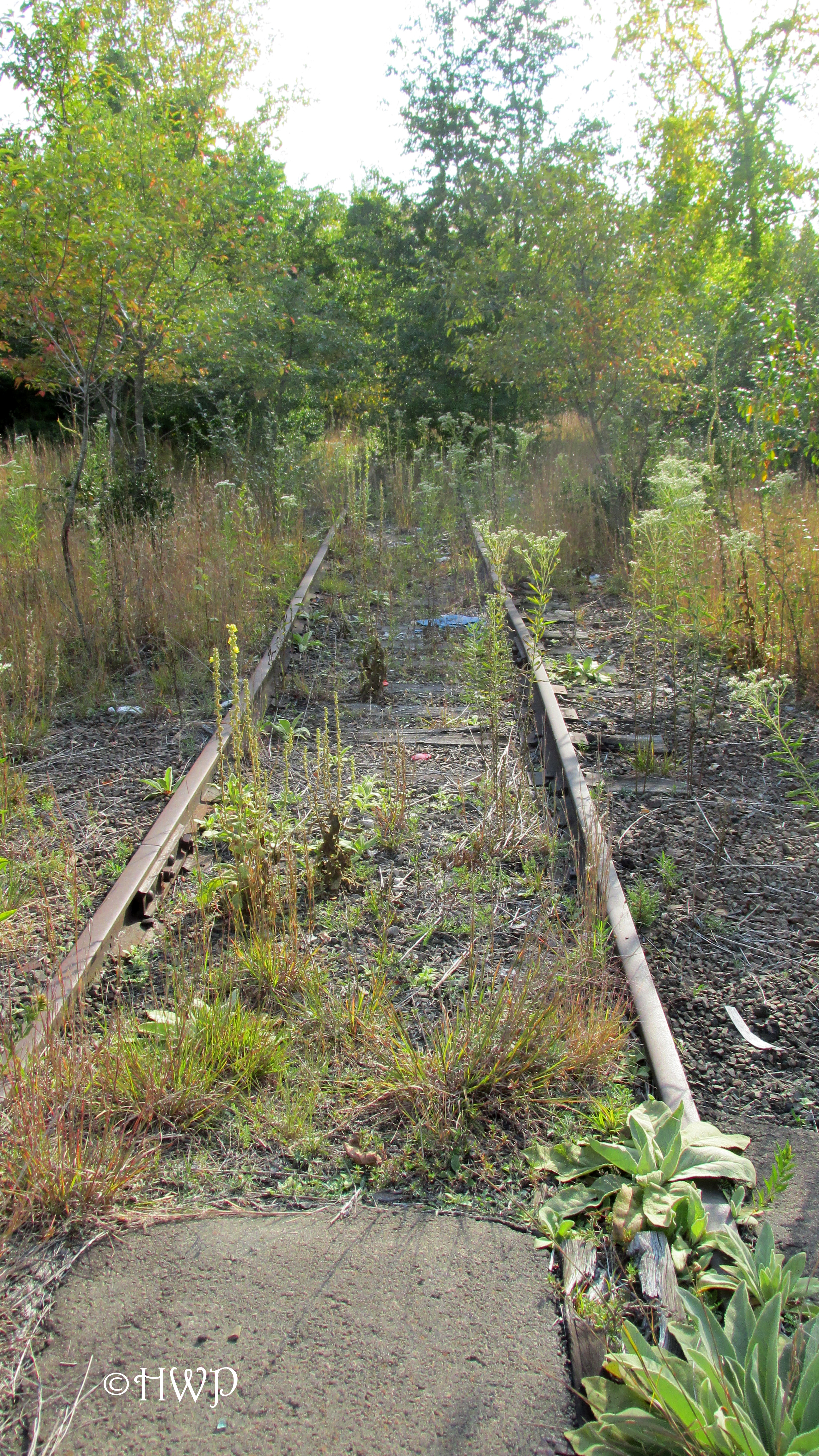
Our trip to Cedar Hill was on a humid summer day and took us down the infamously busy I-91. From the highway, you can still see several parts of the rail yard. Most notably visible are the old towers, though they are now wrapped in thick vines and vegetation. Cedar Hill is hard to find, and for good reason. It can only be accessed through the back parking lot of one of the neighboring department stores. Curiously, there was a large sign out front saying that the property was for sale. We eventually found the trail that took us along the banks of the Quinnipiac River, until we reached the old tracks. They are heavily rusted and overgrown, but these tracks are the lifeline of the facility. We followed them further into the yard, and used them as a focus point in case we got lost.

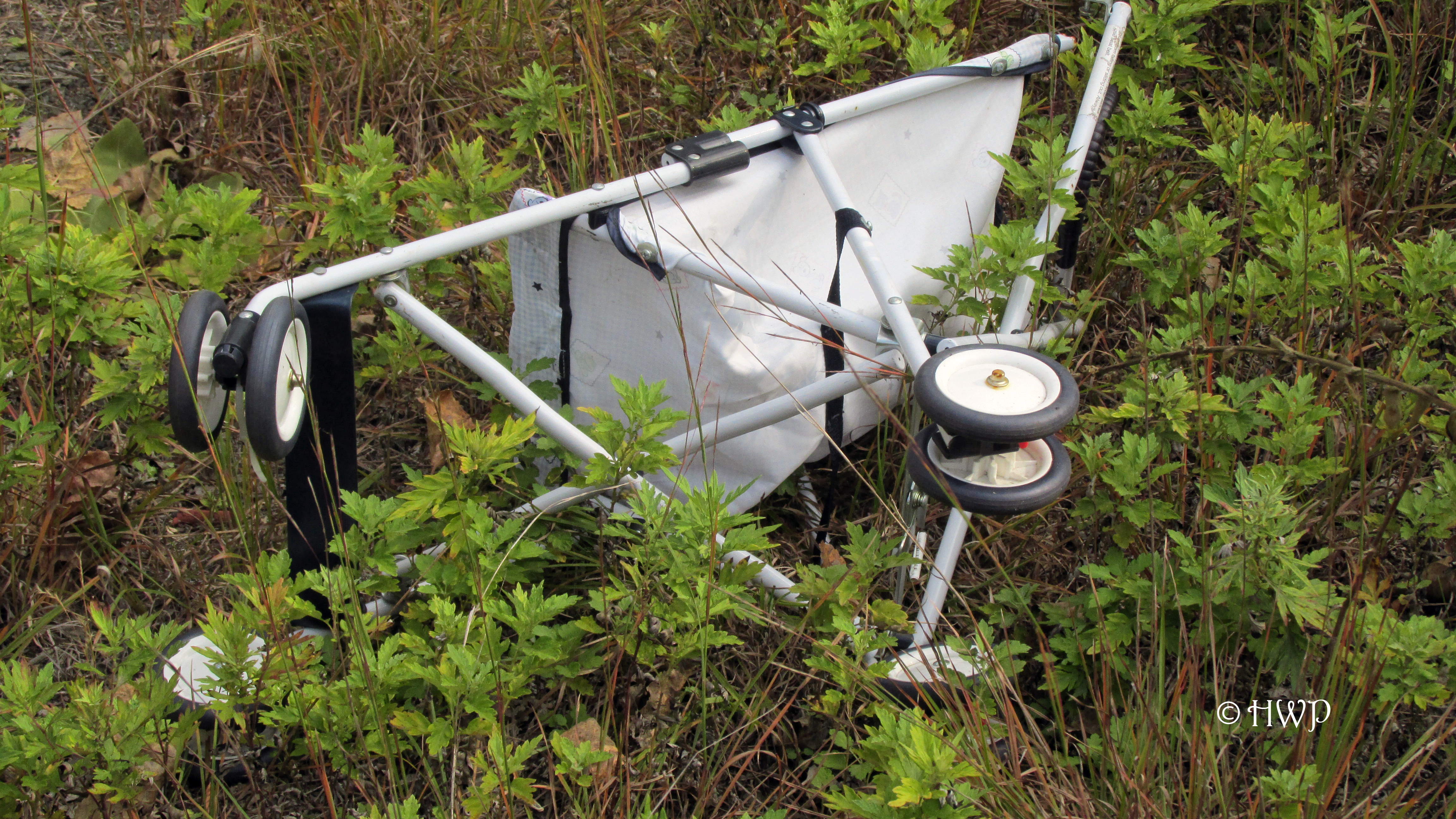
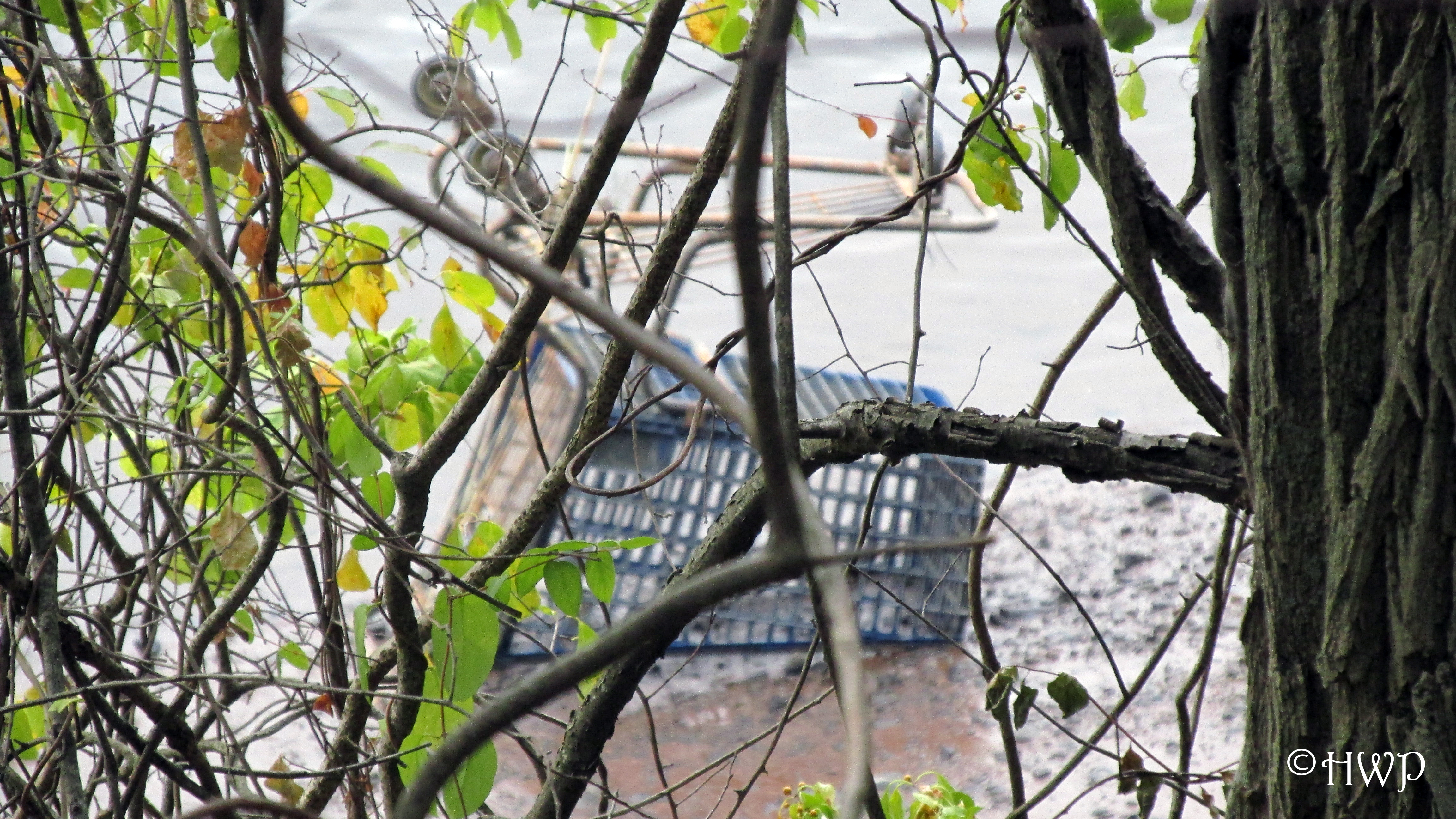
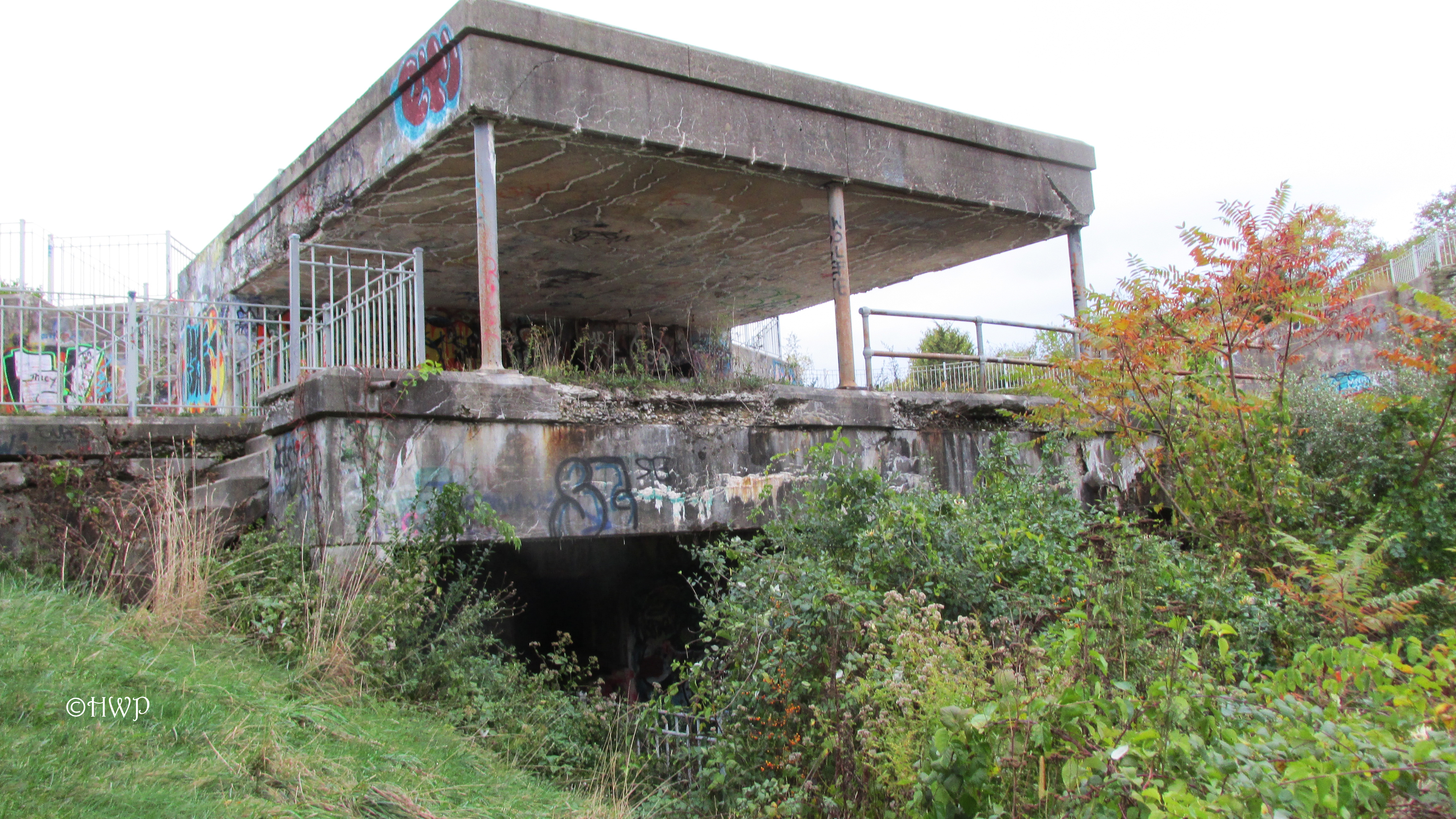
Our first stop off the tracks led us into a clearing. More tracks led us farther into the yard, where we found a tipped over and dirtied baby carriage along with lots of other litter. Along the fences of the neighboring active rail yard are the abandoned terminals/storage facilities. Though the windows had all been smashed, the door leading into one of the buildings was still in one piece. Inside, these buildings are completely shot out. There were still a few protective fences. The walls and floors were cement. The roof had even caved in big time in one section. Strange little bunkers had been set up all over the floor. Apparently, local kids have been using the inside of this building as a paintball course. Pink paintball splatters were scattered across the walls and floor. Several other buildings were just like this.

Farther down the tracks, we found just a large clearing covered in debris. All kinds of trash littered the ground in this one spot. We also found a few smaller buildings directly beside the tracks. They seemed to be power sheds of some kind, as they were all connected with the old power lines. We also found an old warehouse towards the back of the facility. There was yet another makeshift paintball course outside of the building. In close proximity to the warehouse is the old power station, with a lot of rusting equipment and barely legible warning signs still standing. Throughout the facility, there are multiple towers overlooking the surrounding areas. The ladders leading the top of these towers have all been cut short so nobody can safely climb them. There is also a lot of wild vegetation growing all over the towers.

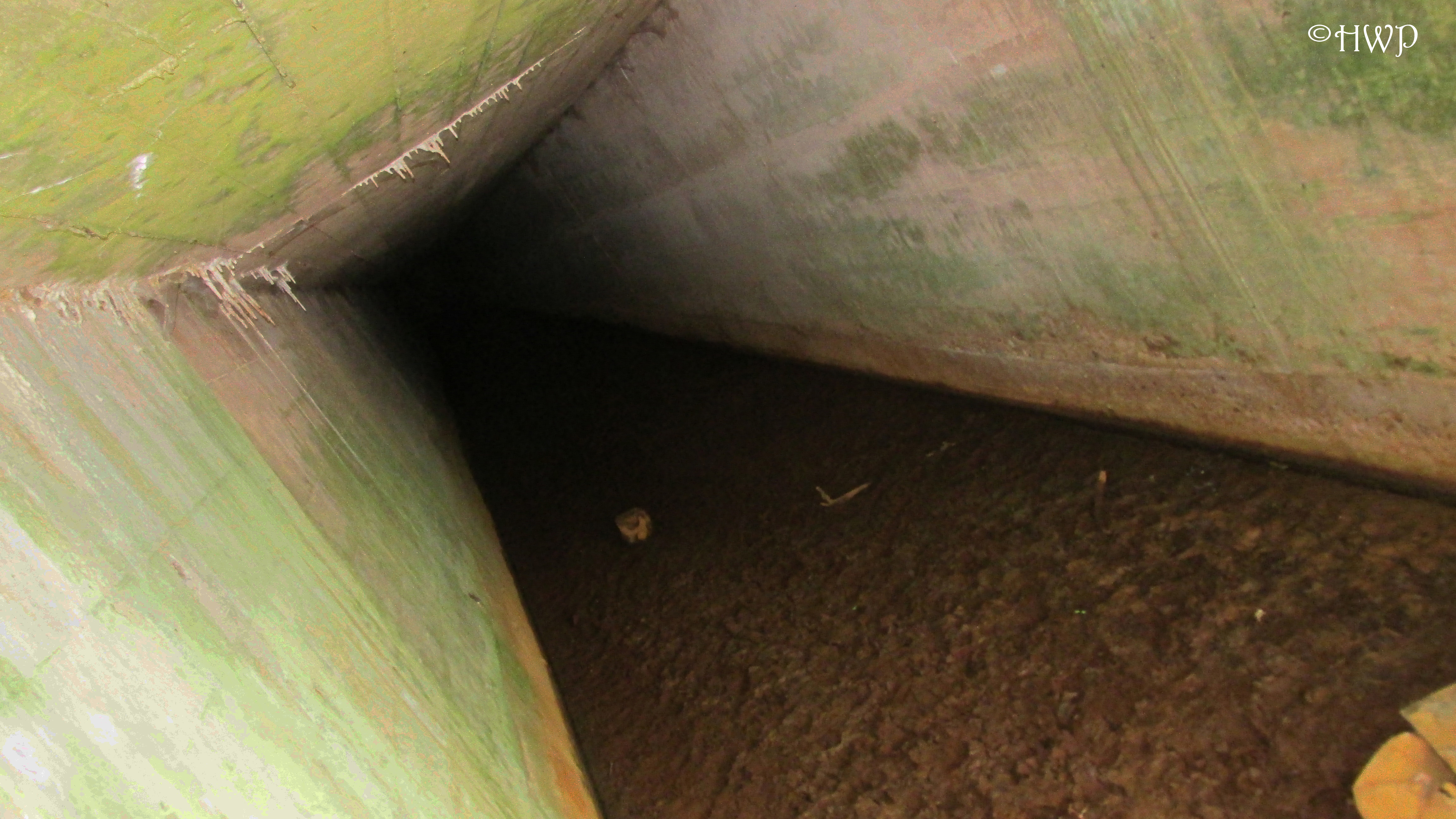
The most unsettling thing about Cedar Hill was the evidence we found of people still living here. Scattered amongst different spots in the facility, we found large animal skeletons and skulls. We even found a deer’s freshly severed leg at one point. Due to its proximity to the nearby marshes, this could simply be a large predator. However, we also found several fire pits nearby with old cooking equipment, pots, and pans. The creepiest part of our investigation was what we found in the tunnels. Right beside the banks of the river in a large open tunnel, leading deep underground with no end in sight. Not only did we hear voices coming from inside the tunnel, we even captured on camera what appear to be the figures of two people deep in the tunnels. We had heard rumors of homeless people living back here, clearly they were true. We chose to stay out of the tunnels.

We went into this investigation expecting to find an abandoned rail yard. What we found was much more than that. We found a world all on its own. In the absence of civilization, nature rules. The strongest survive. The weak get taken. There are no rules in places like Cedar Hill. We left this place with a very uneasy feeling, and for the first time ever, we would not recommend anyone reading this to ever visit this place. It is very dangerous, with darkness lurking around every corner. It is a place out of a nightmare, as if an episode of The Walking Dead had come to life. Trash and broken hunks of metal are scattered about. It is almost completely silent at all times. Human beings live in deplorable conditions. Innocence has been lost. And you can never quite shake the feeling that you’re being watched when you cross over, to the other side of the tracks.

The Devil’s Playground — The Abandoned Fort Wetherill

Posted: January 6, 2015 by Hidden Wonders Photography in #postaday, Abandoned, Abandoned Forts, abandoned military bases, abandoned new england, Abandoned Rhode Island, Abandoned USA, Abandoned Wonders, Beaches, Bird Watching, Birds, Broken, darkness, Destruction, Exploration, exploring the abandoned, Forgotten, forgotten beauty, Fort Wetherill, Fortress, Forts, Graveyard, Hiking, History, Information, left behind, lost, Military, Military Forts, Mystery, nature, new england, nightmares, Ocean, Ocean View, overgrown, photography, Public Parks, research, Rhode Island, Ruins, Safety First, Searching, seaside, State Parks, Stories, Terminus, The Walking Dead, Urban Decay, Urban Exploration, Urban Exploring, Urbex, Walking Dead, writing, WWII
Tags: , , , , , , , , , , , , , , , , , , , , , , , , , , , , , , , , , , , , , , , , , , , , , , , , , , , , , , , , , , , ,

The Devil’s Playground

The Abandoned Fort Wetherill

Written by: Wilk

Photographs by: Lassie

While our home state of Connecticut is known amongst the urban explorer community for its many abandoned hospitals and insane asylums, the neighboring state of Rhode Island is known for something different. Due to its coastal proximity and value, the Ocean State is home to several abandoned seaside fortresses. Most of these forts date back to the early colonial days of America, with British, French, and Colonial forces occupying them at one time or another throughout the pages of history. Sadly, over the years the uses for these coastal protectors has dwindled. Many of the former forts and artillery batteries are now abandoned. Now, with no watchmen watching over these former watchtowers, they have become plagued by vandals, graffiti artists, and delinquents. It is these lawless individuals have made these places into their very own playground for destruction.

Perhaps the most well-known of these former coastal protectors is Fort Wetherill. Located in the town of Jamestown, Rhode Island, Fort Wetherill is a mere stone’s throw away from the neighboring town of Newport. The history of the site dates back to the early 18th century. To protect the Narragansett Bay area, Fort Dumpling was built by British forces. After the expulsion, Fort Wetherill was constructed in its place by the American military a mere hundred years later in 1899. As a protector for the wealthy city of Newport and the New England mainland, Fort Wetherill proved to be very active during both World Wars as an artillery placement and troop station. Another primary task of the fort was to oversee the minefields erected during World War II. But following the “War to end all Wars,” Fort Wetherill was decommissioned in 1946. It was then left abandoned for many years.

Fortunately, the grounds were reacquired by the State of Rhode Island in the year of 1972. Due to its large granite cliffs and excellent view of the ocean, the grounds were commissioned as a state park. It is currently enjoyed today by many for sailing, fishing, and other water sports. The fortress, however, still stands. The state did just enough to make the grounds not dangerous, by removing all hazardous materials and sealing off the upper and lower tunnel networks. By not demolishing the fort, the state left it at the mercy of the elements and the more destructive visitors the park. The tunnels are now filled with trash. The walls are coated with graffiti. And instead of soldiers, the fortress is garrisoned only by drunken teenagers. We decided to visit this former fort on a gloomy fall day.

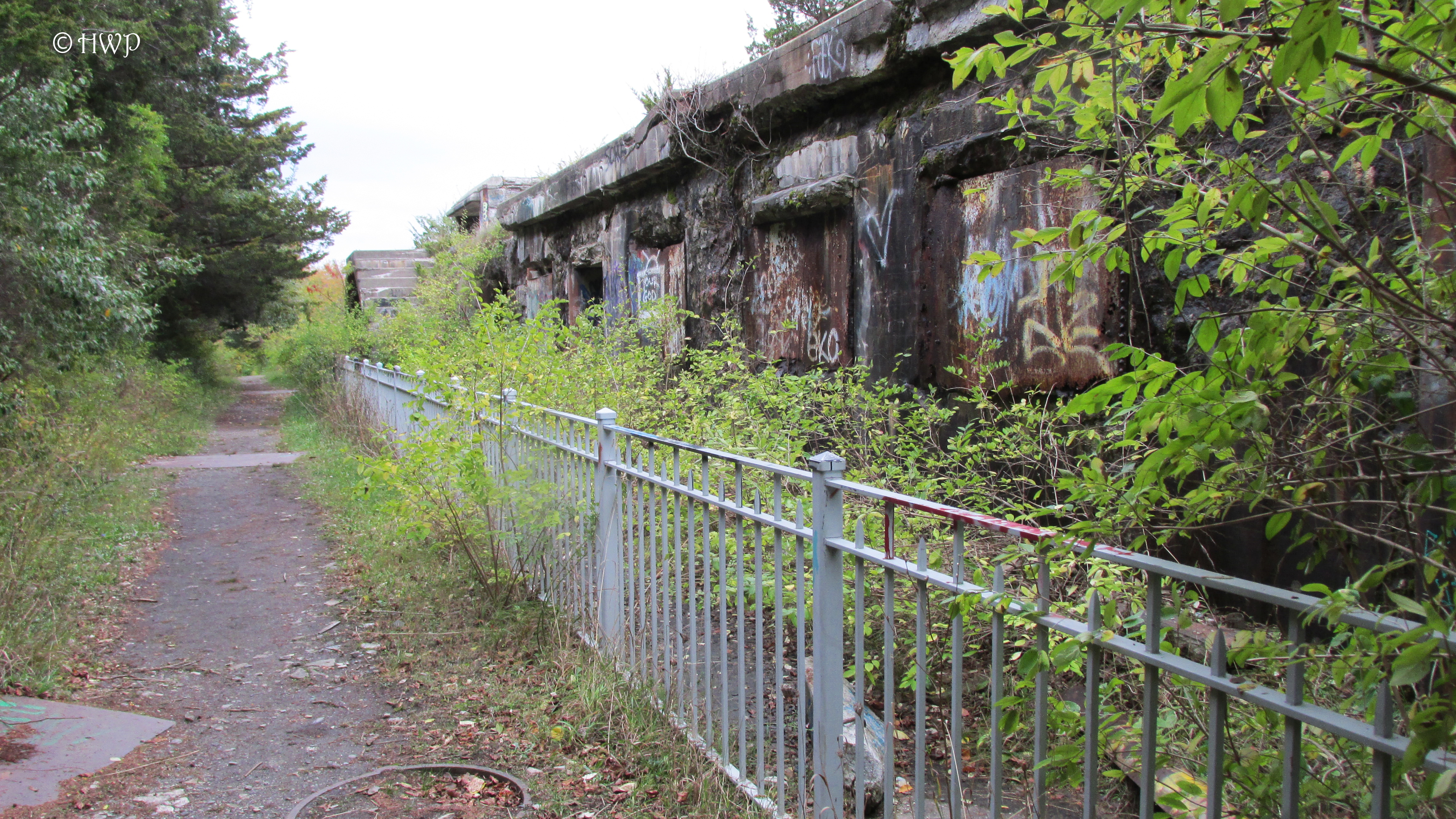
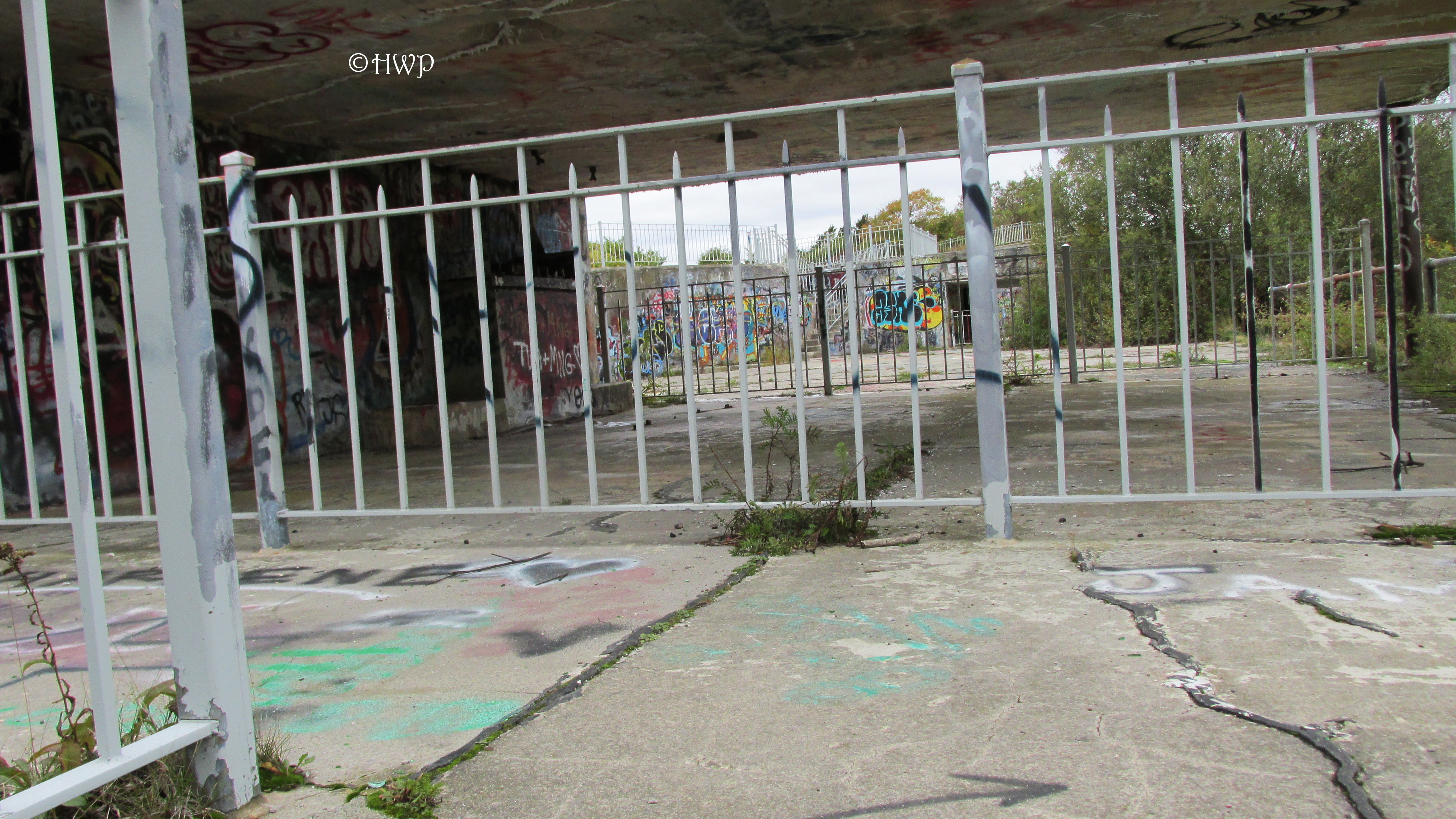
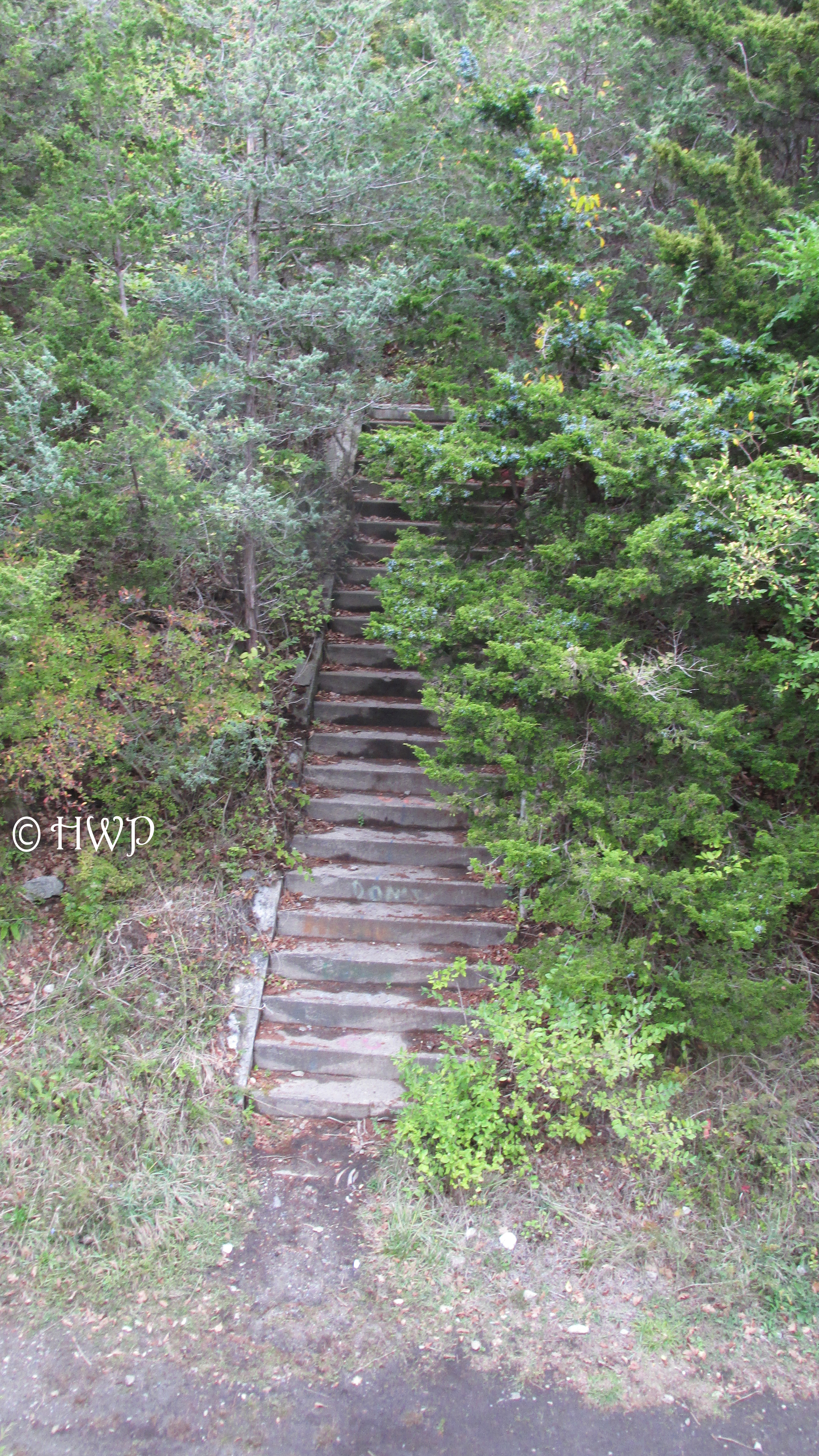
Finding Fort Wetherill is easy. Due to its status as a national park, all you have to do is google it. There is a nice little parking lot at the front of the park. They even have onsite bathrooms. Apparently the park is also very popular for dog walkers, as we saw plenty. The fort is a short walk from the parking lot. Through the thick vegetation blocks it from view at some points, its large multicolored hull eventually looms out through the trees. It is truly a site to see. There are hardly any spots left on the fort that have not been covered with some sort of graffiti. Coming down the path initially, you are launched right into the main courtyard.  There is a small staircase leading off toward the ocean, and on either side are the old watchtowers and tunnel networks.

There are old fences scattered all over the fort, not that they can do much good. They are quite easy to hop right over. Following the old fence from the courtyard, we traveled along the fort’s outer wall. Though it may look small from the initial approach, Fort Wetherill is anything but. Most it, however, is hidden from sight by the wild trees and vegetation. At the farthest point, we found a small watchtower with an excellent view of the Narragansett Bay. Each section of the fort has their own tunnels. None of them are connected. When walking down them into the darkness, each one will have a large open room and then exit out a different way. Some even have little barred windows overlooking the outside. The inside of each tunnel is coated wall to wall with graffiti, and trash is everywhere.

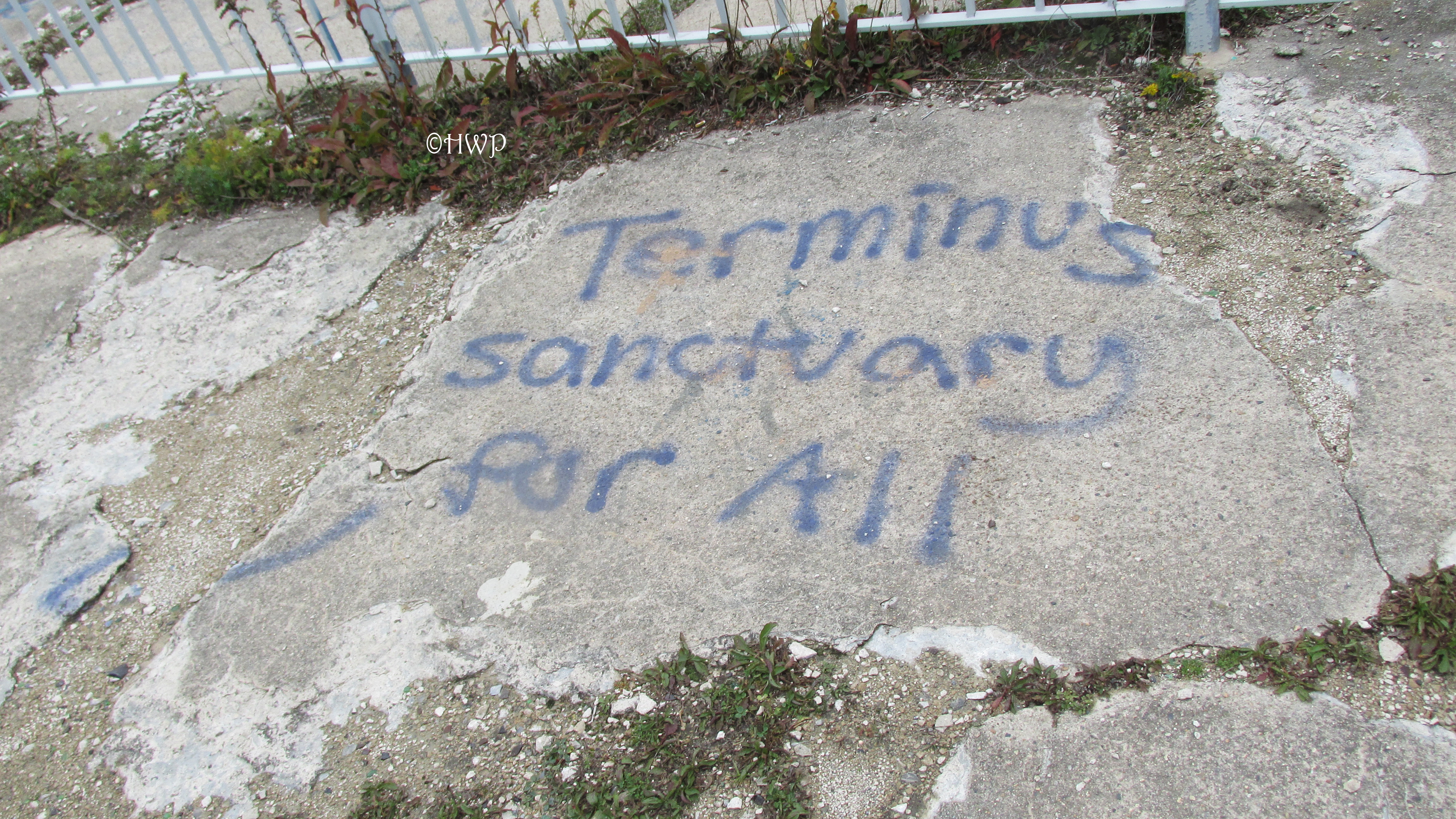
Past the first courtyard, there are a few more towards the western side of the fort. Each one is just as graffiti covered as the first. This colorful art ranges from jokes, hate speech, drawings, and the occasional philosophical saying. For all you “Walking Dead” fans out there, we even found a few signs pointing to “Terminus.” Just like the show, they read “Sanctuary for all.” Fortunately, we didn’t find any cannibalistic community led by a former “Greek” star. While some of the graffiti is really offensive and at times dumb, it does give the former fortress an almost look of urban beauty. All of the wild colors and mismatched drawings give the fort a very unique aura. Unfortunately, any sense of beauty that may be found on the outside is ruined by the darkness of the inside.

The tunnels of Fort Wetherill are the Wild West. As made evident, there are no rules here. We found a small room deep in one of the tunnels that was completely full of bottles and beer cans. We also encountered a lot of unsavory characters down there. A few teens were smoking pot. There were others that were having sex. And even more were smashing the walls with sledge hammers. All just for fun. While we were all kids once, it is a shame to see this incredible site systematically destroyed by these people. And unfortunately, nothing can be done about it. Fort Wetherill has been left behind, and while its walls are sturdy, who knows how long this place has left. Since it is legal to visit, we encourage you to check out Fort Wetherill. However, we do urge you to be respectful. It really is a place of urban beauty, and we hope that you get to experience it. For it will not be long before Fort Wetherill becomes more than just The Devil’s Playground, and descends deeper into darkness.

Sound the Bugle – The Lost Nike Missile Bases of Connecticut

Posted: November 11, 2014 by Hidden Wonders Photography in #postaday, Abandoned, Abandoned Attractions, Abandoned Business, Abandoned Connecticut, Abandoned Forts, abandoned military bases, abandoned new england, Abandoned USA, Abandoned Wonders, Broken, Closed, Connecticut, darkness, Death, Destruction, East Haddam Connecticut, empty, Exploration, exploring the abandoned, fire, for sale, Forgotten, forgotten beauty, forgotten home, Fortress, Forts, Ghosts, Graveyard, Haunting, Hiking, History, Homeless, House, Information, lost, Military, Military Forts, Movies, Mystery, nature, new england, nightmares, Nike Missile Base, overgrown, photography, Portland, Public Parks, research, Ruins, Safety First, Searching, State Parks, Stories, Uncategorized, Urban Decay, Urban Exploration, Urban Exploring, Urbex, writing, WWII
Tags: , , , , , , , , , , , , , , , , , , , , , , , , , , , , , , , , , , , , , , , , , , , , , , , , ,

Sound the Bugle

The Lost Nike Missile Bases of Connecticut

By: Sean and Amanda

This slideshow requires JavaScript.

When I was a kid, we would spend hours upon hours building our own army bases deep in the woods. Little did we know, there are some still out there. Waiting to be found. Though they have been long abandoned, there is still a strong presence to be felt. There are concrete staircases leading to nowhere, old guard shacks slowly being crushed by the weight of time, and miles of underground tunnels hidden from the world of above. These are the former Nike Missile Bases of Connecticut. In the early days of the Cold War, they were built as an aerial defense system for the United States. But as time crept on and technology developed, these missile bases were left behind, fair game for nature to reclaim.

There were at one time hundreds of Nike Missile sites all over the country. Some bases were even established in Europe. There were at least twelve known in the state of Connecticut. Most of these sites were coastal or along the Connecticut River. Others were in place as a defense for the city of Hartford. First established in 1945 as a project for the Army, the Nike Missile sites were created as a new form of defense against aerial attacks on the United States homeland. By the mid-1950’s, there were sites in almost every state in the union. But also around this time, technology began to develop. The Army was moving forward with more advanced forms of missile defense, and Nike slowly became obsolete. It wasn’t long until the project came to end.

With most sites being a part of active military bases, their shutdown was not a big deal. Some shutdown sites were demolished. Others were donated. But a few were simply left to rot. We visited one such site. Most of the bases in Connecticut have been demolished completely, refurnished for new purposes, or used as recreation areas. But there is one that still stands. Hidden away deep in the Meshomasic State Forest, this site featured two compounds: B and C. They are both within a mile or so of each other. Where to find these sites can be found online with a little digging. We strongly advise you use Google Maps if you ever plan on visiting this site. It is not an easy trip in at all.

As soon as you cross over into the Meshomasic State Forest, the road becomes very treacherous. It is all unpaved, rocky, dirt roads going forward. Do not take a car that is low to the ground, or any vehicle that you don’t mind getting a little dirty. If you’ve got a truck or an SUV, take it. Aside from the poor road conditions, the state forest is a true sight to see. Since it is rather difficult to get to, it is not heavily frequented by hikers or bikers. We found relative solitude for most of our trip in. There is no exact street address for either missile site. But we used Google Maps to chart a relative location for both of them so we knew exactly what to look for.

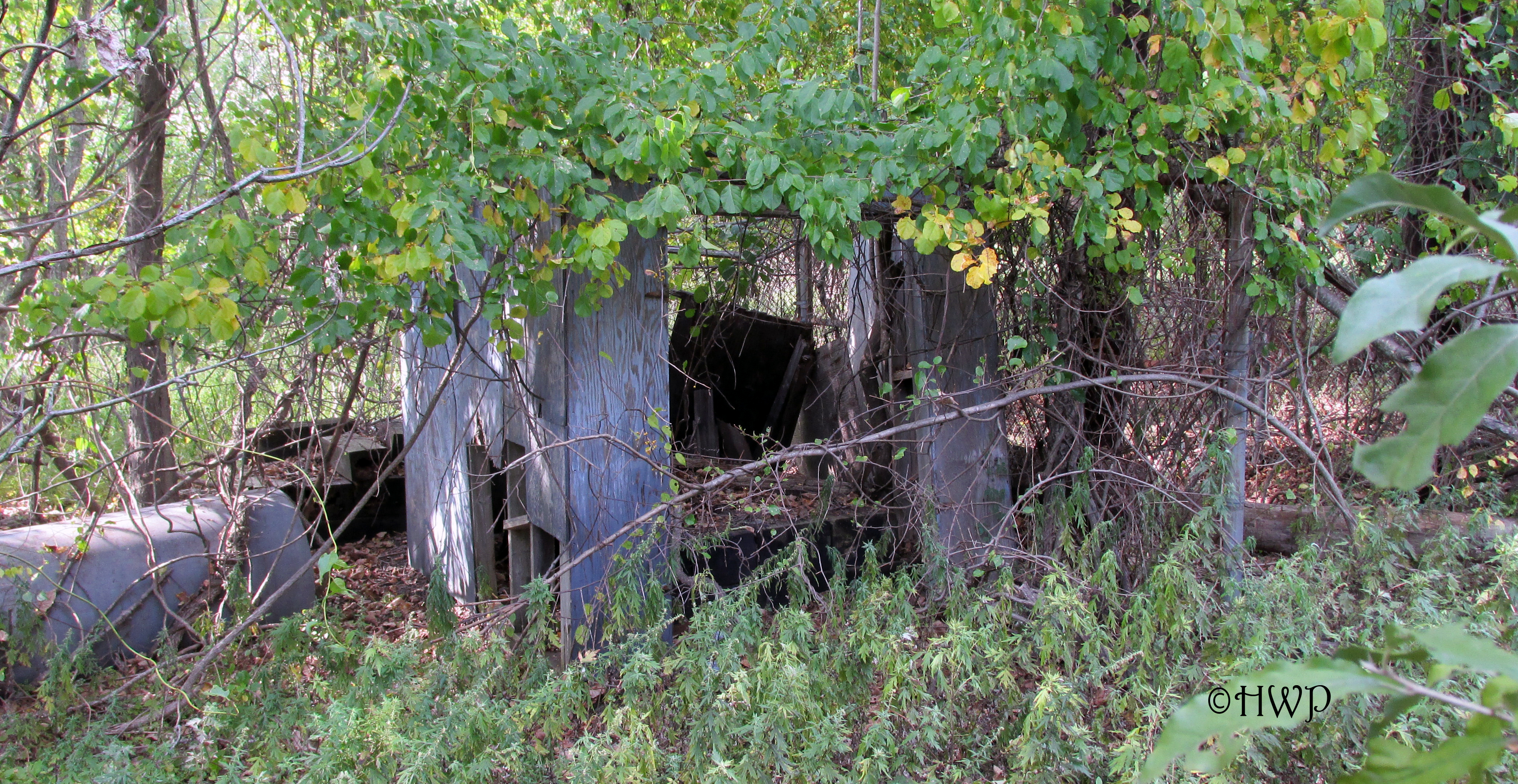
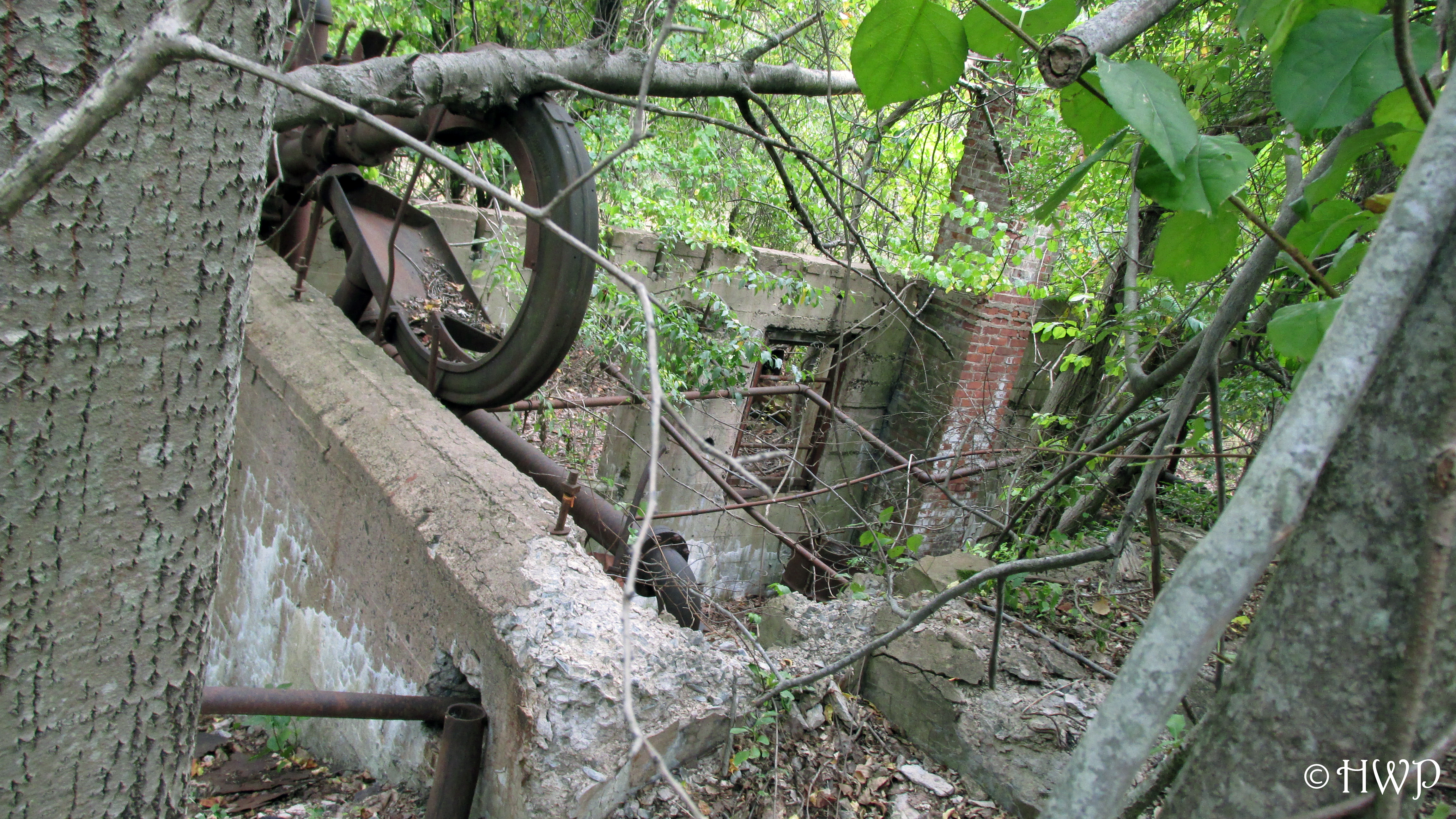
We arrived at Site C first. It is the easier of the two to find, mainly because most of what remains of the site is above ground. It is marked by an old guard gate, with a slowly decaying road leading upward. This proved to be a nice place to park our car. After a short walk up the old road, we found what remains of the base. It was marked by a concrete staircase to nowhere, leading onwards. We walked up the staircase and continued down the path. Several odd looking buildings still remain, though a few of them are full of beer cans and trash. Also, always watch where you step. There are partially filled in manholes all over the site. Only once were we able to find one that you can climb down, but it did not go far. It was also full of snakes. There are also multiple collapsed buildings on this site. Whether they were torn down by man or by nature remains to be seen.

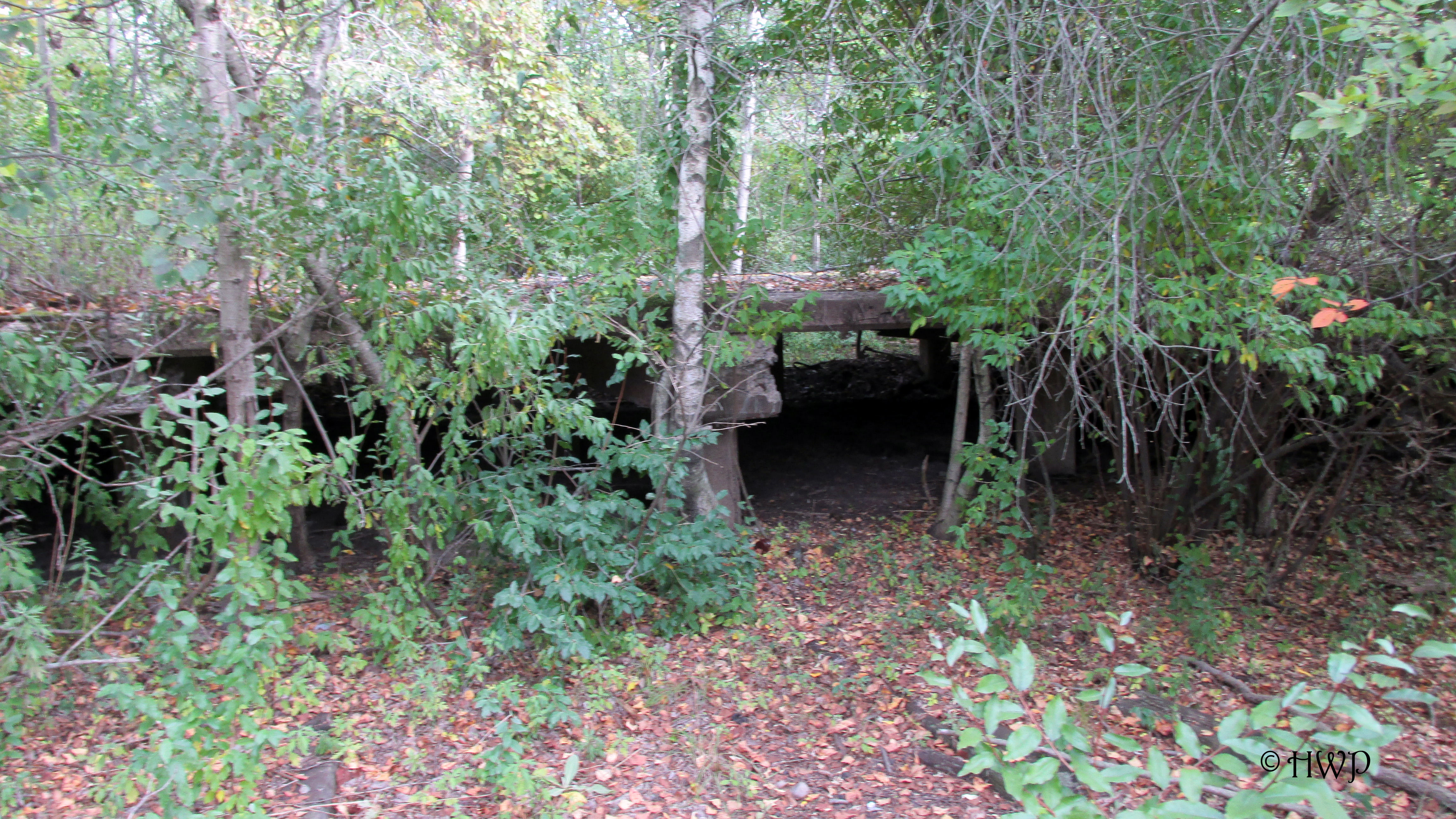
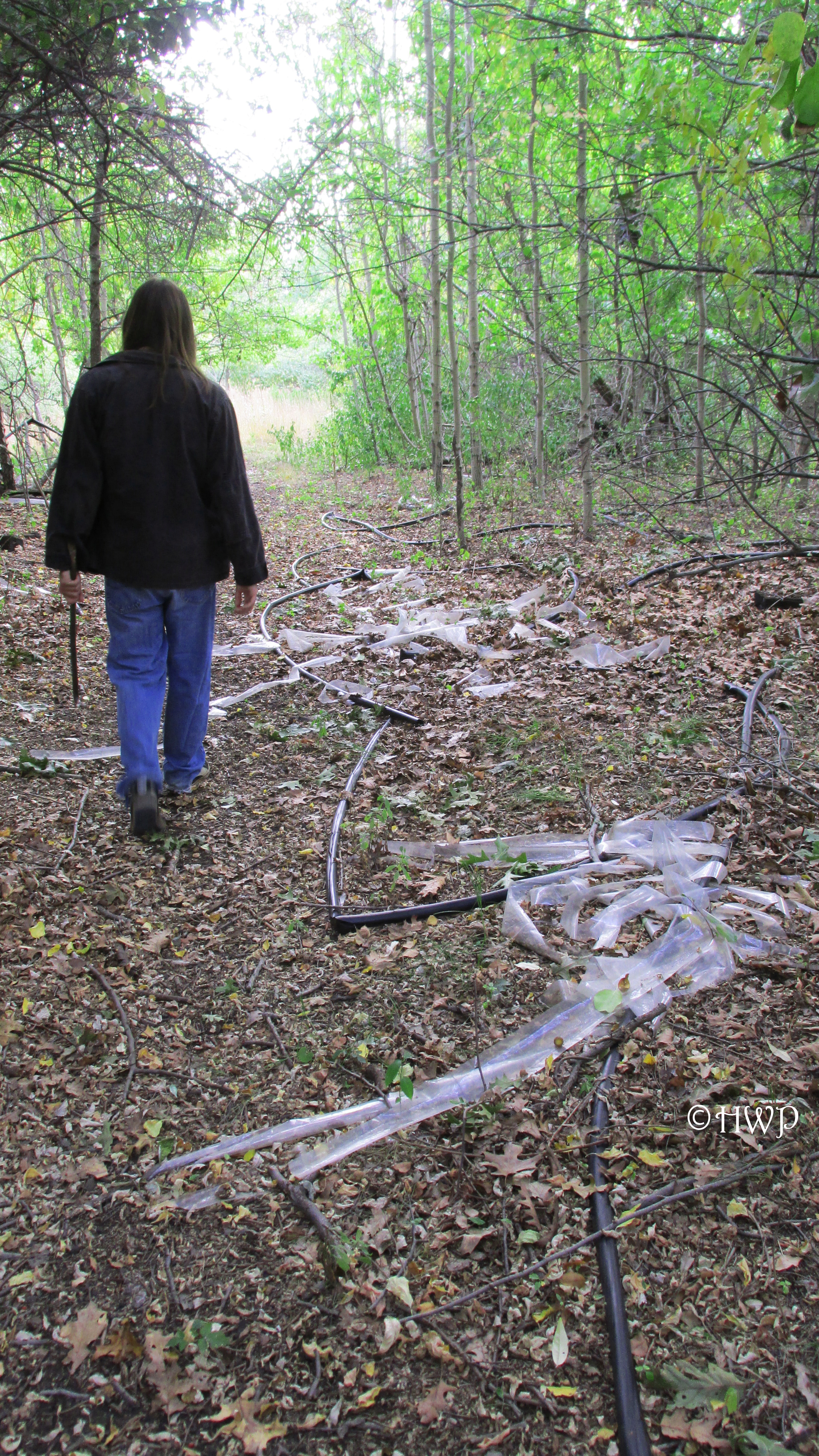
Site D was our second visit. It is a good stretch further down the labyrinth of dirt roads, marked by a similar entry way as Site C. This site has a paved road leading into it. The road is in surprisingly good shape, though it is covered in graffiti and old fire pits. Both sites have a lot of evidence for partying, which was discouraging. A short walk down the road, we found several former foundations of buildings. We also found an old trail of old power lines which lead further into the base. Following this trail, we found multiple mounds of wood chips. This usually indicates something was there, but has now been destroyed. Continuing down the road, we came across a big empty field. Though it may not look like much, it was what dwells beneath your feet that makes this site special.

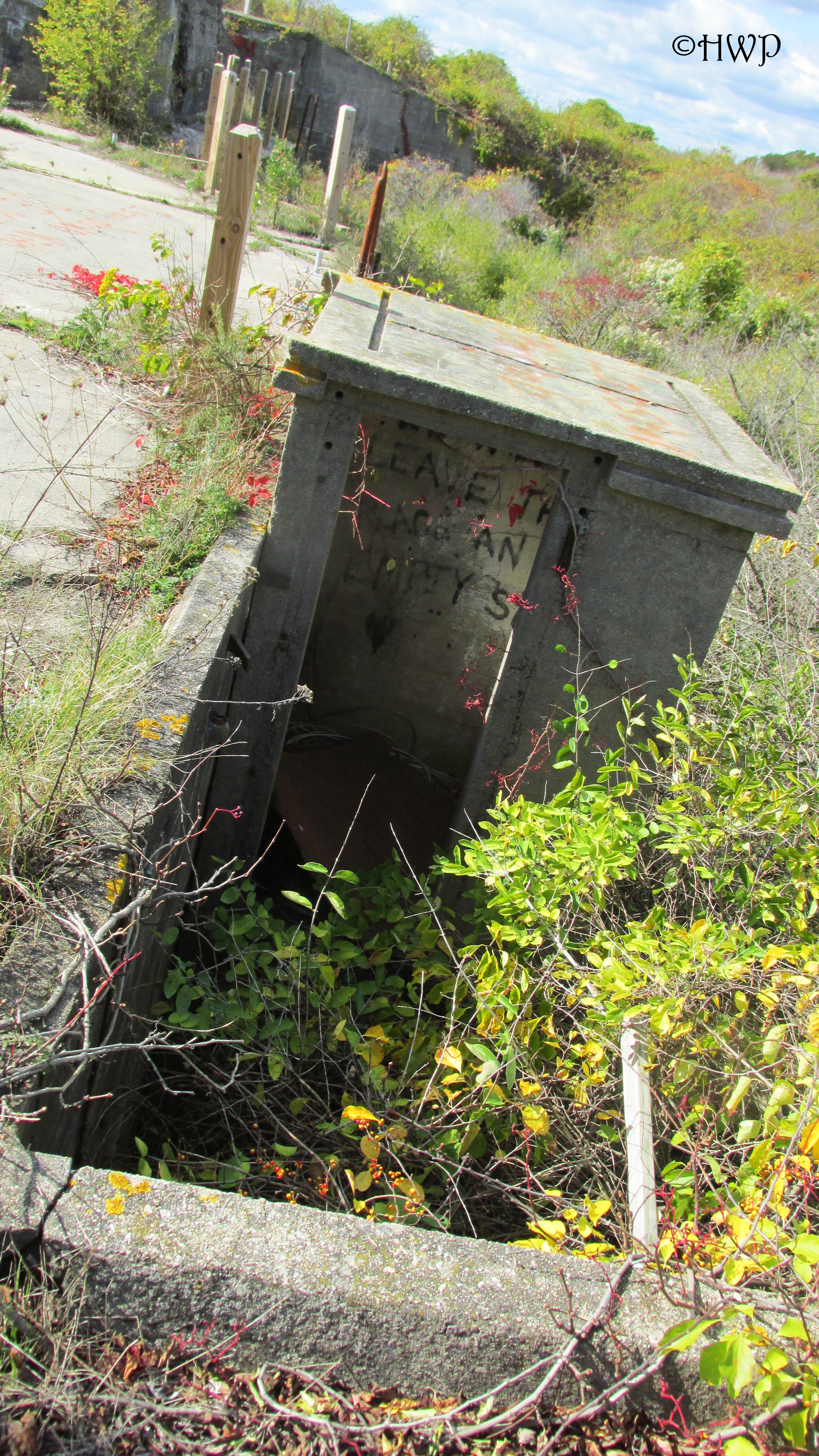
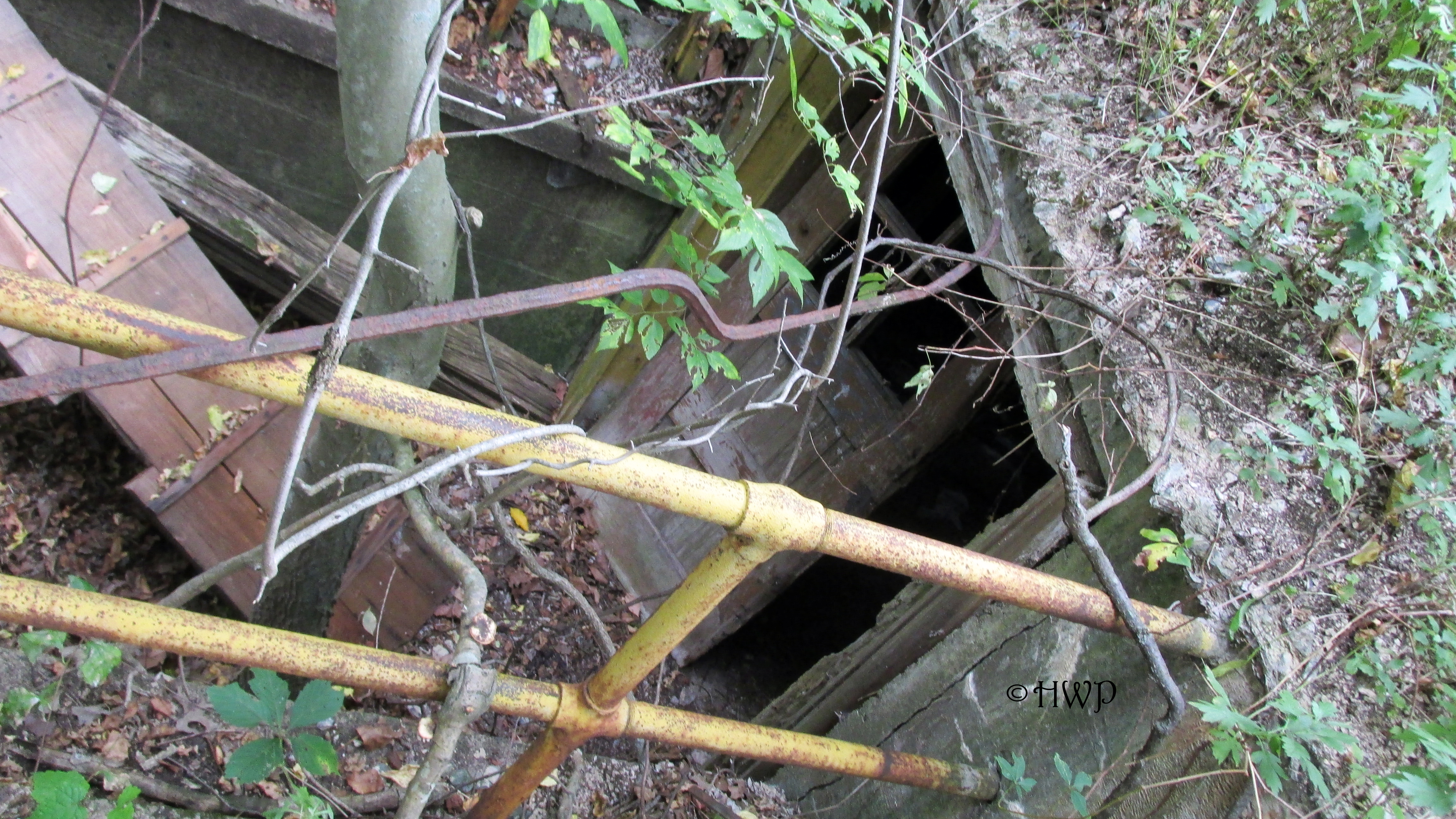
Much like Site C, there are many filled in manholes all across the base. There are also several just plain cement lots. But do not be deceived. Beneath the cement, lie the underground bunkers of the Nike Missile Site. There are very few ways down into the tunnels. But we found one. By gaining access through an old ventilation hatch, we were able to get into the underground tunnels. We do not condone or recommend this. It may not be illegal, but the tunnels are extremely dangerous. They are heavily flooded in some parts. The air is not very good. And it is completely dark down there. Do not even think about going down without all of the proper safety equipment. Getting in involves a lot of crawling on your belly, covering your face, and hoping to God the batteries of your flashlight hold out.

Once a thriving part of the United States military, the Nike Missile sites are now nothing more than the ghosts of the Cold War. Though many of the former sites have been destroyed or are on private property, this site strangely is neither. It was simply left behind. Of all the places we have explored, few have shown just how fast and furiously nature can reclaim the land. The sites lay in ruin. But if you look closely, you can still see the shadows of what this place once was before the final bugle sounded.