Archive for the ‘Birds’ Category

Into the Cages

The Abandoned Shade Swamp Shelter

Written by: Wilk

Photographs by: Lassie

I have always hated seeing animals in cages, for as long as I can remember. Few things in life make me sadder than that. As a kid, I never liked going to the zoo or even the aquarium. Whereas most children found seeing the animals to be quite a fun and exciting experience, I felt only despair. Seeing what was once a wild animal trapped inside a cage always brought about feelings of sadness and anger. I can’t really explain it. I mean, not all cages are bad. Zoos aren’t the only ones to keep animals in cages. Animal shelters and rescue facilities keep their residents in cages, but for better reasons. Healing of injured animals or protecting endangered ones are a noble task indeed. But still, the thought of freedom being taken away is a dark one. And the image of cage can be a frightening one, especially when its been abandoned for many years.
img_7037

Our subject of this piece is a peculiar one: the abandoned Shade Swamp Shelter in Farmington, Connecticut. It is a far cry from most of the pieces we have done on here. First established in the early 1930’s, the purpose of the shelter has varied over the years. The rustic log shelter that has since become its signature was originally designed and built by the historic Civilian Conservation Corps. It has ranged from being a roadside attraction to being a wildlife sanctuary. One of its nobler pursuits was being home for wildlife rehabilitation. The sanctuary was based in the Shade Swamp, and featured a variety of enclosures for injured wildlife. It sadly went under during the 1960’s, and has been more or less abandoned ever since. A stroke of luck, however, came in 1986 when the shelter was officially listed in the National Register of Historic Places.

This slideshow requires JavaScript.

We made the trek to the abandoned shelter in the waning days of summer 2016. The heat was beginning to die down, and the first glimpses of the fall season were just sprouting up. Sitting alongside the heavily trafficked US 6 North, the Shade Swamp Shelter is not difficult to find. It is almost hard to believe what is hidden back there when you first see it. The area surrounding it is teaming with traffic, busy intersections, and office buildings. But here in the swamp, everything is quiet. Upon arrival, there is a small pull-up spot where a few cars can be parked. Luckily, we were the only visitors there that day. You are then greeted with the old structure of the shelter itself. Though it has clearly been taken care of, there is also sadly evidence of vandalism and a recent fire inside of it. Given its age though, I’d say she looks pretty good. But it is further down the trail that the true hidden gems of this place lie.

This slideshow requires JavaScript.

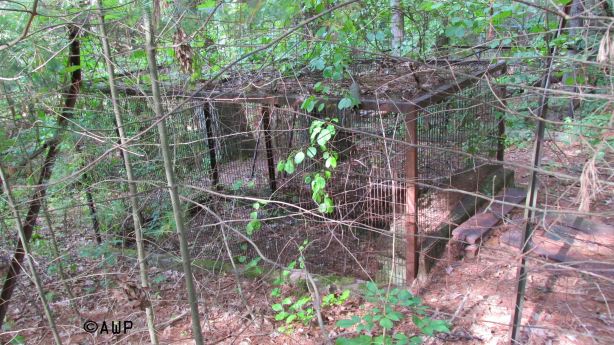
A short walk down the winding and nearly overgrown nature trail, we found the cages. Rusted to all Hell and in varying ranges of decay, there are nearly two dozen large pen cages lining either side of the trail. The ones on the right side are smaller, and feature stone dens at the back. The ones on the left side are much larger and have blue painted exteriors. Off the beaten path there is one bigger enclosure that is far different from the others, and was in the worst shape. The rusty fence is still up in a few places, and a few gagged pieces of metal are still nailed to a few of the trees. Be careful where you step. The trail will lead you further into the swamp, but circles back in one big loop. After the cages, you will find a few old relic from the sanctuary’s heyday, but nothing truly of note. The strange aura and mystique of these large abandoned enclosures are enough of a sight to see. You can even set foot inside a few of them, if you are brave enough.

This slideshow requires JavaScript.

What is it about cages that make them so unsettling? Is it the thought of being trapped with nowhere to hide? Or is it something more? Perhaps the very notion of that precious freedom that we all seem to take for granted being taken away is what makes them so unsettling. Anyhow, the abandoned Shade Swamp Shelter is a great visit for anyone looking for a good hike and adventure seekers. There are no abandoned buildings or asylums here: just the remnants of a place long forgotten. It literally sits a few meager yards from a hustling and bustling community. But everything is silenced by the aura of the swamp. Chipmunks and birds roam freely here, making their homes into these old enclosures. Their world is seemingly untouched by ours out here. And though these cages now sit empty, they stand as a grim reminder of what was and what could have been.
Cold War Ghost Town – The Abandoned Truro Air Force Station

Posted: August 18, 2016 by Hidden Wonders Photography in #postaday, Abandoned, Abandoned Baseball Field, Abandoned Cabin, Abandoned Cape Cod, Abandoned Forts, abandoned home, Abandoned House, Abandoned Massachusetts, abandoned military bases, abandoned new england, Abandoned USA, Abandoned Wonders, Bates Motel, Beaches, Birds, Broken, Cape Cod, Closed, darkness, Death, Destruction, empty, Exploration, exploring the abandoned, Forgotten, forgotten beauty, forgotten home, Fortress, Forts, Ghosts, Graveyard, Haunting, Hiking, History, House, Information, left behind, Magic, Massachusetts, Military, Military Forts, Mystery, nature, new england, nightmares, Ocean, Ocean View, overgrown, photography, Public Parks, research, Ruins, Safety First, Searching, seaside, State Parks, Stories, Truro, Uncategorized, Urban Decay, Urban Exploration, Urban Exploring, Urbex, writing, WWII
Tags: , , , , , , , , , , , , , , , , , , , , , , , , , , , , , , , , , , , , , , , , , , , , , , , , , , , , , , , , , , , , , , ,

Cold War Ghost Town

The Abandoned Truro Air Force Station

Written by: Sean L.

Photographs by: Amanda H.

War is a lot like love. It is easy to start, difficult to end, and impossible to forget. No conflict in human history has ever been truer to these words than the Cold War. Decades of mutual hatred between the East and the West brought our entire planet to the brink of destruction. It was an era of fear, anger, and paranoia. And out of those dark emotions came a massive military build-up that spanned across the globe. Today, it is a different world. All of these fears and doubts have faded away, but the ghosts of the Cold War conflict have not. They are hidden, amongst the darkest corners of our forests and our memories. Ruins of old military bases are now nothing more than graveyards. But on the far reaches of Cape Cod, there is one that stands out from all others.

IMG_6510

In the dark days following World War II, the United States military began to prepare to adjust to the changing international atmosphere. Across the country, missile defense bases began to emerge. In 1951, the North Truro Air Force Station was born. Situated on the far end of Cape Cod, Massachusetts, the base had many different jobs during the Cold War conflict. With ever changing and advancing technology, the station was largely used as a radar and air defense base. It housed hundreds of American military personnel over the years, and was complete with on-site housing and recreational facilities. But when the Cold War came to a sudden end in 1991, the future of the station became cloudy. In the turmoil that followed, the North Truro Air Force Station was closed in 1994 and the land was sold off.

This slideshow requires JavaScript.

Over the years, we had heard many rumors and stories about the North Truro Air Force Station. Many debated whether or not the place was worth a visit, and even more argued about what was actually left to see. Finally, in the early summer of 2016, we were finally able to stop by the curious facility. The sun was shining. The beaches were busy. And the true magic of Cape Cod was just beginning to wake up. The Air Force Station lies off a quiet road on the far side of North Truro. It is actually only a short drive from the fabled Bates Motel, which is more than worth a visit. The base is technically part of a national park, and is legal to visit. Certain areas are still used for community functions though, and are off limits. It doesn’t look like much, but hidden amongst the heavy underbrush and beach foliage is a ghost town, as old and as spooky as the Cold War itself.

This slideshow requires JavaScript.

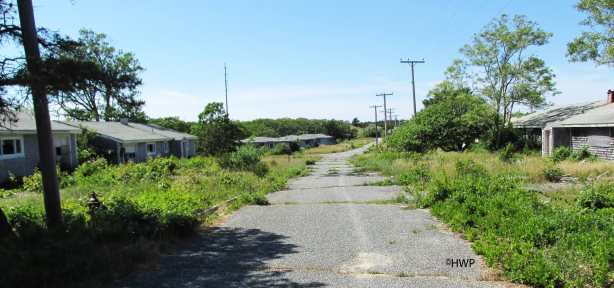
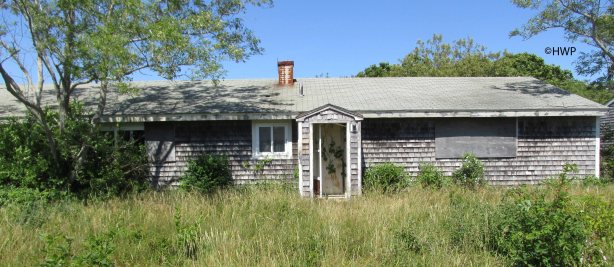
Upon arrival, the first thing to greet you is what appears to be a large open field. But in actuality, this is the overgrown baseball field from the station’s heyday. The old dugouts and diamond can still be seen if you look hard enough. It is a short walk down the old road, though, where things start to get interesting. Here lies the ghost town. Lining a short stretch of road are what remains of the on-site housing for the military personnel. Each one has simply been left to rot. The doors aren’t even boarded up. Inside, kitchen supplies, mementos, and relics of the past have been simply left behind. The houses at the front of the street were for enlisted men. Down the road were the officer’s houses, which were larger and included garage bays. Many tools and pieces of scrap metal could still be found in a few garages. But beware, asbestos warnings and broken glass are everywhere. Watch your step.

This slideshow requires JavaScript.

Hidden farther off in the woods is the old helipad. There is not much to see here, save for a few concrete foundations and filled in tunnels. A slight breeze from the nearby ocean blows through the tall sea-grass. Sea birds and gulls caw overheard, singing a soft eulogy for this forgotten place. We only ran into two other people, an old couple walking their dog who were more than happy to tell us what they knew about the site. If you truly wish to see urban decay at its finest, without running the risk of being arrested, then this place is a must see. It truly is a ghost town, as if everyone just got up and left someday. Never to return. Of all the former military bases we have explored, North Truro Air Force Station was the most intact and most interesting. It is in a class all its own. But to us, this place, much like the Cold War, will be impossible to forget.

IMG_6508


Places to Visit this Summer – Seaside Sanatorium

Posted: July 21, 2016 by Hidden Wonders Photography in #postaday, Abandoned, Abandoned Attractions, Abandoned Business, Abandoned Connecticut, abandoned home, Abandoned Hospital, Abandoned House, abandoned new england, Abandoned USA, Abandoned Wonders, Beaches, Bird Watching, Birds, Broken, Cabin, Cape Cod, Children, Children's Hospital, Closed, commercial, Connecticut, darkness, Death, Destruction, empty, Exploration, exploring the abandoned, for sale, Forgotten, forgotten beauty, Ghosts, Graveyard, Haunting, Hiking, History, Homeless, House, Information, left behind, Mystery, nature, new england, Ocean, Ocean View, photography, Public Parks, research, Ruins, Safety First, Searching, seaside, Seaside Sanatorium, State Parks, Stories, Urban Exploration
Tags: , , , , , , , , , , , , , , , , , , , , , , , , , , , , , , , , , , , , , , , , , , , , , , , , , , ,

Please check out our new video on the abandoned Seaside Sanatorium! If you are going to visit one abandoned place this summer, put Seaside Sanatorium on your list.

Cape Cod’s Psycho 2 – Return to Bates Motel

Posted: July 6, 2016 by Hidden Wonders Photography in #postaday, Abandoned, Abandoned Attractions, Abandoned Business, Abandoned Cabin, Abandoned Cape Cod, abandoned home, Abandoned House, Abandoned Massachusetts, abandoned new england, Abandoned Resort, Abandoned USA, Abandoned Wonders, Bates Motel, Beaches, Birds, Broken, Cabin, Cape Cod, Closed, commercial, darkness, Death, Destruction, empty, Exploration, exploring the abandoned, Forgotten, forgotten beauty, forgotten home, Ghosts, Graveyard, Haunting, Hiking, History, House, Information, left behind, lost, Massachusetts, Movies, Mystery, nature, new england, nightmares, Ocean, Ocean View, overgrown, photography, Ruins, Safety First, Searching, seaside, Stories, time, Truro, Uncategorized, Urban Decay, Urban Exploration, Urban Exploring, Urbex, writing
Tags: , , , , , , , , , , , , , , , , , , , , , , , , , , , , , , , , , , , , , , , , , , , , , , , , , , ,

Cape Cod’s Psycho 2

Return to Bates Motel

Written by: Sean L.

Photographs by: Amanda H.

Every great Hollywood movie ends up getting a sequel. Especially horror movies. Jaws. Saw. Halloween. Friday the 13th. Scream. Yes, even Psycho. While the sequels are not as wisely known or as fondly remembered as Alfred Hitchcock’s original classic, they set a precedent as far as horror sequels would go. In an effort to outdo their predecessors, most horror sequels end up being much darker, brutal, and more sinister than what came before them. Most of these films fail to meet these expectations. But some go a little bit too far. This is our first “sequel.”

IMG_6537

Over three years ago, we visited an abandoned landmark along the white sandy beaches of Cape Cod – Bates Motel. It has stood silently amongst the bustling vacation community of North Truro, Massachusetts, for over two decades. It’s origins are a mystery. Nobody anywhere seems to know just what this place was or how it came to be in its present state. We wrote a piece on it about a year ago, and it went on to become one of our most popular articles. A few weeks ago, while on vacation in Cape Cod, we decided to stop by to see how our old friend was doing.

This slideshow requires JavaScript.

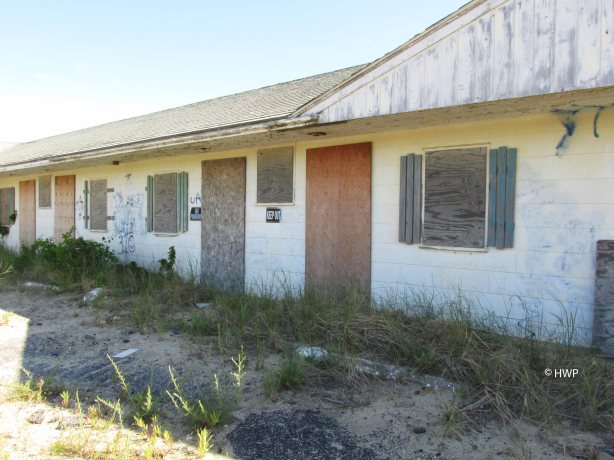
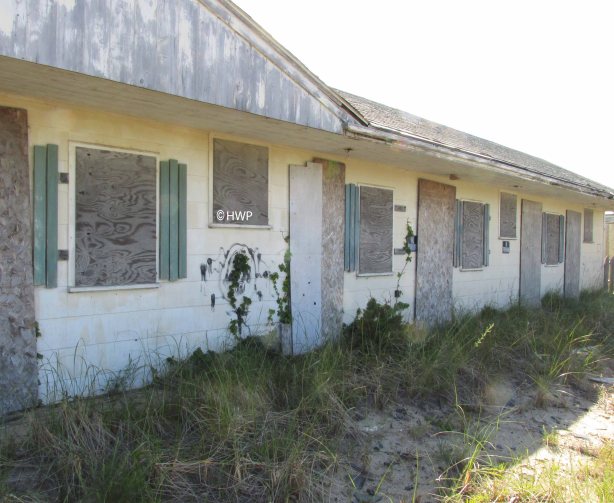
Let’s just say that the years have not been kind to the Bates Motel. Where once rusty old padlocks kept people out of the rooms, not everything is boarded up. The windows. The doors. The office. Everything. The tall seagrass has grown wild and uncontrollable. The pavement of the old parking lot lies in jagged chunks mixed among the scorching hot sand. The gulls still soar overhead, cawing at the misery of this sad place. On either side, happy vacationing families pay no heed to the Bates Motel. They simply ignore it, like a stray dog lying wounded in their summer paradise.

This slideshow requires JavaScript.

We don’t break in to places. We never have, and we never will. But someone, or something, had broken into the Bates Motel before our visit. The old plywood covering the maid’s closet had been busted open, so we popped in to take a few pictures. While it was damn near pitch black inside, plenty of stuff has been left inside. Small beams of sunlight peaked through the cracks in the wooden planks. We even found the entrance to the basement, but it was much too dark to get any good photographs. Though we were unable to get inside the office, plenty of furniture is still sitting in there as well. It is almost as if Bates Motel just up and closed one day. Never to re-open.

This slideshow requires JavaScript.

Our first visit to the abandoned Bates Motel was much like the first film in a great horror franchise. It was shocking, fascinating, and highly recommendable. Our second visit was much like the sequel. While it was unavoidable, it was much darker than the original. It was much like Psycho II: it left us feeling like we had never come back, that we could just remember the Bates Motel how it was. The slow rate of decay on this place is a bit depressing. The place looked like it was about to just collapse in on itself at any moment. Will there be a Part III for us at the abandoned Bates Motel? Only time will tell.

IMG_6538

Costs Mount As State Decides The Future Of Seaside Park In Waterford

(Published October 11, 2015 in the Hartford Courant)

Rest of Story Here…

–We take no credit for the story or the picture posted above. All credit goes to The Hartford Courant–

The Crumbling Kingdom — The Abandoned Seaside Sanatorium

Posted: September 3, 2015 by Hidden Wonders Photography in #postaday, Abandoned, Abandoned Attractions, Abandoned Business, Abandoned Connecticut, Abandoned Hospital, abandoned new england, Abandoned Sanatorium, Abandoned USA, Abandoned Wonders, Beaches, Bird Watching, Birds, Broken, Children, Children's Hospital, Closed, Connecticut, darkness, Death, Destruction, empty, Exploration, exploring the abandoned, Forgotten, forgotten beauty, Ghosts, Graveyard, Haunting, Hiking, History, Homeless, Information, left behind, lost, Mystery, nature, new england, nightmares, Ocean, Ocean View, overgrown, photography, Public Parks, research, Ruins, Safety First, Searching, seaside, Seaside Sanatorium, State Parks, Stories, Urban Decay, Urban Exploration, Urban Exploring, Urbex, Waterford, writing
Tags: , , , , , , , , , , , , , , , , , , , , , , , , , , , , , , , , , , , , , , , , , , , , , , , , , , , , , , , , , , ,

The Crumbling Kingdom

The Abandoned Seaside Sanatorium

Written by: Wilk

Photographs by: Lassie

A relic from the old world sits alone on the picturesque shores of New England’s Long Island Sound. The steady waves of the ocean lap up against the sandy shores, but she doesn’t move a muscle. Armies of birds of all shapes and sizes roost amongst her crumbling rafters, but she doesn’t seem to mind. Small crowds of beachgoers flock by to enjoy their holidays, but they pay this beautiful disaster no attention. This is Seaside Sanatorium, and though she doesn’t look it, she was once considered one of the finest hospitals in the state. But that time has passed. We visit this abandoned facility every year, and each year this once shining star seems a little less bright. It is sad to say that the State of Connecticut has apparently ceased its protection of this old facility, leaving it ripe for rampant and senseless destruction from local vandals.

The main buildings on the grounds were designed by the world renowned architect Cass Gilbert in the early twentieth century. He was the same man responsible for masterminding the famous US Supreme Court building in Washington DC and New Haven’s Union Station. The facility was opened during the early 1930’s, seeing a long and colorful history that lasted until 1996. Over the years it has served as a children’s hospital, a treatment center for the elderly, and a facility for the intellectually disabled. Its beautiful setting along the shores of the Atlantic Ocean were said to provide a very peaceful atmosphere for its residents. Sadly though, the facility was allegedly home to several incidents of violent treatment of patients in the early 1990’s which would ultimately cause the demise of Seaside. It now sits abandoned, though it can be legally walked as a recreation area.

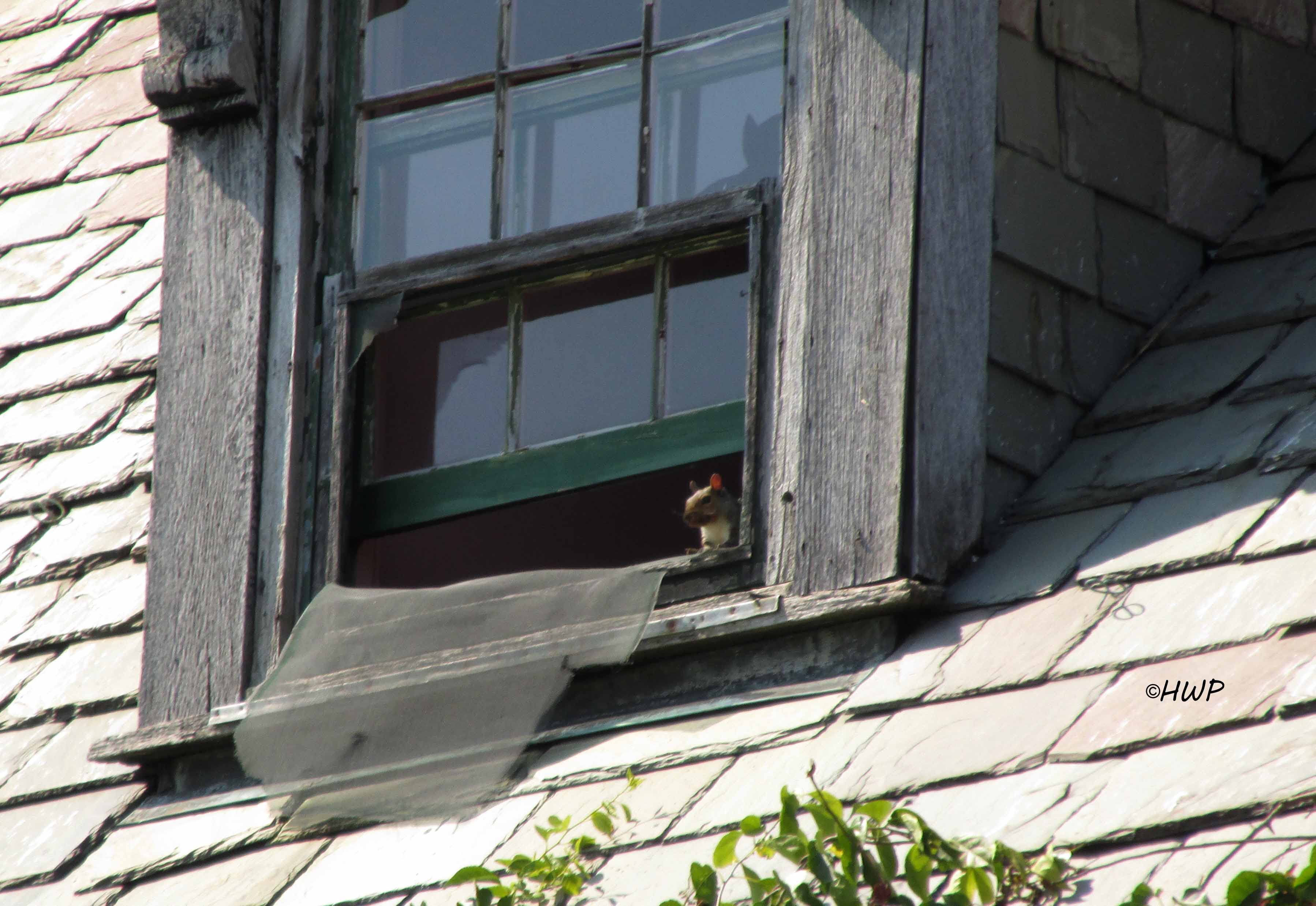
While the Main Hospital is the main attraction, its supporting act is the Nurse’s Building. Though it is not as ornate or extravagant as the Main Hospital, the Nurse’s Building is just as hauntingly beautiful. Windows have been boarded up. Wild vines coat the outer walls. The stairs from the old fire escape have been removed. A doorway that had been busted open by vandals has been crudely barricaded with mounds of dirt and tree branches. A small squirrel keeps watch from the upper rafters. But most noticeable of all, a family of Osprey has taken up residence on the buildings chimney. Perennial occupants, these massive birds of prey hold a strong presence over the entire grounds. Small birds hide when they fly by. The fearsome screeches of their feasting young echoes from their nest. And the massive adults keep close watch on anyone who passes by what has become their empire.


Of all the abandoned hospitals we have visited in our time, the main hospital of Seaside is the most breathtaking. Two broken lighthouses stand at its corners. A towering spire forms the center of the facility. Five brink floors stand tall before the Atlantic Ocean. The old ruins of the building’s parking lot lie in the back. The pavement still cracked with age. What is left of a playground stands at the front, defiantly facing the sea. An old slide slowly rusts into oblivion. A child’s merry go-round has become overrun with wild vines. Windows have been shattered. Walls have been defiled with graffiti. Inside, the shocking white paint hangs from the walls like sleeping albino bats. A few old pieces of furniture stands guard over any trespassers. And an earie silence fills the halls that were once full of patients and doctors alike. It is both comforting and terrifying.

The grounds still have an echo of their old past. A few dead power lines hang from rotting poles. A ghostly chessboard slowly disappears into the wild grass. A rusted fire hydrant still keeps watch over the facility. On our last visit, a round the clock security force was in place around the abandoned buildings. Today, there was no security to be found. And according to the locals, they’ve been gone for some time. The grounds have noticeably suffered since our last visit. When the cat’s away, the mice will play. And what terrible games they have been up to inside this poor facility. We encountered several destructive vandals on our trip, and had to frighten them out of the building on our own. These are the people that give what we do a bad name, and these are the people that cause the steady destruction of abandoned wonders like Seaside Sanatorium. She was once a proud and dignified medical facility. Now, she is nothing more than a crumbling kingdom.

Fly Away Home

The Abandoned Montgomery Mill

Written by: Wilk

Photographs by: Lassie

The state of Connecticut was once a place of industry. Factories and mills thrived for years in our little state. They provided income and jobs for small towns everywhere. But times change. We are now known as the “Insurance Capital of the World.” One by one, these former staples of the community slowly closed their doors as society continued to evolve. Today, these old factories now lie broken and forgotten all across the state. At one time, there were over seventy five abandoned mills in the state of Connecticut. Some, like the Montgomery Mill, stand looming over their small towns. They cast a shadow of the past across a growing community that tries to move on. We have explored several of these former factories over the years, but none have been as ominous, or as troubled, as the Montgomery Mill. From its haunting image, to its checkered history, the former factory stands in a class all its own.


First built in the early 1800’s, the Montgomery Mill was once the jewel in the crown of the thriving town of Windsor Locks. It gave the people of the town jobs, and became the heart of downtown. Businesses and shops opened up all around the mill. In the mid 1900’s though, things began to change. During the 1960’s, the small town of Windsor Locks began to steadily decline. The Montgomery Company struggled on for several more years, before finally closing its doors in 1989. Since that day, the factory has been a constant topic of debate amongst the townspeople and a playground for destruction. The property has changed hands several times between land developers and entrepreneurs over the years, but nothing has come of it. There have also been three notable fires in the mill complex; all were found to be caused by arson. The property has since become a seedy refuge for the local homeless, vandals, and scrap metal scavengers.

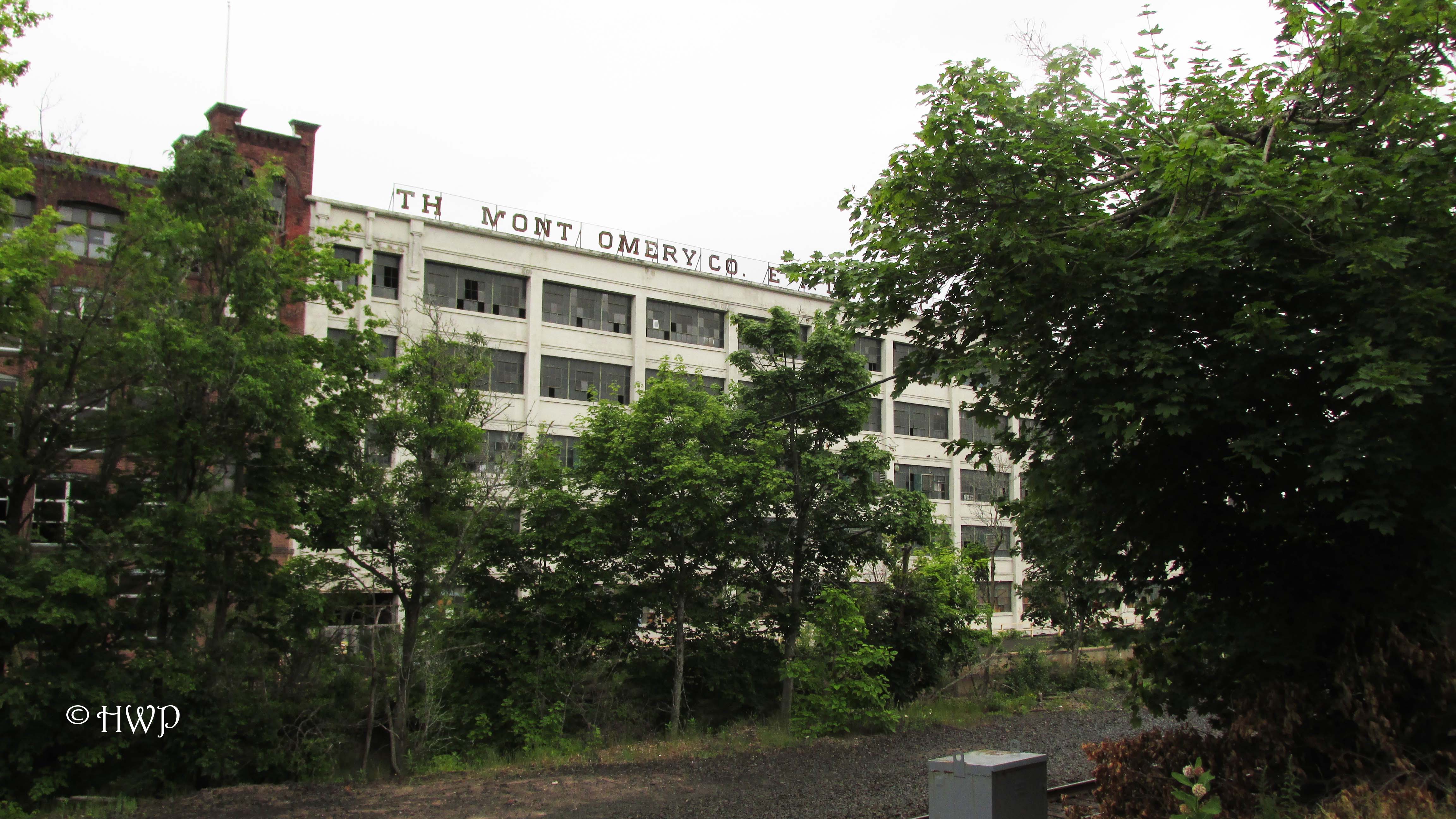
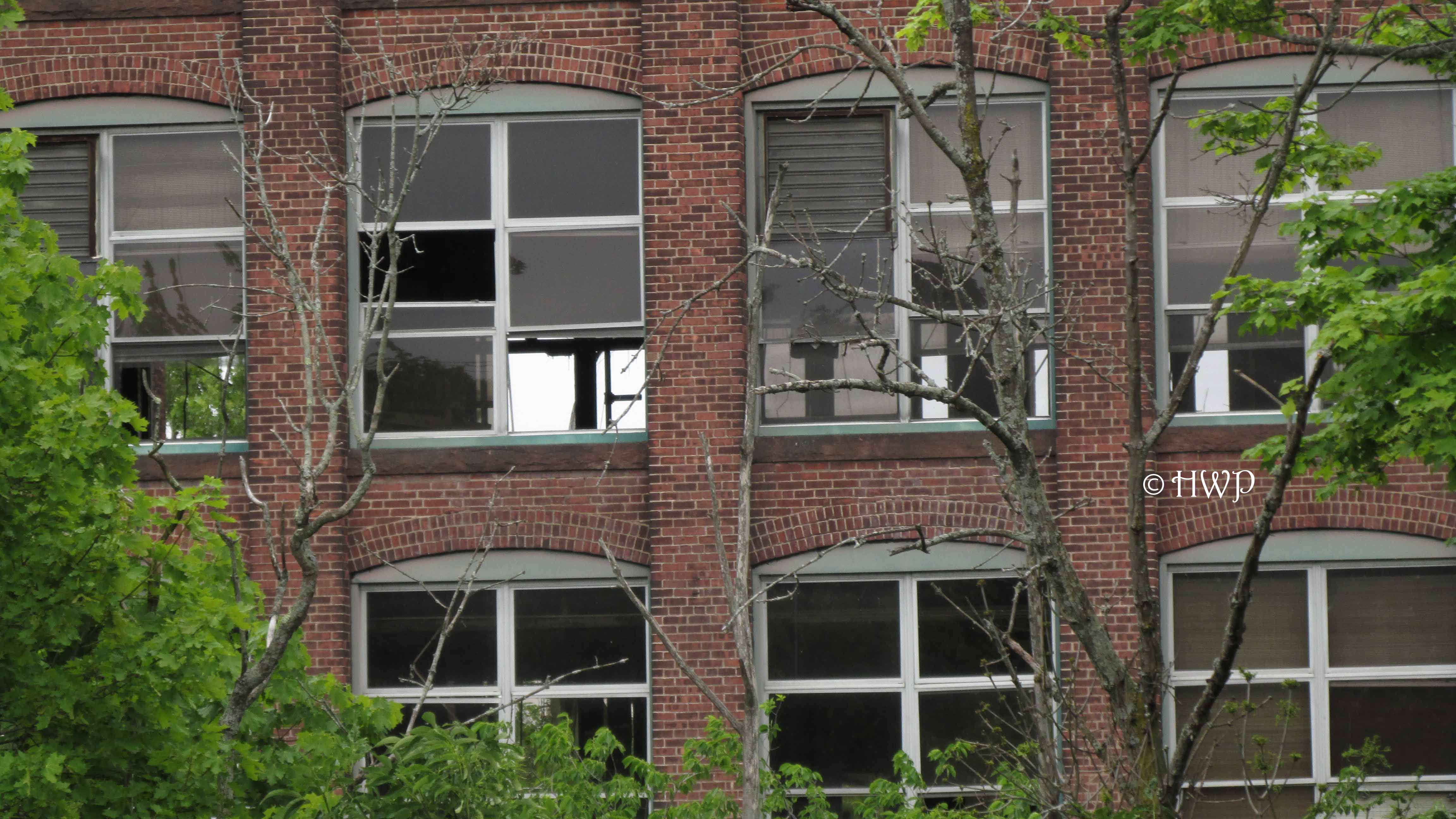
Standing right alongside the banks of the mighty Connecticut River, the Montgomery Mill is truly a sight to see. Driving down Main Street, you really can’t miss it. The factory is huge, standing ominously over the small town beneath it. It casts a shadow over the entire area. Eerily reminiscent to some of the buildings of Prypiat, Ukraine, the place is hauntingly captivating. There are multiple buildings in the complex, each one lies in a state of utter decay. The main factory stands six floors. Windows have been smashed. Fences have been put up. Doors have been boarded up. Even a few letters from the buildings sign that once read “The Montgomery Co. Est. 1871 Decorative and Electric Tinsels” have been lost. Wild vines and vegetation grow along the base of the factory, and even inside the basement. An old rusty fence protected by some jagged barbed wire and a faded stop sign block the entrance to the main complex.


What makes the Montgomery Mill so unique are its new residents. Though the workers of the factory are long gone, the local bird population has taken up residence in the now empty halls. Squads of pigeons and doves line the rooftops and window sills of the mill, spying on all those that enter their domain. But they are not the ones that rule this roost. A family of Bald Eagles has taken up residence inside of the factory. Conservationists believe that they are currently raising several young hatchlings somewhere inside the main building. For this reason, it is forbidden to enter the factory. If nesting Bald Eagles are disturbed, they will abandon their young and instinctively never return to their nest. We did not enter the factory, and we urge all our fellow explorers to do the same. The Bald Eagle is an endangered species, and their space must be respected. Unfortunately, we were unable to catch a glimpse of them.

Sitting in a state of beautiful decay, the Montgomery Mill stands as one of the more unique places we have ever visited. Even though we weren’t able to get inside of the abandoned factory, it is still worth a visit just to see this place. While the roaring river beside it continues to flow, the grounds still sit in defeat. Though many see it as an eye soar and sad reminder of downtown’s downfall, there is still a glimmer of hope for the property. The animal that captivates the American spirit and pride has chosen this former mill as its nesting grounds. When they move on, there are still plans for the town to finally foreclose on the property and begin the rebuilding process. Until that day, the Montgomery Mill stands waiting, casting its ominous shadow across the community. But much like the American Bald Eagle, the town continues to persevere, flying onward in hopes of a better tomorrow.


**For the rest of the photographs from the Montgomery Mill, please visit our Facebook page HERE!! Please like, share, and comment on your favorite articles/photographs! Thank you for visiting Abandoned Wonders!!**

“I’ll tell you a riddle. You’re waiting for a train, a train that will take you far away. You know where you hope this train will take you, but you don’t know for sure. But it doesn’t matter. How can it not matter to you where the train will take you? Because you’ll be together.” –Inception 

A Peaceful Feeling

Abandoned in the Center of Town

Written by: Sean L.

Photographs by: Amanda H.

In a small town in Connecticut, an empty house is slowly devoured by the forests that surround it. Windows and doors have been busted open. An old barn slowly decays in the front yard. The once firm driveway is now nothing more than a gravel path. Wild vines and briars steadily grow like gnarling teeth across the outer walls. All of this stands in plain sight of the town of Hebron, Connecticut. A house slowly dies in plain sight here. The rest of the town just goes on about their business. They pay no attention to it. Cars go by. People get their groceries. Businesses rise and fall. But not a second glance is given to this place that someone, not too long ago, called home. We’ve explored many abandoned houses in the past, but none of them have been literally smack dab in the center of town. They’ve often been in some desolate country road or lost in the woods. But this place stands alone, crying out for help. But nobody answers.

 The town of Hebron, Connecticut, was founded in the year 1704. It is one of the older towns in the area. It was officially incorporated into Hartford County in 1708. About a century later, parts of Hebron officially became a part of the newly established township of Marlborough, my home town. Throughout its history, Hebron was well known for being a strong farming community. Much of its rolling countryside was home to countless family farms and homesteads. Though the town has changed significantly over the years, many farms can still be found in the town. Along Route 66, several large chicken and dairy farms can be seen alongside the busy road just over the Columbia border. Unfortunately, just a few miles down the road, one former home lies empty and abandoned. Much like the other abandoned homes we have visited over the years, we were not able to find much of any information about this old house. From what we have gathered, it has been abandoned for at no more than eight years.

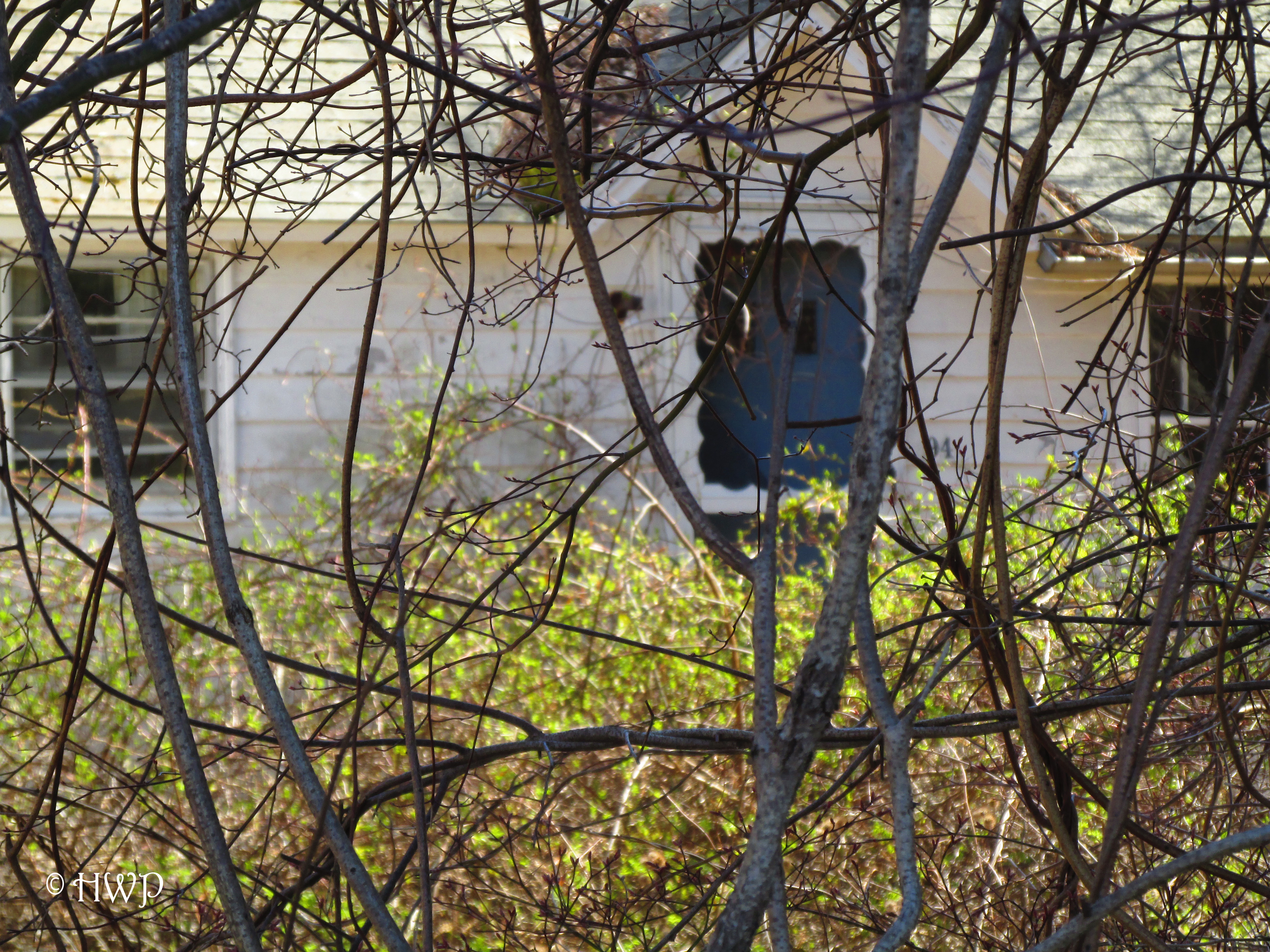
Though this abandoned house lays smack dab in the center of town, someone clearly doesn’t want anyone visiting it. NO TRESPASSING and KEEP OUT signs are posted along the property. Oddly enough, the closest neighbor to the old abandoned house is actually the resident CVS Pharmacy. Dozens of patrons visit the pharmacy every day, with little knowledge of what lies amongst the underbrush. The house is rather hard to get to. Nasty briars and thick vegetation surround the house, making it very difficult to reach or even see for that matter. With no one left to stand in her way, Mother Nature is slowly reclaiming this former home. The upper attic of the house is now home to plenty of birds and probably some bats too. We could see plenty of nests from the outside. The exteriors of the house are in very poor shape. A television antenna has fallen off the roof, but never made it to the ground as it has become entangled in the vines growing along the gutters.

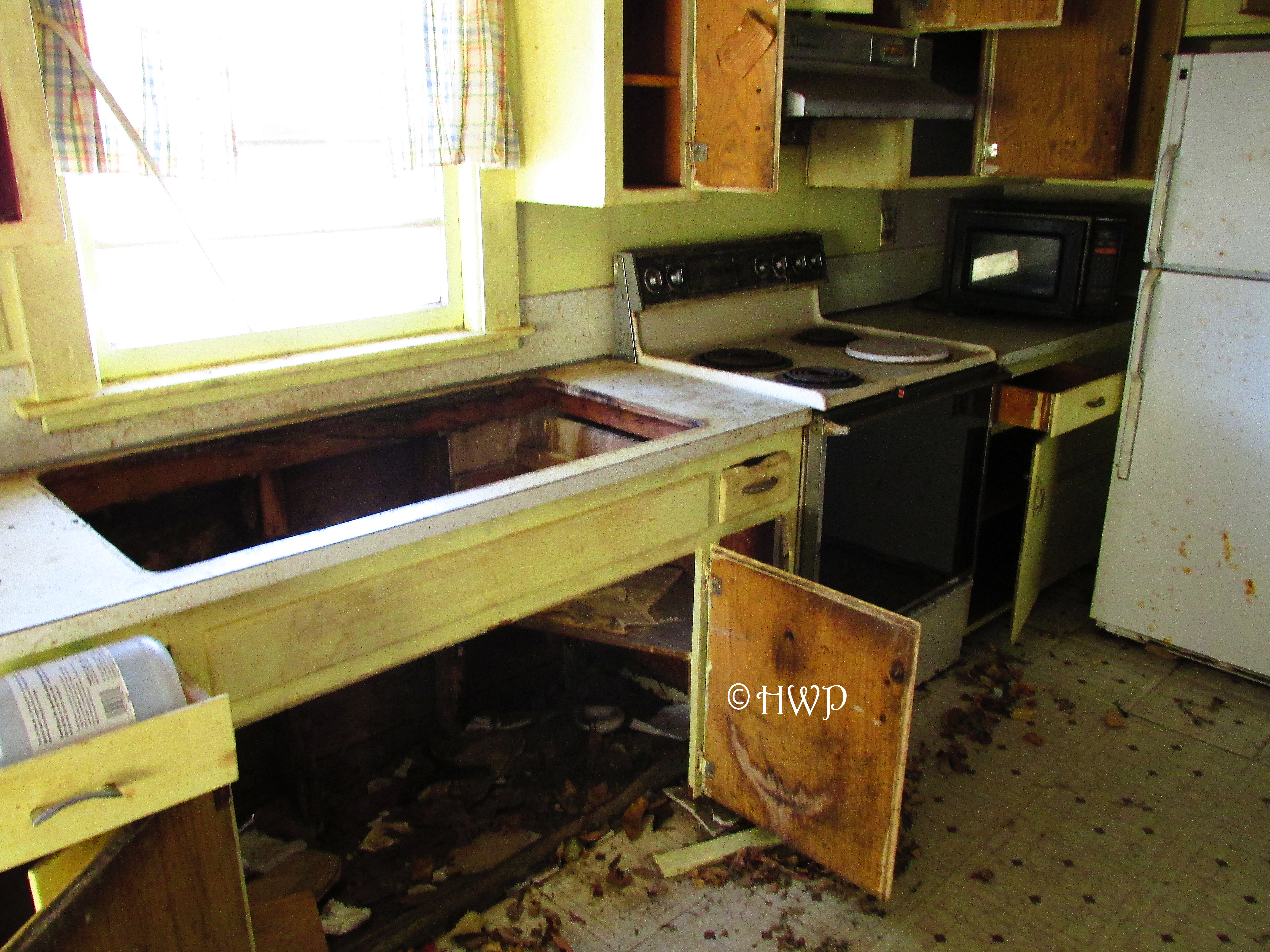
The front door of the house was wide open. Inside, it was quiet as a tomb. The front door entered right into the kitchen, which had been completely gutted. A few items of liter lay strew about. The old stove was curiously still there and in good shape. We actually found very little evidence of vandalism in the house. There was a couple graffiti designs tagged in one of the rooms, but that was about it. The rest of the house was empty. There were several large dark rooms, but pretty much everything had been cleared out. We were unable to find any entrance to the upstairs, and the house did not appear to have a basement. We did find a haunting clue as to who might have been the final occupant of the house: an old cane still stood in what appeared to be the family room. A yellowing copy of the Lord’s Prayer was still tacked to the wall. And judging from the modifications to the house’s bathroom, an elderly person once dwelled here. Perhaps their spirit still haunted these dark hallways.

They say that there is a peaceful feeling in letting go. It is that moment, when you just can’t hold on anymore, that you find a relative peace. Perhaps it is the fact that the pain is gone. Perhaps it is in the realization that you don’t have to fight anymore. Personally, I believe it is the moment when you are finally ready to move on. And sadly enough, the town of Hebron, much like the family of whoever once lived here, seems to have moved on. This old house has been lost, leaving it to be slowly engulfed by the surrounding forest. But there is a peaceful feeling amongst all of this. While the old house slowly disappears, the town continues grow and flourish. What was once a home to man, now have become the home to nature. And we can only hope that over time this old house, much like its former residents, can finally rest in peace.

For more photos please visit Abandoned Wonders on Facebook! We would love if you liked our page and liked, shared, and commented on your favorite photos! Enjoy!

Fortress of Solitude – The Abandoned Fort Mansfield

Posted: March 19, 2015 by Hidden Wonders Photography in #postaday, Abandoned, Abandoned Attractions, Abandoned Forts, abandoned military bases, abandoned new england, Abandoned Rhode Island, Abandoned USA, Abandoned Wonders, Beaches, Bird Watching, Birds, Broken, Closed, darkness, Destruction, Exploration, exploring the abandoned, Forgotten, forgotten beauty, Fort Wetherill, Fortress, Forts, Ghosts, Graveyard, Haunting, Hiking, History, Information, left behind, lost, Military, Military Forts, Mystery, Napatree Point, nature, new england, nightmares, Ocean, Ocean View, overgrown, photography, Public Parks, research, Rhode Island, Ruins, Safety First, Searching, seaside, Stories, time, Uncategorized, Urban Decay, Urban Exploration, Urban Exploring, Urbex, writing, WWII
Tags: , , , , , , , , , , , , , , , , , , , , , , , , , , , , , , , , , , , , , , , , , , , , , , , , , , , , ,

Fortress of Solitude

The Abandoned Fort Mansfield

Written by: Sean L.

Photographs by: Amanda H.

   The waves of the ocean crash up against the sandy shore. Fierce gusts of wind shriek through the tall sea grass. Packs of white gulls soar overhead, cackling and cawing to each other. The sun shines powerful and radiant in the sky. The deep Atlantic water is an enchanting shade of bright blue. This is Napatree Point, Rhode Island. And somewhere, lost in the vegetation of this place, lays an abandoned military fortress. The ramparts crumble as they slowly succumb to the barrage of time. Dark and empty corridors are haunted by the ghosts of the past. What once served as the first defense of the American homeland now lies in total silence. This is Fort Mansfield, forgotten by some and a legend to others. Unlike one of the other famous abandoned military forts in Rhode Island, Fort Wetherill (see our write-up here), this former coastal artillery instillation has been all but lost to the white sands of Napatree Point. Located in the village of Watch Hill, Fort Mansfield was one of our most difficult treks, but also one of our most rewarding discoveries.

Fort Mansfield has called Napatree Point home since its creation in the early twentieth century. The point is a small piece of land branching out from the town of Watch Hill. The United States military first purchased the property in 1898, as part of a new program to install artillery batteries all along the coast of New England. Though it may not have as rich of a history as Fort Wetherill, Mansfield does have a much sadder story than its legendary cousin. The fort was officially commissioned in 1902. However, during the war games of the early 1900’s, a fatal flaw was discovered in the fort’s design. The guns of the fort would be unable to repel a head-on assault from the sea, and it would be an easy target for an amphibious assault. Thus, the fort was decommissioned from active status in 1909. Over the years, the garrison of the fortress slowly dwindled as the military lost all interest and faith in it. The land was finally sold back to the town of Watch Hill in 1928. The fortress has remained abandoned ever since.

Having heard whispers of Fort Mansfield in the past without ever finding much information about it, we decided to go searching for it during the fall of 2014. As a burrow of the town of Westerly, Watch Hill is quite the summer hotspot, but it goes quiet during the offseason. Napatree Point is perfectly legal to walk, except for the handful of beachside bungalows at the very beginning. There is a nice little parking lot that is free to park at right in the middle of downtown Watch Hill. After parking, we began our walk down the point. There is beach on either side of the point, with thick vegetation in the middle. This is also a bird sanctuary during the summer nesting season. It is roughly a little over a mile to the very tip of the point. It is also fiercely windy due to the proximity to the ocean. The early stages of the point are decently trafficked by beachgoers, but the end of the point is deserted. After a long time combing through the point’s thick grass, we finally came upon the abandoned fortress.

This slideshow requires JavaScript.

The fortress is comprised of two sections: one part contains the first two artillery instillations and the second section is a brief walk away containing the third instillation. There were once a few buildings here, but they have long since been demolished. The first section is a pretty good size. Though it is not as covered in graffiti as Fort Wetherill, Fort Mansfield is still pretty vandalized. Lots of tagging covers the walls, and there is plenty of liter down in the lower tunnels. The local fire department had put up some fencing around the outer walls of the fort to prevent visitors from getting in, but they are quite easily bypassed via a few still functioning ladders and former staircases. Several metal slabs have also been placed over certain points. Except for the blistering gusts of wind, this place is completely silent. There are several entrance points down to the lower levels. Since the front walls have been knocked out, there is a decent amount of light down here. The floor is also completely flooded in certain rooms from years of rain and high tides.

This slideshow requires JavaScript.

The second section of the fort is a brief walk down an overgrown path. It sits on the very edge of Napatree Point, giving an excellent view of the Rhode Island coastline. It is much smaller than the first section of the fort, and is much more difficult to see. Tall sea grass and vegetation keep it very well hidden. The graffiti here is actually much more light hearted than the first section. At the very top of the fort, there are a couple of small staircases leading up to what must have once been look out posts. They provide excellent cover from the merciless wind. Unlike the first section, there are no barricades or fences to deter visitors here. Down to the lower levels, there are several large empty rooms. They are in complete darkness, yet they are completely empty save for the trash of vandals. Someone, or something, is most definitely living here. While exploring the dark passages of the lower levels, we heard something moving around in the tunnels. We didn’t stick around to find out what it was.

This slideshow requires JavaScript.

Though it is a bit of a trek and can be difficult to find if you don’t know where to look, Fort Mansfield is definitely worth a visit. Unlike the legendary Fort Wetherill, this abandoned base is not home for teenage destruction and vandalism. Because of its remote location, the fort is only enjoyed by those who are willing to make the journey. The fierce winds and the hot sand make it a tough trek, but the fort is more than worth it. While the coastal town around it continues to grow and flourish, Fort Mansfield continues to stray out of thought and time. It is the ruins of a fortress that never got to be. Its run as a coastal artillery unit was cut tragically short by a fatal flaw. Now the land weeps, haunted by a purpose that it never got to fulfill. It is truly a fortress of solitude; quiet and alone, but still standing guard over its former territory.

View on the walk back