
Into the Cages
The Abandoned Shade Swamp Shelter
Written by: Wilk
Photographs by: Lassie
I have always hated seeing animals in cages, for as long as I can remember. Few things in life make me sadder than that. As a kid, I never liked going to the zoo or even the aquarium. Whereas most children found seeing the animals to be quite a fun and exciting experience, I felt only despair. Seeing what was once a wild animal trapped inside a cage always brought about feelings of sadness and anger. I can’t really explain it. I mean, not all cages are bad. Zoos aren’t the only ones to keep animals in cages. Animal shelters and rescue facilities keep their residents in cages, but for better reasons. Healing of injured animals or protecting endangered ones are a noble task indeed. But still, the thought of freedom being taken away is a dark one. And the image of cage can be a frightening one, especially when its been abandoned for many years.
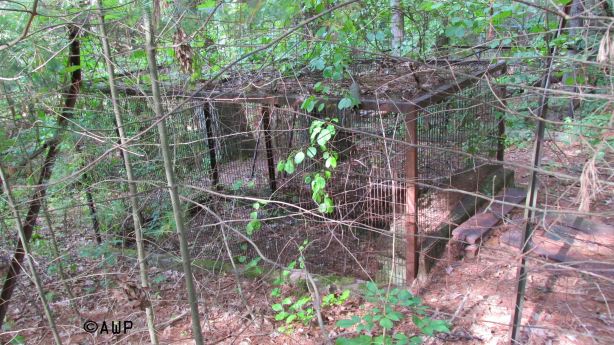
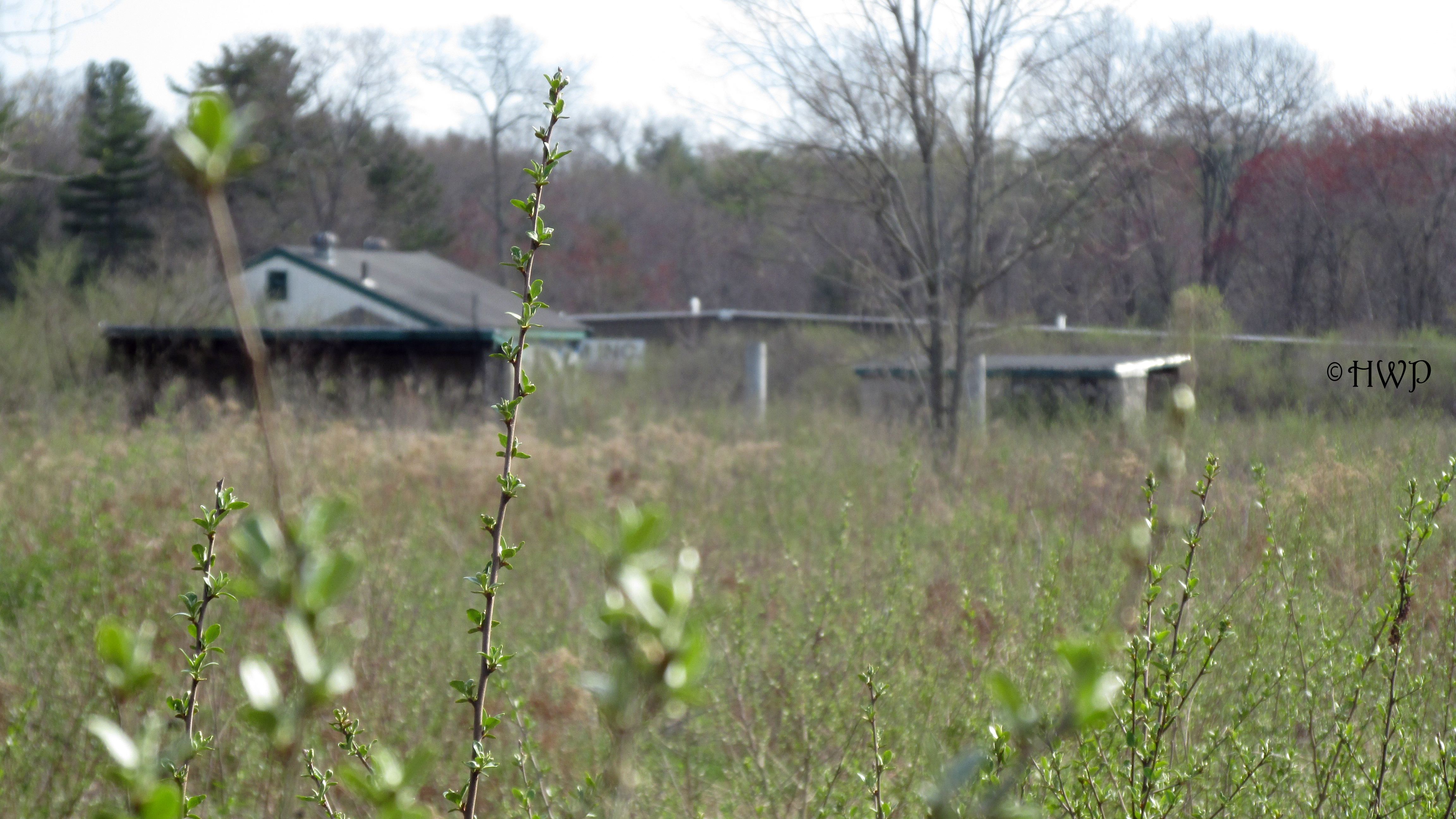
Our subject of this piece is a peculiar one: the abandoned Shade Swamp Shelter in Farmington, Connecticut. It is a far cry from most of the pieces we have done on here. First established in the early 1930’s, the purpose of the shelter has varied over the years. The rustic log shelter that has since become its signature was originally designed and built by the historic Civilian Conservation Corps. It has ranged from being a roadside attraction to being a wildlife sanctuary. One of its nobler pursuits was being home for wildlife rehabilitation. The sanctuary was based in the Shade Swamp, and featured a variety of enclosures for injured wildlife. It sadly went under during the 1960’s, and has been more or less abandoned ever since. A stroke of luck, however, came in 1986 when the shelter was officially listed in the National Register of Historic Places.
We made the trek to the abandoned shelter in the waning days of summer 2016. The heat was beginning to die down, and the first glimpses of the fall season were just sprouting up. Sitting alongside the heavily trafficked US 6 North, the Shade Swamp Shelter is not difficult to find. It is almost hard to believe what is hidden back there when you first see it. The area surrounding it is teaming with traffic, busy intersections, and office buildings. But here in the swamp, everything is quiet. Upon arrival, there is a small pull-up spot where a few cars can be parked. Luckily, we were the only visitors there that day. You are then greeted with the old structure of the shelter itself. Though it has clearly been taken care of, there is also sadly evidence of vandalism and a recent fire inside of it. Given its age though, I’d say she looks pretty good. But it is further down the trail that the true hidden gems of this place lie.
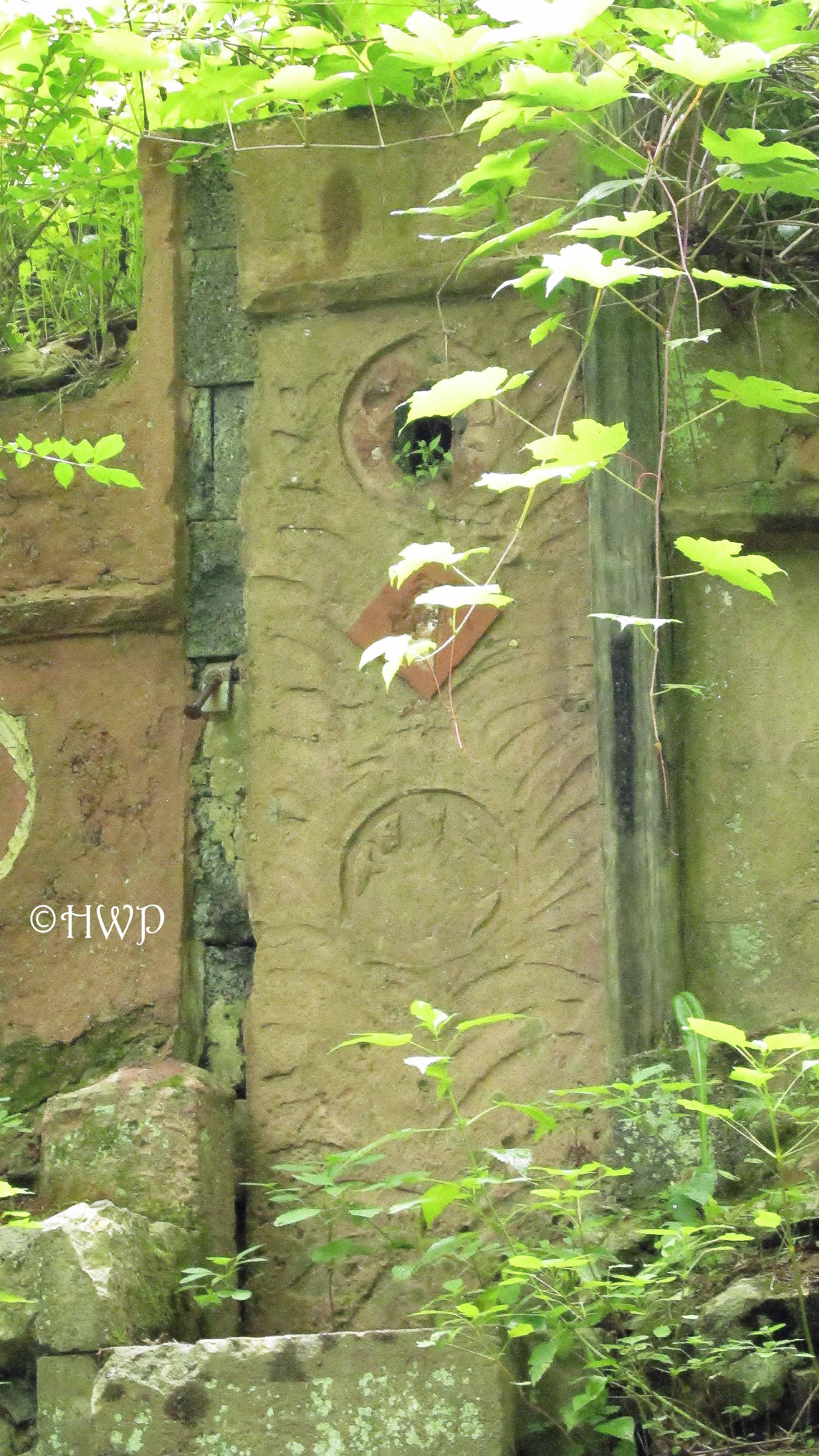
A short walk down the winding and nearly overgrown nature trail, we found the cages. Rusted to all Hell and in varying ranges of decay, there are nearly two dozen large pen cages lining either side of the trail. The ones on the right side are smaller, and feature stone dens at the back. The ones on the left side are much larger and have blue painted exteriors. Off the beaten path there is one bigger enclosure that is far different from the others, and was in the worst shape. The rusty fence is still up in a few places, and a few gagged pieces of metal are still nailed to a few of the trees. Be careful where you step. The trail will lead you further into the swamp, but circles back in one big loop. After the cages, you will find a few old relic from the sanctuary’s heyday, but nothing truly of note. The strange aura and mystique of these large abandoned enclosures are enough of a sight to see. You can even set foot inside a few of them, if you are brave enough.
What is it about cages that make them so unsettling? Is it the thought of being trapped with nowhere to hide? Or is it something more? Perhaps the very notion of that precious freedom that we all seem to take for granted being taken away is what makes them so unsettling. Anyhow, the abandoned Shade Swamp Shelter is a great visit for anyone looking for a good hike and adventure seekers. There are no abandoned buildings or asylums here: just the remnants of a place long forgotten. It literally sits a few meager yards from a hustling and bustling community. But everything is silenced by the aura of the swamp. Chipmunks and birds roam freely here, making their homes into these old enclosures. Their world is seemingly untouched by ours out here. And though these cages now sit empty, they stand as a grim reminder of what was and what could have been.












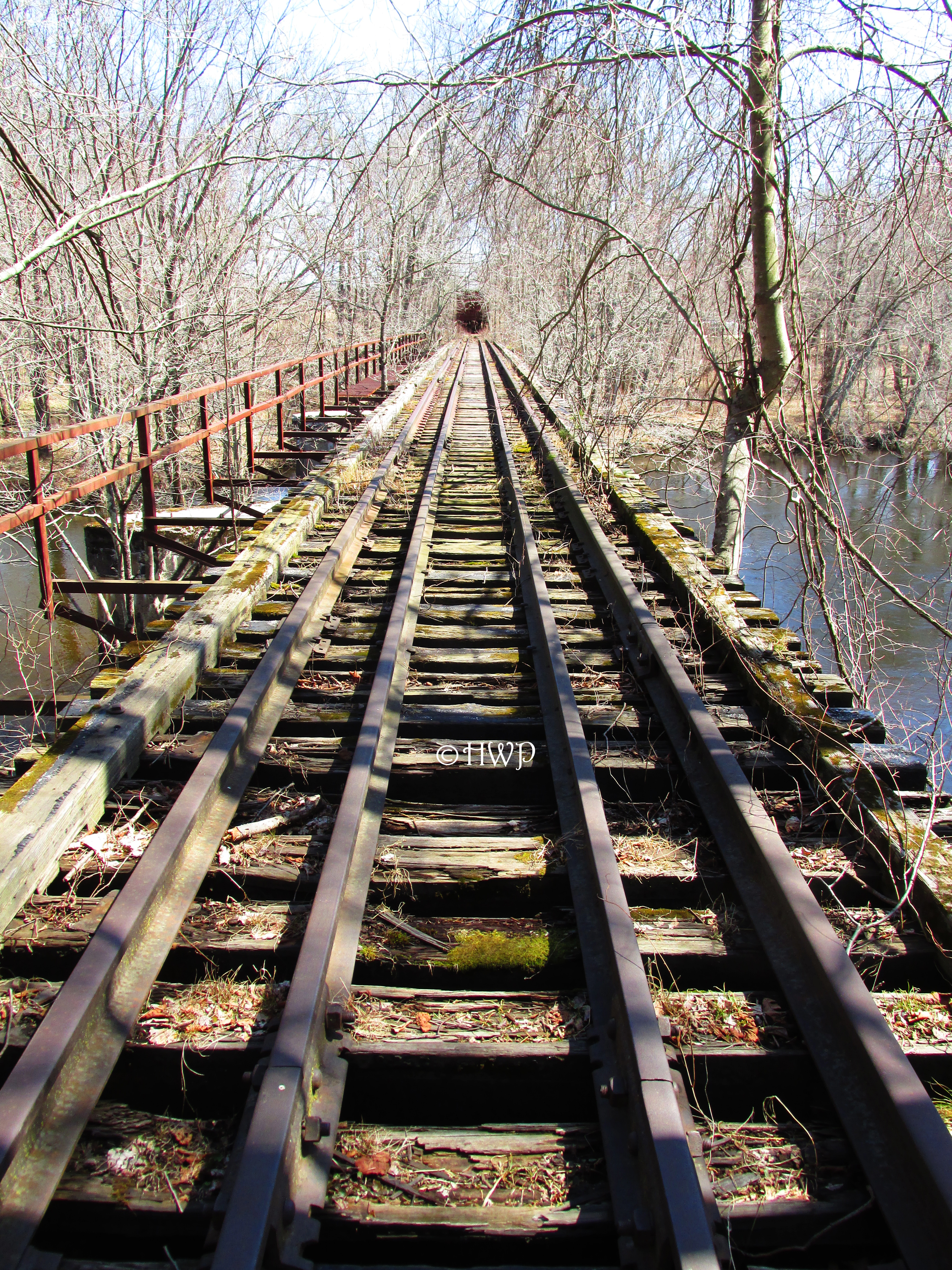

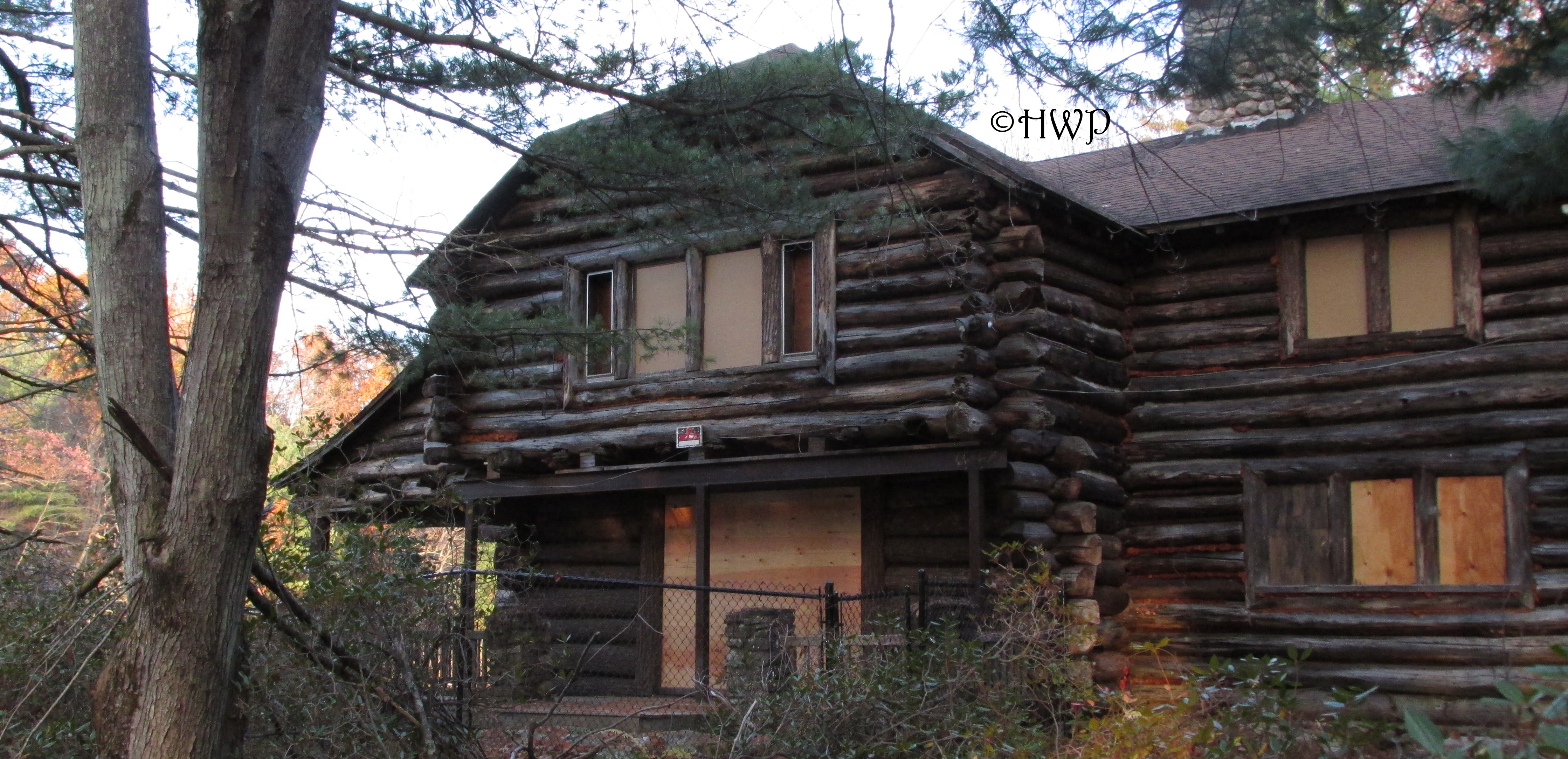

 celebrated here during the roaring twenties, and the family commonly lived here during the summertime. But much like the summer beauty, the prestige of this wondrous place eventually waned. The prestige of the family slowly came to end, and the summer home was eventually left behind. The Case family remained a powerful and successful family until the 1960’s, when their company was bought out. Over the last few years, their former land has been steadily acquired by the town of Manchester as part of an initiative to create more open and recreational space for town residents.
 Case Mountain Recreation Area is a large town park located in Manchester, CT, just over the border of Bolton/Glastonbury. It is commonly used today by locals and visitors from all over the state for walking, hiking, and kayaking. The focal point of this park is Case Pond. It is a small body of water with several little streams flowing into it. Along one side of the pond are a series of large houses. Most of them have little boat houses or docks along the banks of the pond. On the other side, is Case Mountain Recreation Area. This area was made possible due to land donations and conservation from the town of Manchester and from several families in the area. The town of Manchester purchased several acres for the recreation area a few years ago. Included in that purchase, was the former Case family summer home. Most recently, the cabin was the setting of an independent horror film entitled Animal. The film starred Joey Lauren Adams (Mallrats) and Keke Palmer (Akeelah and the Bee).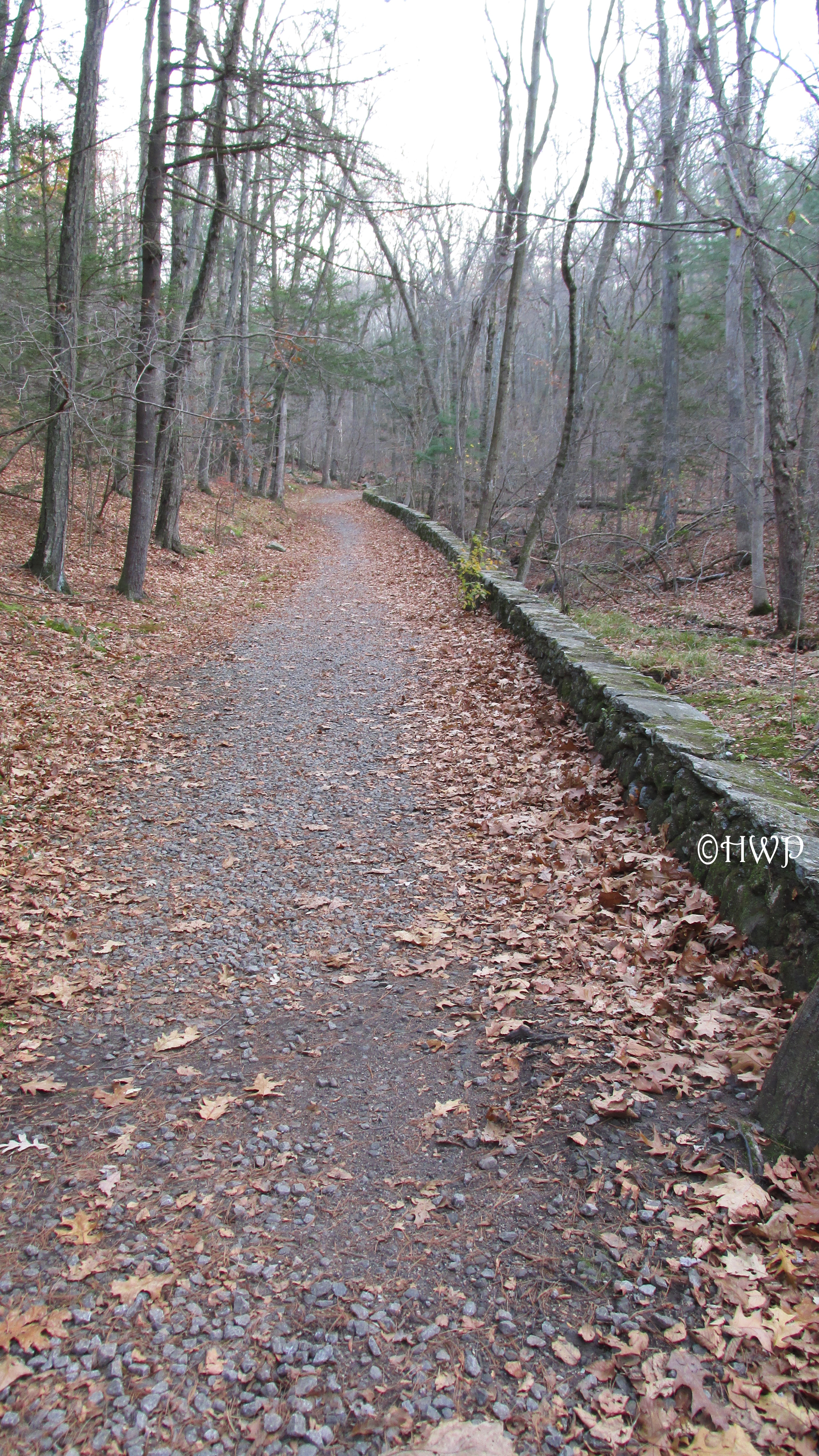





 Abandoned Wonders