Archive for the ‘WWI’ Category

War & Pieces – The Abandoned Fort Stark

Posted: August 23, 2023 by kingleser in #postaday, Abandoned, Abandoned Attractions, Abandoned Connecticut, Abandoned Forts, Abandoned Island, Abandoned Massachusetts, abandoned military bases, abandoned new england, Abandoned New Hampshire, Abandoned New York, Abandoned Park, Abandoned Pennsylvania, Abandoned Places, Abandoned Prison, Abandoned Rhode Island, Abandoned Tower, Abandoned Tunnel, Abandoned USA, Abandoned Vermont, Abandoned Wonders, Art, Beaches, Broken, Closed, darkness, Death, Destruction, empty, Exploration, Forgotten, Fort Wetherill, Fortress, Forts, Haunting, Hiking, History, Information, left behind, lost, Military, Military Forts, Movies, Mystery, nature, Navy, new england, New Hampshire, Ocean, Ocean View, photography, Preserved Ruin, Public Parks, research, Ruins, seaside, Stories, time, Uncategorized, Urban Decay, Urban Exploration, Urban Exploring, Urbex, writing, WWI, WWII
Tags: , , , , , , , , , , , , , , , , , , , , , , , , , , , , , , , , , , , , , , , , , , , , , , , , , , , ,

War & Pieces

The Abandoned Fort Stark

Written by: Wilk

Photographs by: Lassie

Hello, New Hampshire. It’s been a long time. Three years, in fact. A lot has changed. The global pandemic has mostly come to an end. We’ve grown a bit older. The summer has become hotter. Things aren’t what they used to be. This year has been a crazy one for us for a lot of reasons. And that has honestly been reflected in the kind of places we’ve been exploring. Due to some career changes, both Lassie and myself found ourselves having almost the entire summer off. Something we haven’t really ever experienced before as grown adults. With no school to teach during the summer for her, and SAG-AFTRA on strike for me, we found ourselves with quite a bit of free time these last few weeks. So this has been what we have come to call “The Summer of Madness.” There’s been a lot of spontaneity. There’s been a lot of fun. But most of all, there’s been a lot of traveling. Places we’ve never seen before. Places we’ve always wanted to see. And some places that we haven’t been to in a long time. And that’s where The White Mountain State comes in. If you look at our treasure map here on our site, New Hampshire is the one state here in New England that has only one place on it. Well, this summer, we chose to finally change that.

And so, if you please, allow me to introduce to you the latest addition to the Abandoned Wonders family – the abandoned Fort Stark. Located on the far eastern side of New Castle, New Hampshire, this old warhorse has a long history. Named after local colonial war hero General John Stark, the fort has served a small role in each of The United States of America’s great military struggles. But her purpose has always been clear: defend the Portsmouth Navy Yard and the strategically valuable Piscataqua River. Garrisons and guns crewed the fort during the Revolutionary War, War of 1812, American Civil War, Spanish-American War, World War I, and World War II. But strangely enough, despite her decorated line of service, she never saw combat. I suppose we should all be thankful for that, in one way or another. As the tides of war turned cold, the watchful guardian Fort Stark was deactivated in 1948. Her main guns found new homes in more hostile parts of the world and the grounds were turned over to the US Navy. Though they spent some time as a training center for reserve forces, the fort’s fate was more or less sealed. In 1983, the state of New Hampshire took control of the grounds and the once great Fort Stark was no more.

And so in the waning days of summer 2023, we had yet another spontaneous trip. On a Sunday afternoon we randomly got an invite to visit some family up north, and two hours later we were in New Hampshire. Believe it or not, abandoned places are rather scarce up in The White Mountain State. There are plenty of abandoned farm houses and factories lost to the wilderness. But few of these places have a story. And if you know anything about us here at Abandoned Wonders, it’s all about the story for us. We chose this place because it’s honestly been a long time since we covered anything military related. Having seen so many Nike Missile Sites during our early years, military stuff just got boring after a while. We figured now was a good time to revisit the subject. So, with a couple family members tagging along with us, we set out on our trek to the abandoned Fort Stark. On our drive over, we just happened to pass by the legendary “Alcatraz of the East”; aka the abandoned Portsmouth Naval Prison. Haunting in her majestic beauty, we may be coming back this way someday to see her more up close. We’ll see…Anyway, the remains of the fort sit right alongside a moderately trafficked beach and recreational area.

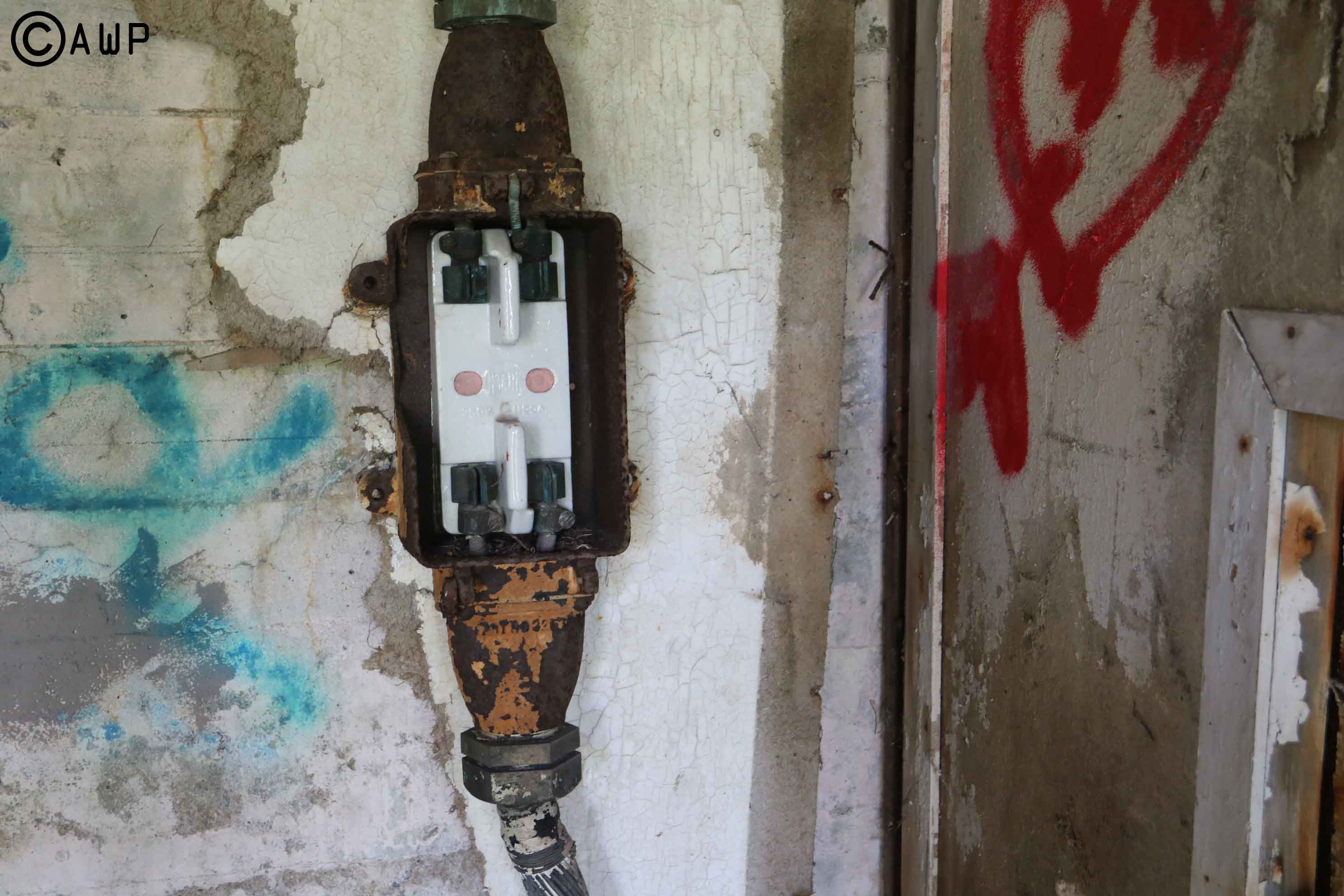
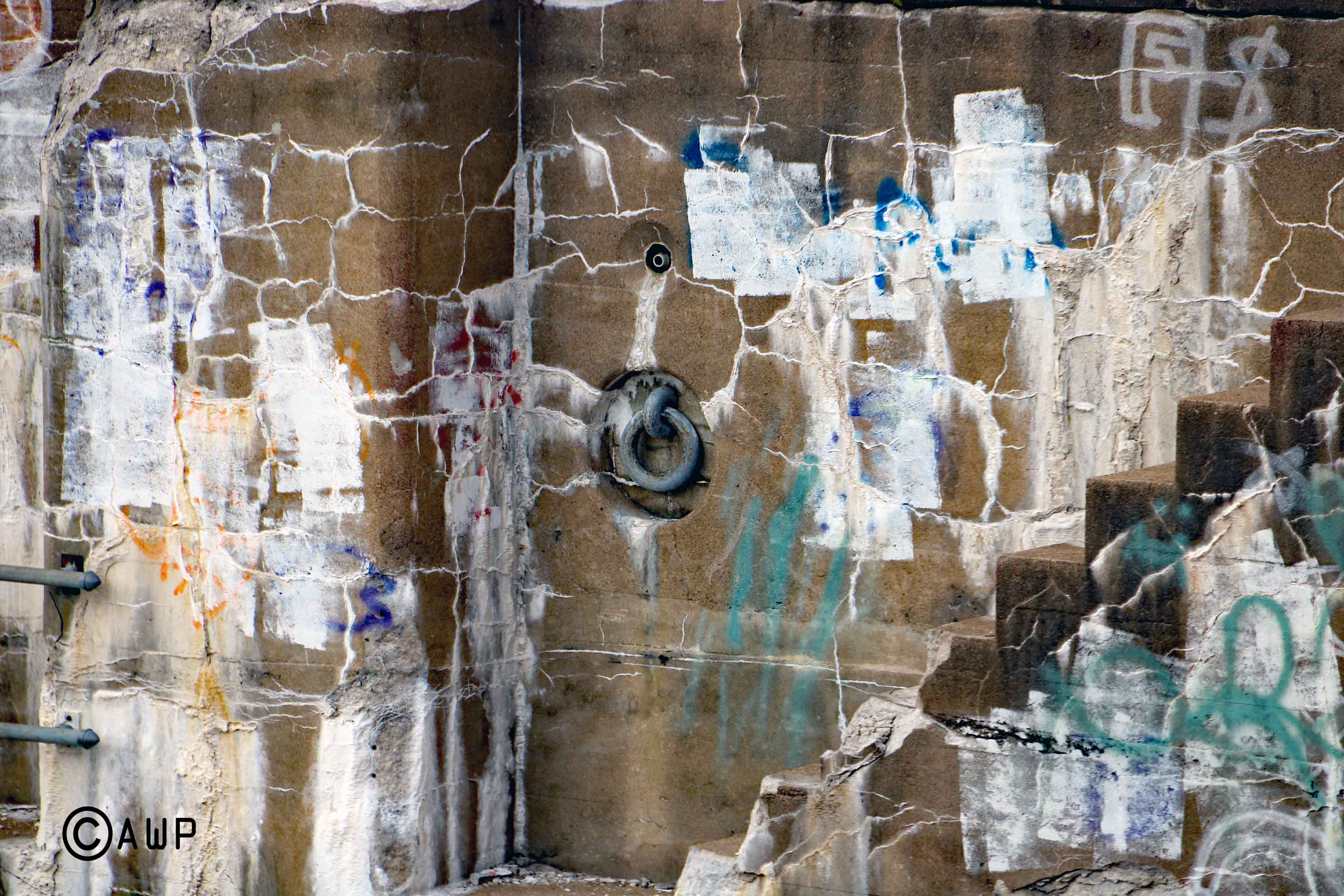
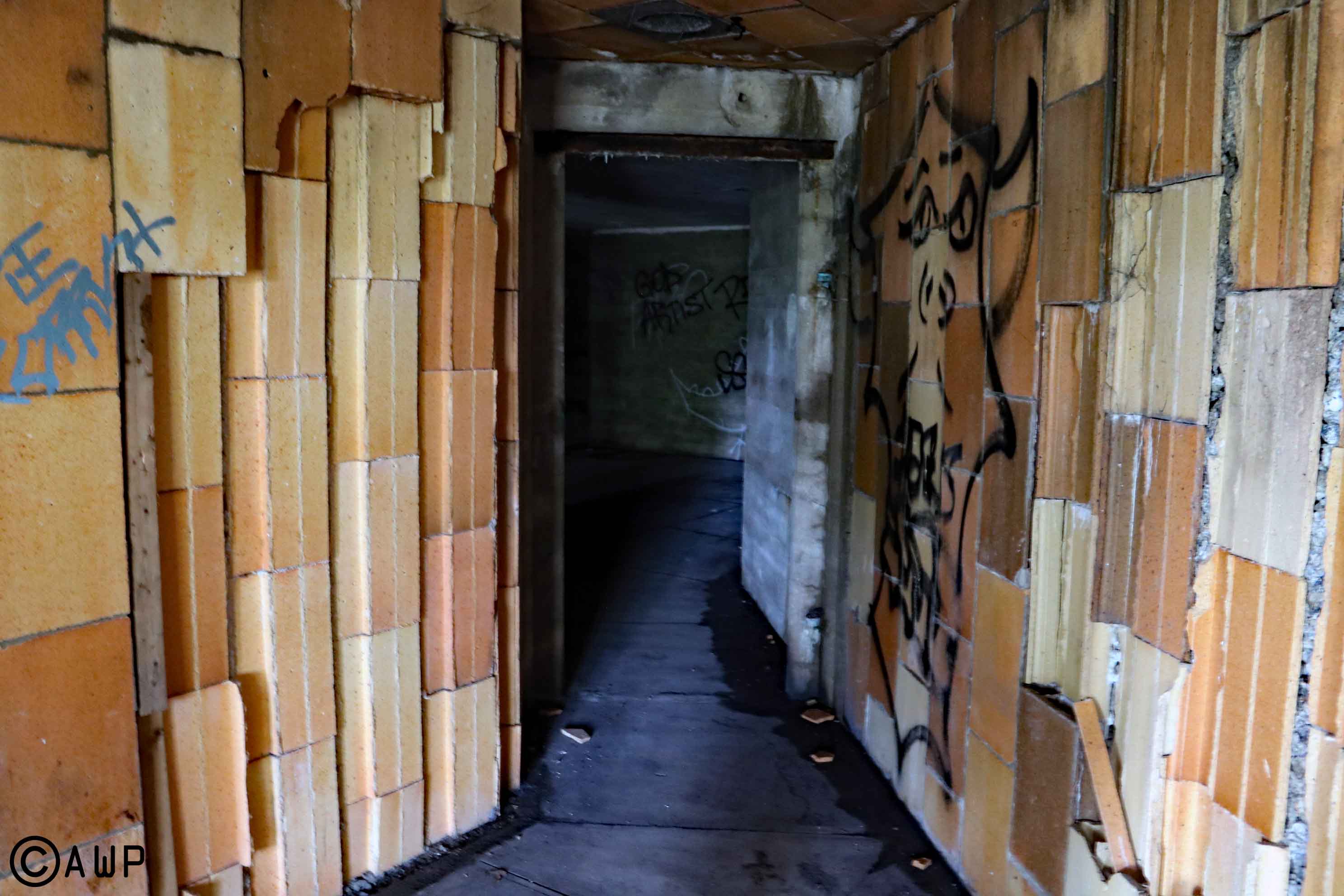
There is no long hike or hunt for this one. Much like many other abandoned coastal artillery sites that have been converted to recreational areas, you just drive up to the parking lot and there’s your target. When the state took control of the grounds, Fort Stark was modified just enough to make it safe for the public. So basically the only things left are those that were too expensive to demolish. At the center of the grounds is the old Harbor Entrance Control Base, installed prior to World War II. It is an austere layered building with a grim white paint job. The main battery sites, Battery Hunter and Battery Lytle, sit on either side of the base. Each is in a varying state of decay and has a pillbox-style lookout post at the top. While most of Fort Stark is fenced off, these fences honestly don’t do much. Almost every single one has a gaping hole in it, making the fort completely accessible. Strangely enough, wherever there is a whole in the fence, one of the fort’s heavy steel doors is often busted open. There are multiple dark passageways leading deep into the underbelly of the old base. Some rooms still have their unique features, such as a brick fireplace, left behind. Other are simply black voids or passageways leading to nowhere.

In all honesty, there is not too much to see here. Unless you’re a military history buff, I honestly wouldn’t recommend a visit to Fort Stark. Though the tunnels are quite interesting and certain areas of the fort are well preserved, this place is sadly a shadow of its former self. Leo Tolstoy once famously said, “the strongest of all warriors are these two: Time and Patience.” And while the cruel hands of time have regrettably run roughshod over the fortress, her patience has paid off. Though she never saw combat, Fort Stark clearly served her purpose with honor and dignity. The grounds may be crumbling, but the people she once protected now get to enjoy her beaches with their families and friends. The concept of war may never change, but the ways in which we fight it continue to evolve. In the days of nuclear arsenals and cyber-warfare, places like Fort Stark have more or less outlived their purpose. Her days of standing guard and keeping a weather eye on the horizon are over. Rest now, fallen soldier. You stood without fear in the face of countless enemies. You defended the gates of New England during all times of war. You followed any and all orders you were given with the utmost loyalty. And for that, we salute you.

Illumination

The Abandoned Columbia University Instrument House

Written by: Wilk

Photographs by: Wilk

“In Lumine Tuo Videbimis Lumen.” This is the official motto of New York’s Columbia University, one of the most prestigious educational institutes in all of the United States. And in true educational institute fashion, this phrase is Latin. The translation is “In thy light shall we see light.” Believe it or not, this comes from straight from the Bible. What this official university motto is supposed to inspire has often been debated. Most scholars agree that this is a calling to find God’s light and move forward in faith. Others have said that this pertains more to always seek knowledge and truth in whatever you pursue. As a non-religious person, I agree with the latter. Knowledge truly is power. Especially in 2022. In a world full of clickbait and misinformation, it is so important to always be smart and learn what you can when you can. There is so much out there to know and to learn. And sadly, most people just aren’t interested in it. They are content just believing what they are told to believe, think what they are told to think, and buy what they are told to buy. That’s probably why our world has become as tribal as it is. Think for yourself and always seek knowledge. I am no student of Columbia University. In fact, I attended a much lower tier Connecticut state university for my degree. But that is how I interpret the motto of this prestigious institute. Oh, and by the way, did you know that Columbia University once had a satellite campus here in Connecticut? Talk about a segue.

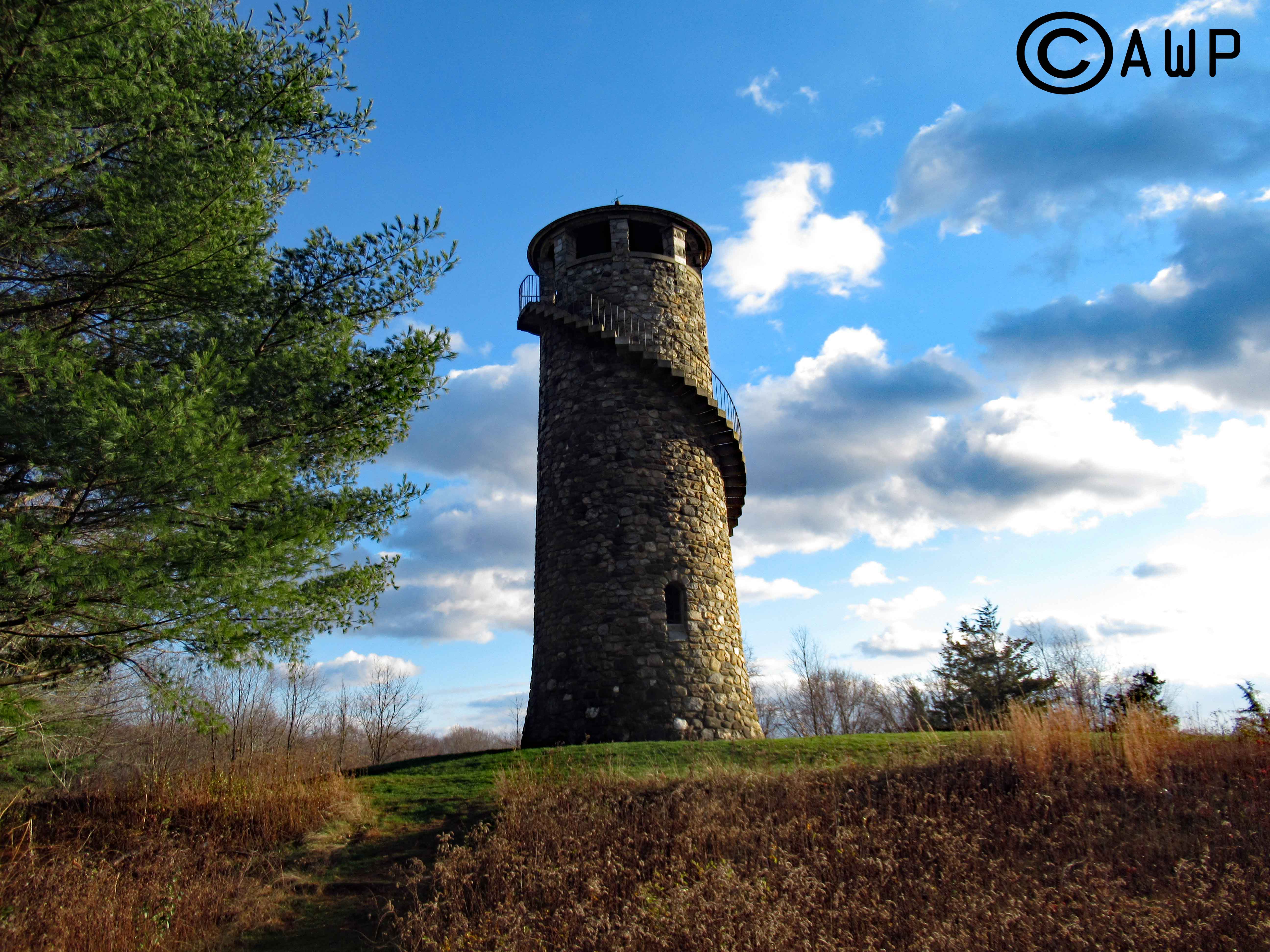
That’s right. A long time ago, in a town most people have never heard of, Columbia University once had a presence here in the Nutmeg State. Our story begins in the late 1800’s, in the town of Morris, Connecticut. Located in the beautiful hills of Litchfield, the town attracted the attention of Columbia University’s Engineering School. Slowly but surely, the school began to migrate it’s summer classes over to the small and affluent community. And in 1903, they finally purchased a plot of farmland with the intention of establishing a rural summer campus. Thus it was christened as Camp Columbia. Over the years, the small campus grew in size and shape. Every summer engineering and surveying students studied their chosen crafts amongst the quiet community. During the First World War, students intent on joining the Officer’s Corp got first hand military training. The now famous observation tower was constructed several years later as a gift from the Class of 1906. According to local legends, Dwight D. Eisenhower once used the campus as a hunting ground and the New York Giants held several practice sessions on the campus sporting fields. But prominence during the 1950’s eventually led to a massive decline during the next two decades. With a changing culture, interest in the campus’s structure and program decreased drastically. And in 1983, Columbia University was finally forced to close up shop and sell the land. What remains now resides in Camp Columbia State Park.

We weren’t entirely sure we were going to have an article ready for this quarter. I have been more busy with movies in the last few months than I ever have been in my entire life. And Lassie has been equally busy working as the best damn educator in the state. While we greatly enjoy our success, it hasn’t left much time for exploring. Plus, our host site (WordPress) keeps becoming increasingly uncooperative and difficult to use. It may be time to migrate to Squarespace…but that’s neither here nor there. Speaking of movies, I had a series of night shoots out in Fairfield County recently. Night shoots are just as much fun as they are grueling. But the funny thing about night shoots is the call times are always very late in the day. So I had some time to kill. That’s right. This was another solo piece, where I went exploring without my partner. I don’t like it any more than you may, but sometimes it’s good to go on an adventure by yourself. That’s how you learn who you really are. And guess what? The old Camp Columbia just happened to be right around the corner from where I was working. With good weather and high spirits, I decided to go take a look. I arrived at Camp Columbia State Park as one of only two other visitors. It is a very quiet and quaint park, that is maintained just enough to keep it walkable. And honestly, these are my favorite kinds of parks. It’s the kind of place that nobody knows about, except for the people that are really going to enjoy it.

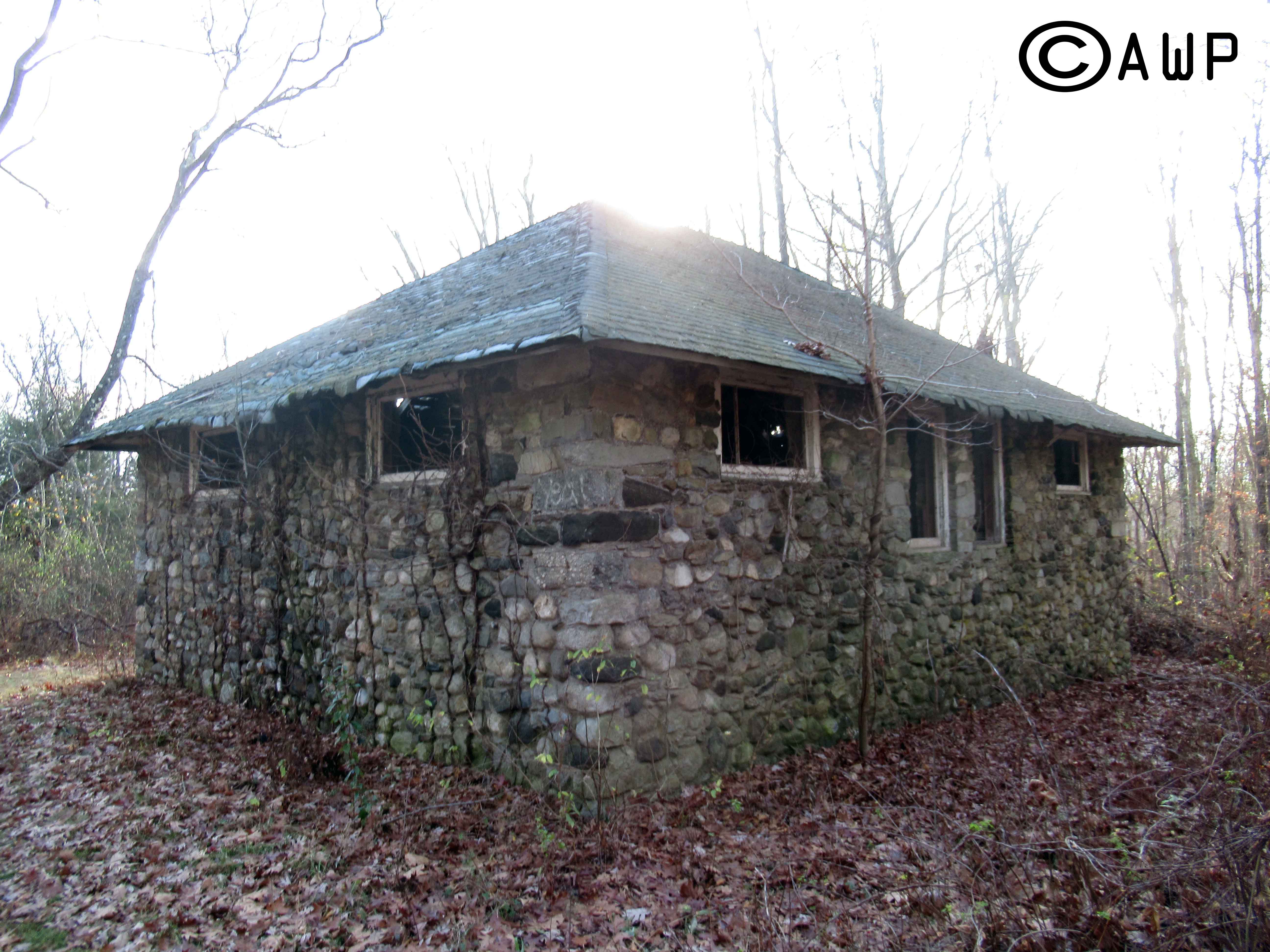
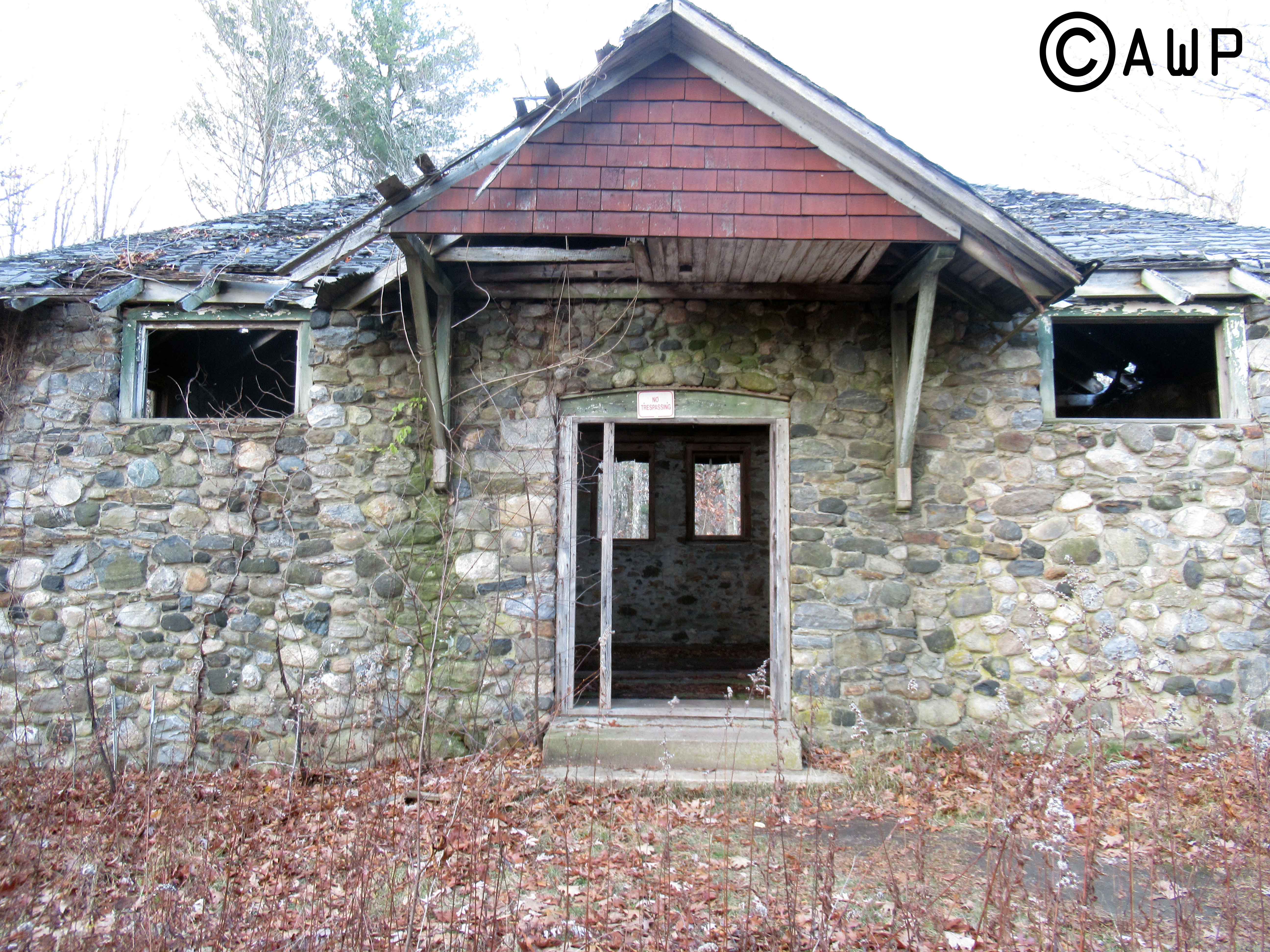
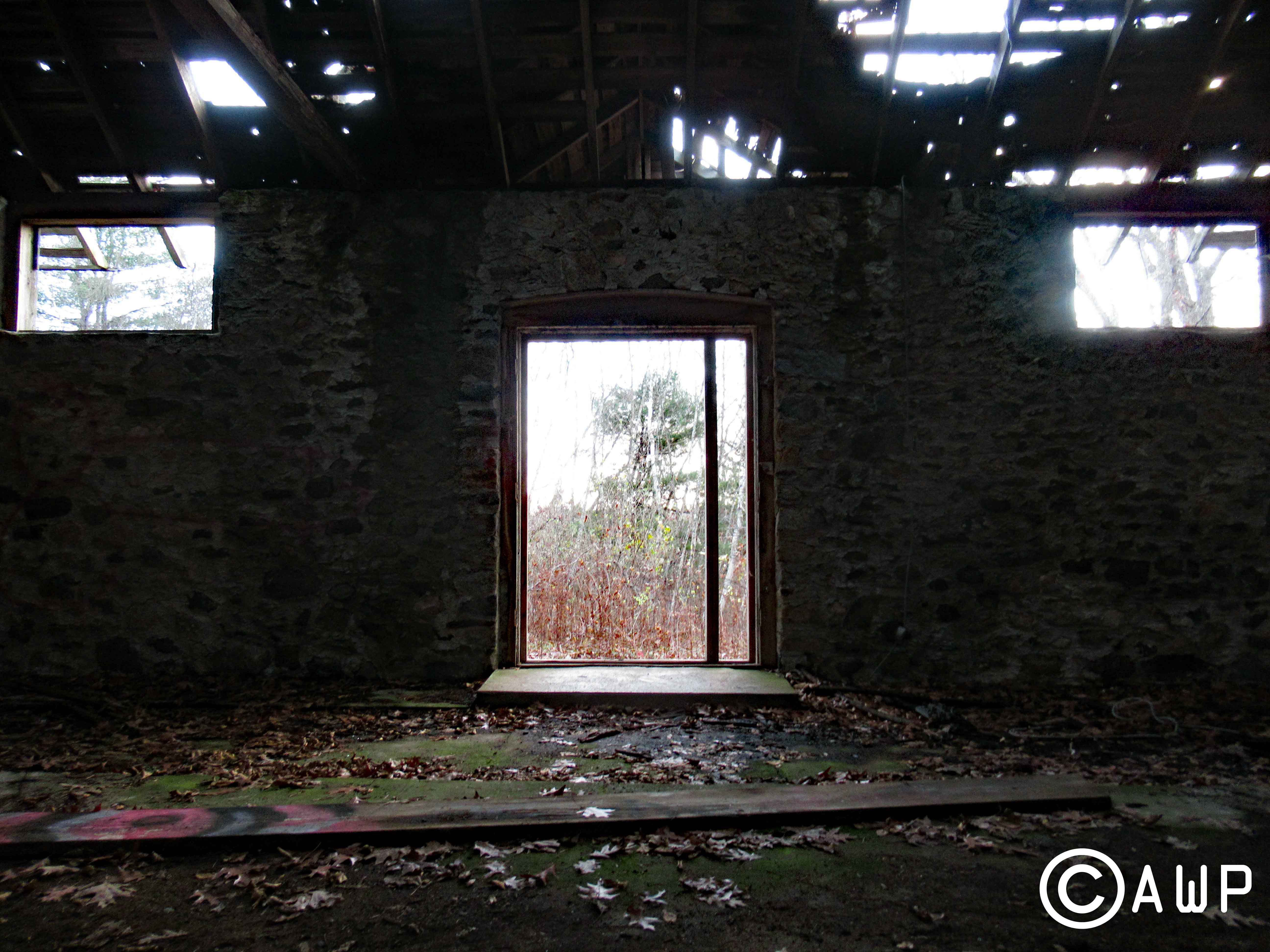
When the state of Connecticut bought the former Camp Columbia, they demolished most of the campus buildings. But not all. The main attraction is known as The Instrument House. This beautiful stone building once housed all of the campus’s surveying instruments and equipment. And while she was clearly left standing for a reason, the years have not been kind to her. The stone exterior is very elegant, but the interior of the house is completely devoid. The wooden roof is slowly collapsing in on itself. Spray painted graffiti is everywhere. Old pieces of lab equipment and such have been scattered across the dusty floor. With that said, it’s still an absolutely captivating structure with a strong foundation. It provides a very nice look back on the bygone era of the former campus, casting a strong sense of prestige and academia. Just like the nearby observation tower. Though not abandoned, the Camp Columbia tower stands very close by to the Instrument House. I was expecting something more along the lines of Scott Tower, but was pleasantly surprised to find the tower in moderately good condition. It definitely has a vandal problem, much like the nearby Instrument House, but it is a nice site to see and provides a wonderful view of Litchfield County. Other relics of the past are scattered amongst the underbrush. An old basketball hoop rusts into oblivion. A team of derelict picnic tables rot into the fertile forest floor. Trails of lead piping pop up across the fallen leaves.

On my travels, I encountered a very nice elderly woman taking her chocolate lab named Libby for a walk. She was kind enough to warn me that there was a hunter in the area, at the corner of the red and orange trail. He was perched in a tree stand, like a coward, and had all of the permits to be there. She checked, and she’s a total badass for doing that. I greatly thanked my fellow hiker for her warning, especially since neither of us were wearing orange, and continued on my walk. I was sure to whistle old classic rock songs very loudly to clearly identify myself as a human being. No deer is going to do that…at least I hope. With the light fading and my time just about up, it was finally time to head back to the car and off to movieland. I honestly wasn’t sure what I was going to find at the abandoned Camp Columbia. But I’m very glad that I got to see it. There’s just a wonderful mix of history and intrigue here. There isn’t much to see in regards to real deal urban exploration, but it’s absolutely worth a look if you’re a history nut like myself. The Instrument House is a haunting relic and climbing the observation tower is a really fun experience. It just goes to show that you never know what’s out there until you go looking for yourself. Sometimes the best journey you can go on is with yourself. And sometimes the most interesting things to learn are in places that you never thought to look. Never stop seeking knowledge. Never stop seeking the truth. Never stop seeking the light.