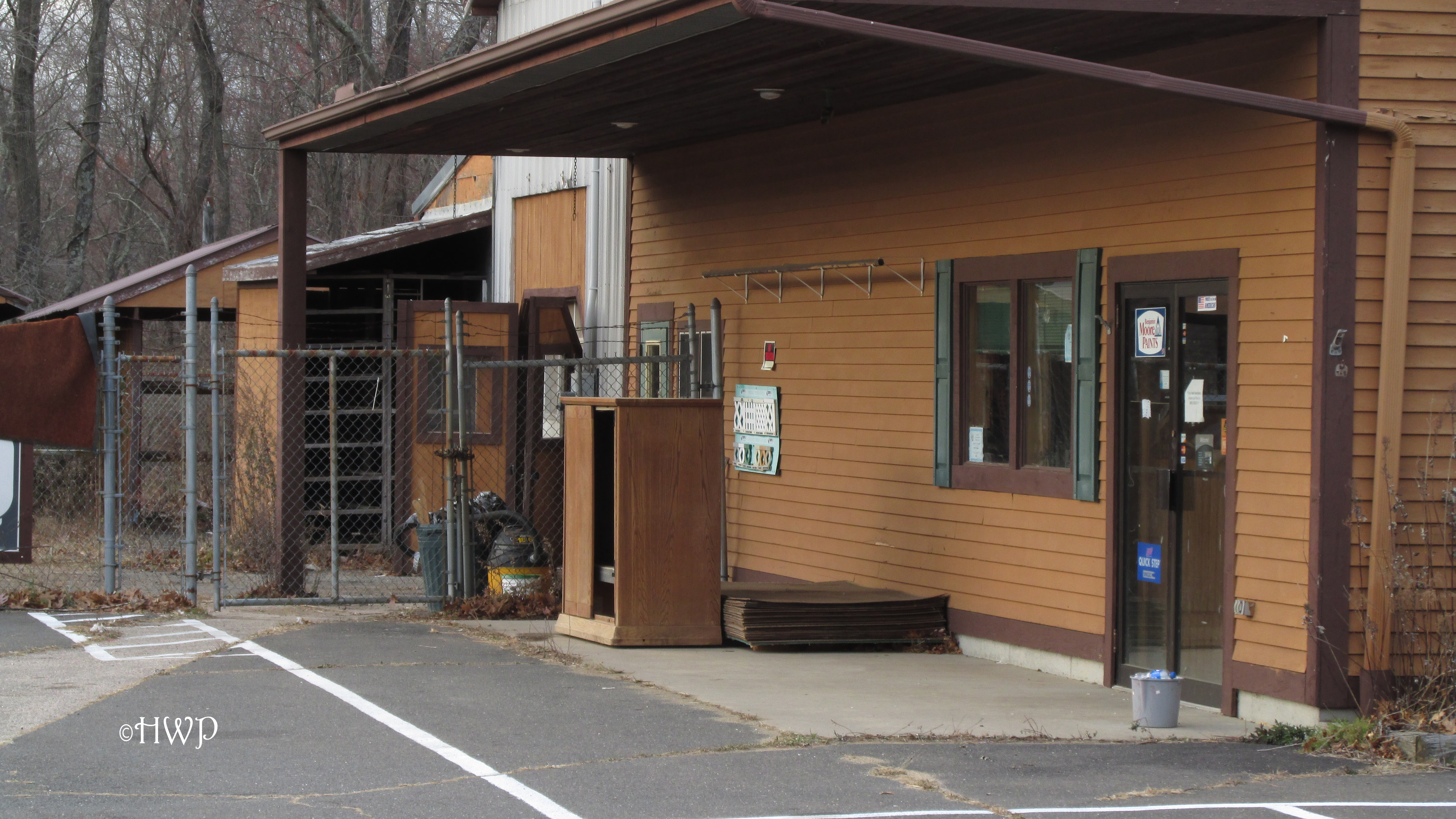
Archive for the ‘fire’ Category

Things We Lost in the Fire

The Ruins of the Norton Paper Mill

Written by: Sean L.

Photographs by: Amanda H.
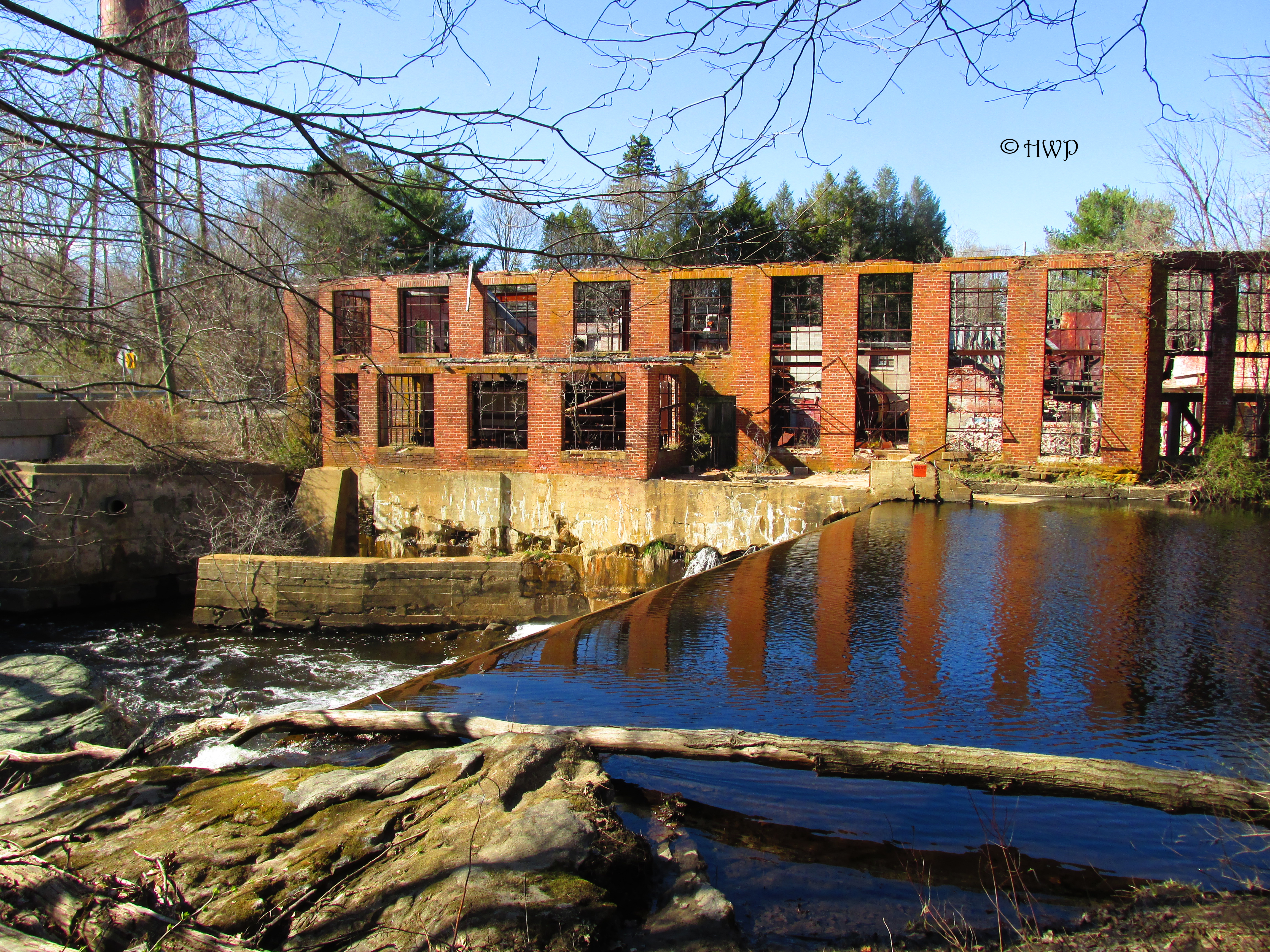
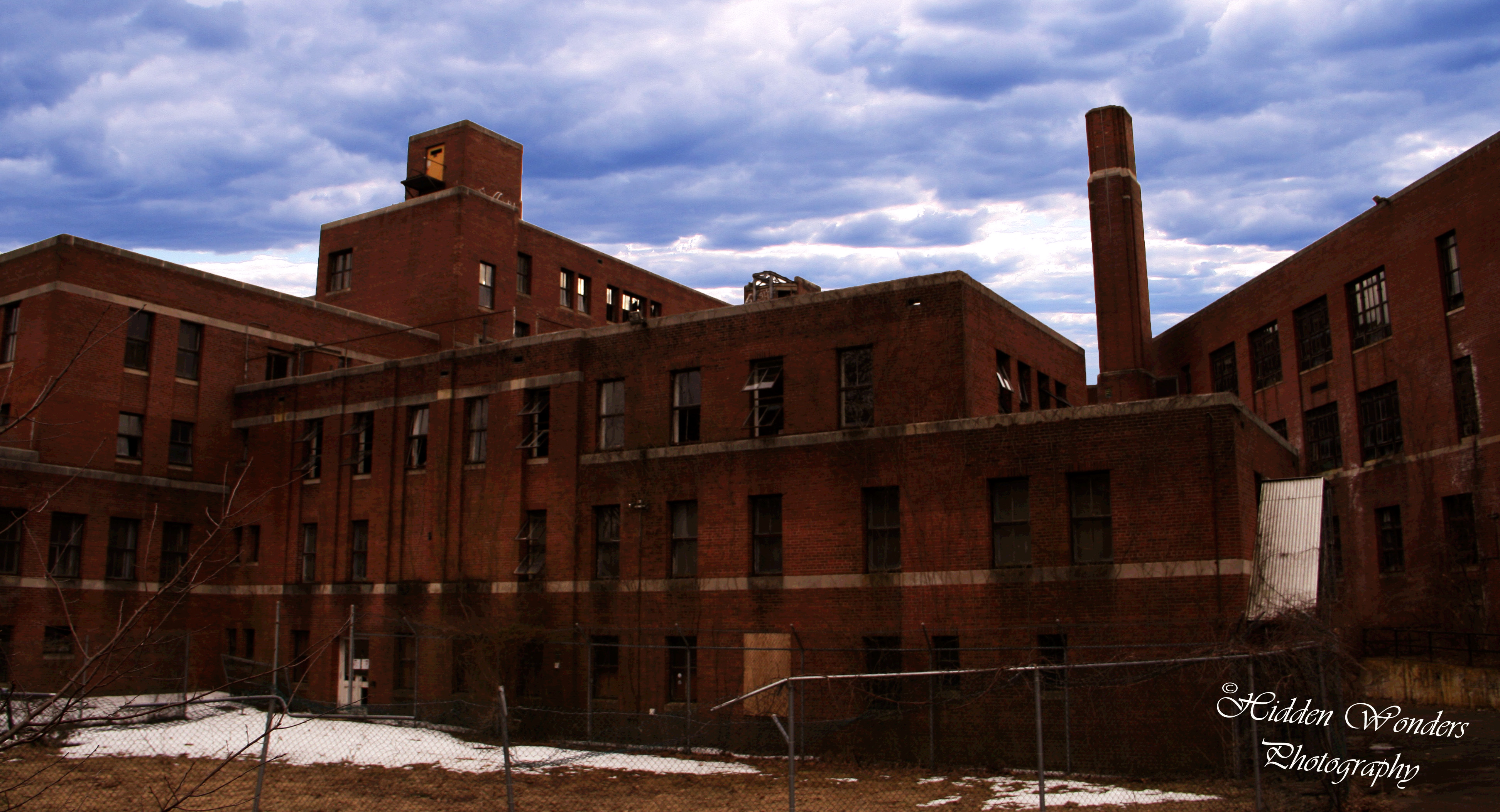
   Fire has changed the course of mankind more than most forces of nature. It has given life. During the early days of our evolution, it was fire that kept people warm. Fire cooked food, and provided a strong sense of comfort to early man. But it has also taken life. Over the years, roaring and out of control fires have caused untold amounts of damage and suffering. As quoted in Gareth Edward’s Godzilla; “The arrogance of man is thinking that nature is within our control, and not the other way around.” Forests have fallen. Lives have been destroyed. Empires have crumbled, all at the mercy of the fire. When the fire strikes, some rise from the ashes. Others lie in ruin. We discovered one such place on a shining spring day. Sitting alongside part of what is considered the most dammed watershed in all of North America, this once mighty paper mill was decimated by a raging fire decades ago. She has yet to recover from her wounds, and still lies severely scarred and burned. Welcome to the Norton Paper Mill.

   Originally owned by the locally prominent Norton family, the mill is believed to have been established in the late 1800’s. Its founder, C.H. Norton, inherited the property from his family and built the mill along the Jeremy River in what is now the Westchester section of Colchester, Connecticut. It was originally commissioned as a saw and grist mill. For many years, the mill had a very successful run producing all kinds of paper products for customers all over the region. Paper produced at the mill went into everything from books, binders, and even shoes. Throughout its existence, the Norton Paper Mill survived one large fire. However, it could not survive a second one. During the 1960’s, a purging fire caused massive amounts of damage and destruction to the mill, forcing it to close down for good. Since that fateful day, the Mill has become an absolute wasteland. While the river still roars past it, the dam built for the mill slowly crumbles along with the structure. Over the years, chain link fences have been installed and windows have been boarded up to keep trespassers out.

This slideshow requires JavaScript.

   But that never stops us. We visited the ruins of the Norton Paper Mill on a beautiful Saturday afternoon in late April. It is a short drive past the on and off ramps of Route 2 on Old Hartford Road in Colchester, Connecticut. The local Airline trail is also in close proximity. The ruins sit directly alongside the rather busy Route 149 in the rural part of town. When driving by, you really cannot miss the ruins. They are massive, and frankly quite noticeable. The roof is completely caved in, and a chain link fence spans the entire perimeter of the property. Though there are a few neighboring houses, we simply drove up to and parked beside the abandoned ruins. There was nobody around, and things were very quiet. “NO TRESPASSING” and “KEEP OUT” signs are posted all over the abandoned mill. Unfortunately, there was no real way inside without climbing over and hopping the chain link fence, which is against our policy. The interiors of the mill are in absolutely deplorable conditions, but they are very clearly visible from the outside though.

This slideshow requires JavaScript.

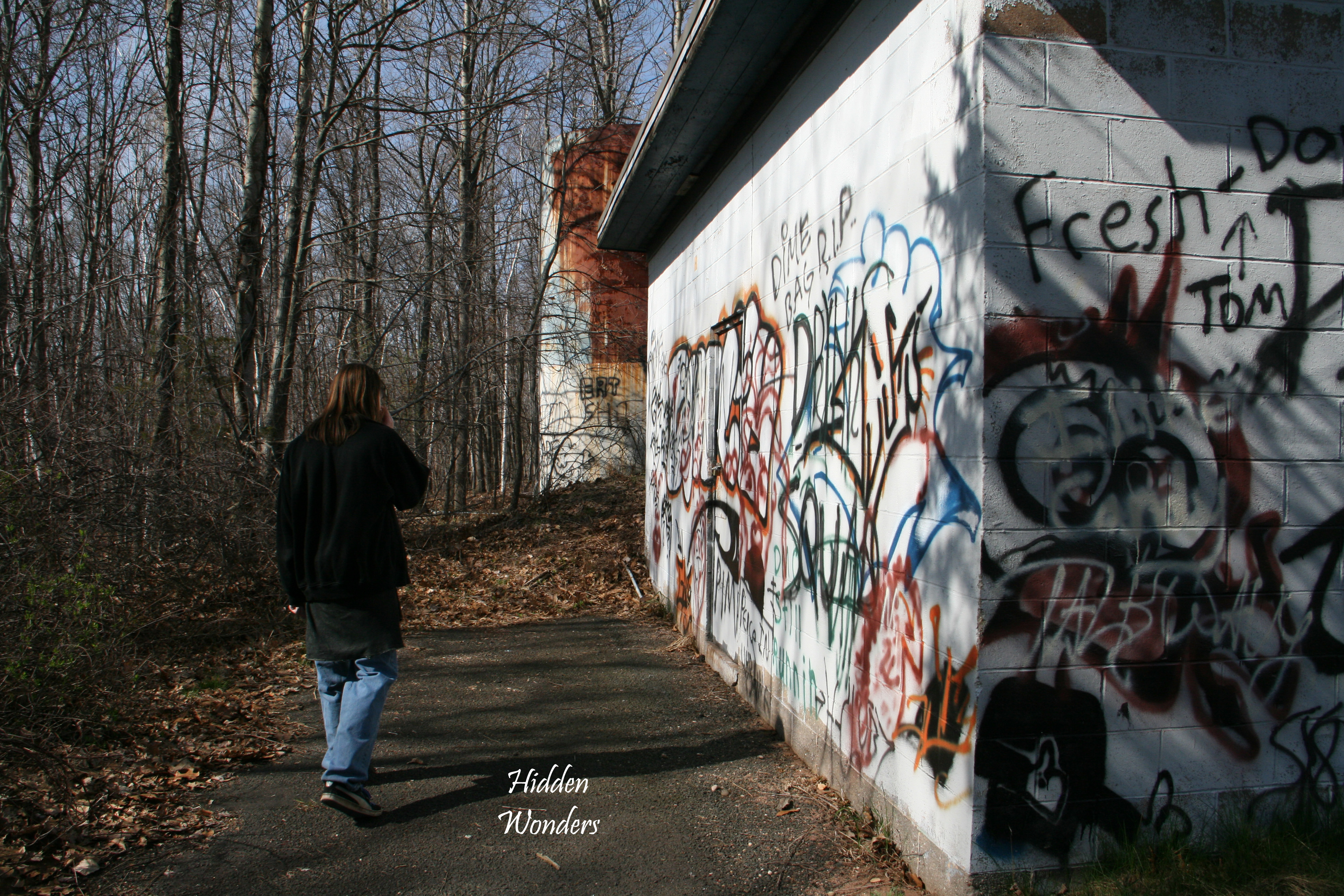
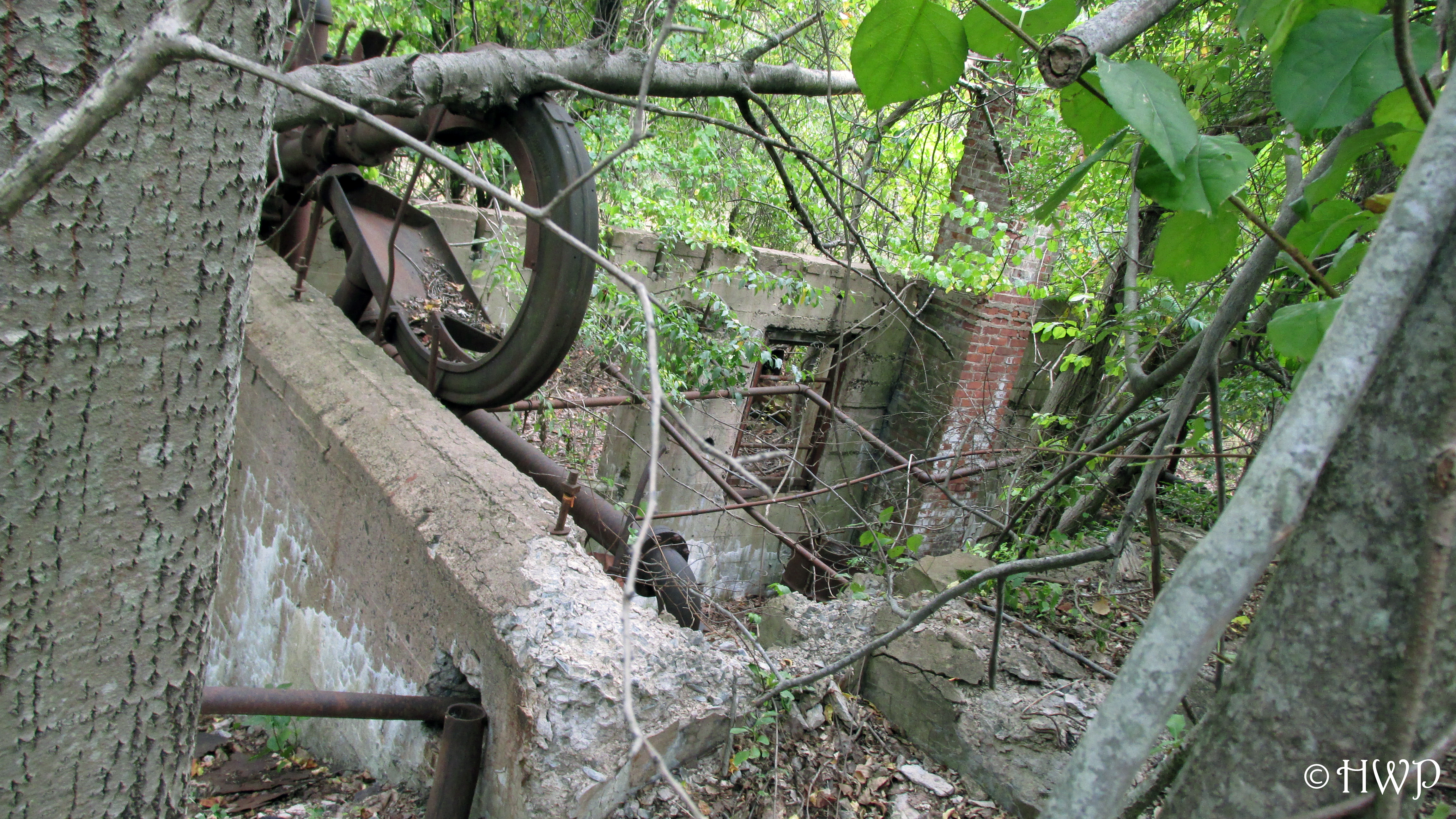
There are two crumbling buildings that comprise the mill. Both are in a very derelict state of decay. Old and rusted equipment of all kinds is still inside, simply left to rot from many years ago. Large metal radiators and gauges have turned to a sullen brown with years upon years of rust damage. Several shelves of old tools and materials still sit inside collecting dust and decay. An old and rusted water tower stands in the distance, casting a shadow over the old mill. The damage from the fire is extensive, and still very noticeable. Charred and blackened pieces of wood are scattered amongst the wreckage. All of the ground floor windows are boarded up with heavy plywood. The higher windows all have metal bars on them, or have chain link fences positioned strategically behind them. The town of Colchester clearly does not want any visitors at the old mill, and they have good reason. The place is a wasteland, and clearly still very dangerous. The waters of the roaring river pore out of the slowly crumbling basement of the mill. It is only a matter of time before it all collapses.

This slideshow requires JavaScript.

    There is currently a strong movement amongst the townspeople of Colchester and certain environmental groups to have the mill demolished and re-commissioned as a state park. Apparently, the local Salmon population is unable to migrate using the James River due to the dam installed by the mill many years ago. Since the mill has long been out of business, there is not much purpose any more. The future will tell whether or not this movement will ever be successful. Though it is pretty much impossible to get inside the ruins of the mill without breaking in, it is still very much worth a visit. Since the great fire that caused its untimely demise, the old mill sits pretty much untouched by the hands of man. It is grim reminder of the true fury of the flame, and just how uncontrollable the forces of nature can be. The very thing that gave us life ages ago, was the thing that put an end to this once prominent business. The Norton Paper Mill still sits in smoldering defeat, just one of many things we lost in the fire.

This slideshow requires JavaScript.

Torn to Pieces – Remembering Undercliff Sanatorium

Posted: April 22, 2015 by Hidden Wonders Photography in #postaday, Abandoned, Abandoned Business, Abandoned Connecticut, Abandoned Hospital, abandoned new england, Abandoned Sanatorium, Abandoned USA, Abandoned Wonders, Broken, Children, Children's Hospital, Closed, Connecticut, darkness, Death, Destruction, empty, Exploration, exploring the abandoned, fire, Forgotten, forgotten beauty, Ghosts, Graveyard, Haunting, Hiking, History, Homeless, Information, left behind, lost, Merden, Meriden CT, Movies, Mystery, nature, new england, overgrown, photography, Public Parks, research, Ruins, Safety First, Searching, Seaside Sanatorium, State Parks, Stories, time, Uncategorized, Undercliff Sanatorium, Urban Decay, Urban Exploration, Urban Exploring, Urbex, writing
Tags: , , , , , , , , , , , , , , , , , , , , , , , , , , , , , , , , , , , , , , , , , , , , , , , , , , , , , ,

Torn to Pieces

Remembering Undercliff Sanatorium

By: Sean and Amanda

The state of Connecticut is home to many well-known abandoned mental hospitals. In the shadow of the rolling hills of Southern Connecticut once stood one of our most feared and legendary facilities: Undercliff Sanatorium. Located in Meriden, CT, the grounds stood just a short walk off the beaten path of Hubbard State Park. Though several buildings on the grounds are still active state facilities, the main hospital had been abandoned since the seventies. Since its creation, it served several different purposes including a mental hospital and a storage facility. For many years after its demise, the facility sat empty and decaying. It was not until the spring of 2014 that the old hospital was finally demolished, torn to pieces over a few weeks. We were lucky enough to visit the abandoned Undercliff Sanatorium while it still stood in the early months of 2013.

hartford First opening in 1910, Undercliff Sanatorium is still an active state facility. It has recently been renamed by the state as Undercliff State Hospital, since it is no longer used for its original purpose. Covering over forty acres in the town of Meriden, the facility was originally built to treat children with tuberculosis and other diseases. As modern medicine developed and these diseases became less common, the facility slowly evolved into a treatment center for adults. In the 1950’s, all adolescent patients were transferred to Seaside Sanatorium. (see our write-up here) In the 1960’s, Undercliff evolved once again into a state mental health facility. The main hospital officially closed in 1976, and has essentially remained unused. Much like all abandoned hospitals in Connecticut, there were rumors of patient abuse and there have been many alleged hauntings on the property.

This slideshow requires JavaScript.

Reaching Undercliff Sanatorium was no easy task. Due to large amounts of vandalism and trespassing, the official road signs for the facility had been removed to discourage visitors. We had read reports about some people being able to simply drive down the road and up to the facility itself. We found these hard to believe, especially considering a Connecticut State Trooper is housed on the grounds. Since it is still an active state facility, Undercliff was said to have a heavy police presence. We decided to park at the nearby Hubbard State Park. We made the climb up the mountain to Castle Craig, which gave us an excellent aerial view of the entire Undercliff campus and the surrounding towns. We then moved down the mountain to find a better way to get to the abandoned facility.

This slideshow requires JavaScript.

After climbing down the mountain, we came upon a road leading off into the distance. Across the road from us, we found an old path into the woods and decided to follow it. It led us deep into the forest, and eventually we came upon an open field leading up to Undercliff Sanatorium. It was massive, looming ominously in the distance as we slowly got closer. Despite all the rumors, we did not encounter a single trespassing warning. There were no fences, no signs, and we didn’t see a single police officer or security guard. The entire grounds seemed empty. It was weird. We cautiously moved closer and closer to the facility, unsure if it was illegal or not. But oddly enough, the closer we moved onto the grounds, the quieter things became. There was not a single sign of life. We continued moving up cautiously and quietly until we finally reached the hospital.

This slideshow requires JavaScript.


 The abandoned hospital was huge. After successfully crossing the open field, we entered the parking lot of the main hospital. There were two buildings adjacent to each other.  One was a simple rectangular building while the main hospital was blockier with each floor going up a little smaller than the one below it. Both were made entirely of brick. Every single window on the ground floor had been smashed and sub sequentially boarded up. Surprisingly, there wasn’t much graffiti on the hospitals exterior. A rickety chain link fence surrounded the main hospital, but there were so many holes cut into it that it was pretty much useless. The doors were all heavily boarded up, except the main door ironically, which had been busted open at the bottom. People were able to crawl inside easily through this hole, which looked relatively new. But there were asbestos warning signs posted everywhere.

This slideshow requires JavaScript.

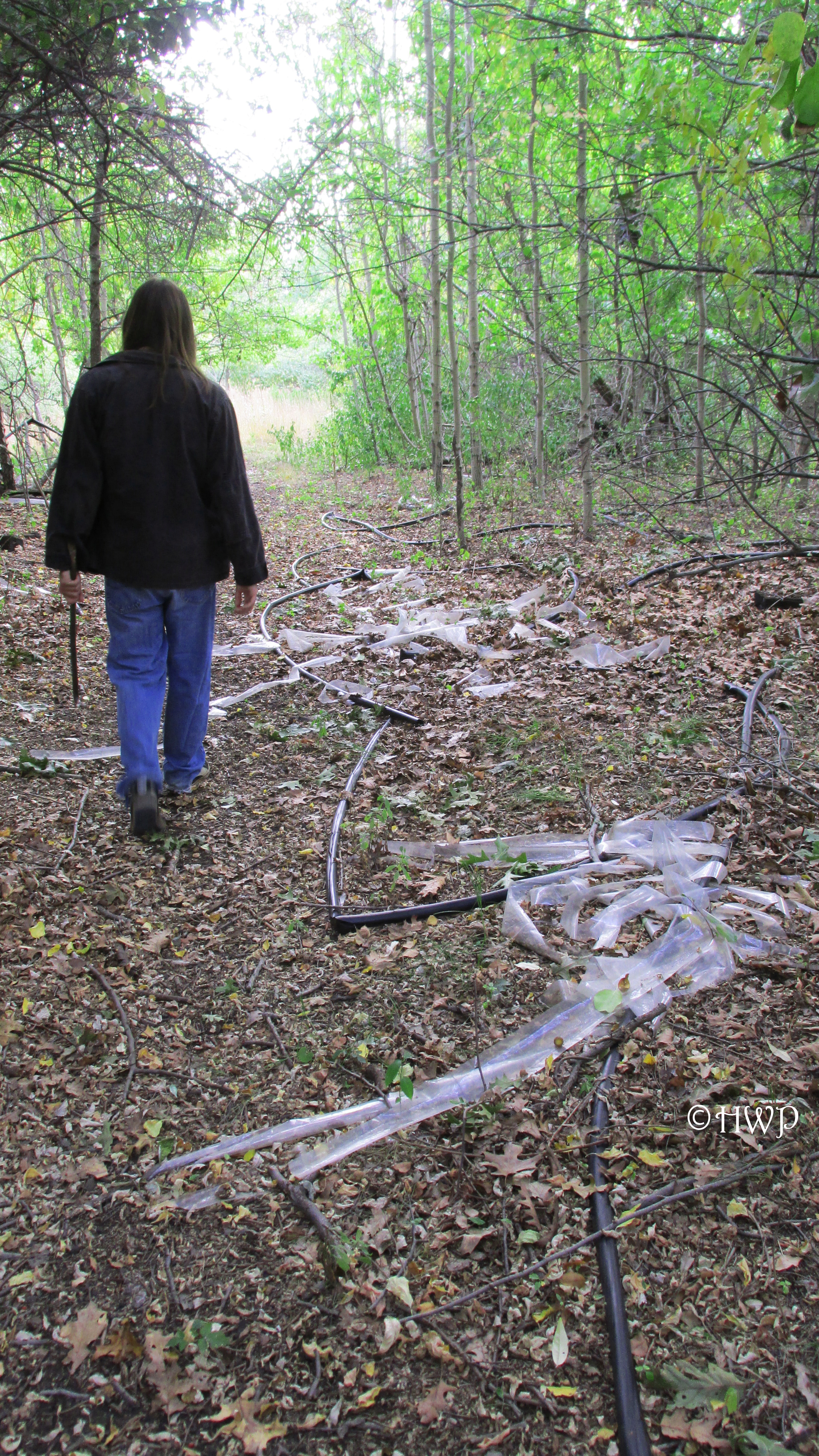
We encountered several other explorers, who helped us get inside via the opening at the main door. Inside, Undercliff Sanatorium was a maze of darkness. There are almost no pictures of the interior because we foolishly forgot our flashlights. The main hospital was at least seven floors, including a basement which was mysteriously flooded when the facility was abandoned. Rumor has it that the facility’s crematorium and morgue were located down there, and it was flooded to keep people away from them. Each hallway was a little creepier than the last. Each staircase was in ruin. Around each corner lay more shadows and more destruction. Vandalism was rampant everywhere. Oddly a lot of supplies seemed to have been left behind, and summarily destroyed by vandals. The main attraction of the abandoned facility was the theater. On the north side of the main hospital, which could be seen from the outside, was a large and ghostly theater featuring hundreds of empty chairs staring at a rotting stage. There was definitely a dark vibe about this place. It could be felt throughout the entire facility.
This slideshow requires JavaScript.

Though it has since been demolished, the darkness of Undercliff Sanatorium can still be felt. When you visit a place like this, it never really leaves you. Just looking at the facility from the outside, we could feel presence that lay within its walls. It is unclear at this time what the state plans to do with the now demolished site. Since the grounds are still an active facility, it will more than likely continue to serve that purpose. One fun rumor we heard about this place is that the Travel Channel show “Ghost Adventures” wanted to do a paranormal investigation here and even offered the State of Connecticut a good sum of money to allow them to do so. But all offers were mysteriously turned down. Unfortunately, whatever dark secrets and evil deeds this facility once held are no more. But the ghost of Undercliff will always be there.

The Changing of the Guard — Hiking Manchester’s Former Nike Base

Posted: February 17, 2015 by Hidden Wonders Photography in #postaday, Abandoned, Abandoned Attractions, Abandoned Baseball Field, Abandoned Business, Abandoned Connecticut, Abandoned Forts, abandoned military bases, abandoned new england, Abandoned USA, Abandoned Wonders, Birds, Bolton, Broken, Children, Closed, commercial, Connecticut, darkness, Death, Destruction, empty, Exploration, exploring the abandoned, fire, for sale, Forgotten, forgotten beauty, Fortress, Forts, Ghosts, Graveyard, Haunting, Hiking, History, Homeless, House, Information, left behind, lost, Manchester, Manchester CT, Military, Military Forts, Movies, Mystery, nature, new england, nightmares, Nike Missile Base, overgrown, photography, Public Parks, research, Ruins, Safety First, Searching, State Parks, Stories, The Walking Dead, Uncategorized, Urban Decay, Urban Exploration, Urban Exploring, Urbex, writing
Tags: , , , , , , , , , , , , , , , , , , , , , , , , , , , , , , , , , , , , , , , , , , , , ,

The Changing of the Guard

Hiking Manchester’s Former Nike Base

Written by: Sean L.

Photographs by: Amanda H.

We have visited quite a few former military installations across New England over the last few years. Most people find it hard to believe that there are so many sites out there left abandoned by the military, but they are out there. You just have to look a little harder for them. Some are simply hiding right under the public’s noses. We have covered abandoned coastal fortresses in Rhode Island, deserted Air Force bases in Massachusetts, and of course the decaying Nike Missile bases in Connecticut. Here in our home in the Nutmeg state, the Nike Missile bases are some of the more iconic and well known abandoned places. We have explored most of the Nike Missile bases that are still standing across the state. Most have become lost and forgotten sites, falling victims to nature’s fury and mankind’s neglect. But a few of these sites have found salvation through resurrection.

During the most vicious years of the Cold War, there were at one time hundreds of Nike Missile sites all over the country. Some of these bases were even established in Europe. There were at least twelve known in the state of Connecticut. Most of these sites were coastal or along the Connecticut River. Others were in place as a defense for the city of Hartford. First established in 1945 as a project for the US Army, the Nike Missile sites were created as a new form of defense against aerial attacks on the United States homeland. By the mid-1950’s, there were sites in almost every state in the union. But also around this time, technology began to develop. The Army was moving forward with more advanced forms of missile defense, and Nike slowly became obsolete. It wasn’t long until the project came to end.

With most sites being a part of active military bases, their shutdown was not a big deal. Some shutdown sites were demolished. Others were donated. But a few were simply left to rot. See our write-up on Portland’s Nike Missile base here (https://abandonedwonders.wordpress.com/2014/11/11/sound-the-bugle/). On an early spring weekend, we decided to visit another former Nike Missile base in Manchester, Connecticut. The base was in operation between the years of 1956-1961. When the site was decommissioned by the United States military in the early 1960’s, the site was returned to the town of Manchester. Over the next few years, the town began to make use of the property by turning it into a recreational area. All of the missile launch pads have been removed, and most of the old buildings are still standing. The site is known today as the Nike Site Recreation Area.

Finding the site is no problem. Just google it. It is in close proximity to a few nicer residential neighborhoods in Manchester, not too far from the Glastonbury town line. A large and well maintained sign will welcome you to the area, as opposed to the armed guards that once protected this place. When entering the park, the main road will take you right into the heart of the former base. All of the buildings still stand, and there is ample parking. Though most of the buildings appear to be abandoned, they are not. One of the older buildings has been converted into ballet studio. Another one is now a preschool/daycare, with a brightly colored playground outside. All of the other buildings appear to be used just for storage. One is rumored to be a shooting range, but we found no such evidence to confirm this.


Even though they are still in use, the buildings all look abandoned. A lot of the windows are boarded up and they are not in the best of shape. One building even has white hand prints scattered all along its outer wall, though we would guess this is from the preschool from across the lot. Standing right behind the old buildings is a baseball diamond. Though it was not in use while we there, it is clearly maintained. There were actually a good number of people here when we visited, but they were all congregated in the main area of the base. In order to get a real glimpse of the former site, you have to do some walking. There are a clear line of trails throughout the park. While following the main trail further into the base the old overgrown chain link fences can be seen, still protecting the grounds.

Following the trails into the base, the old access roads into the missile site can still be seen. We followed them through the fences and further into the woods, leading to a large clearing with large power lines overhead. This is where the missile launch pads were once located, remnants of them can still be seen. Continuing down the trail, we found the three former missile platforms. Each of these is a large cement foundation with a rusty metal blast plate attached, used to protect the concrete from the rocket’s heat. Alongside of these, there are several collapsed ruins that were once small buildings. Scattered amongst the site were random items such as old tires, cement markers, and old telephone lines. Closer to the main grounds of the base, there is the old water pump station. A large blue tank stands beside an old cement building. Both have become very rusted and covered in graffiti. 

Though the site is designated as a recreational area, it clearly has its share of secrets. We found one small underground bunker that we were able to get into, though it was merely a small electrical duct. Mixed amongst the trees, the old wire system can still be seen. We even curiously found a large area of the grounds that was literally coated in broken glass sitting beside a dying fire pit. Either the Terminator has recently returned from the future, or this place has a vandal problem. Unfortunately, it will not be long before all of these ruins disappear. Though the remnants of this place’s past are slowly fading away, there are still reminders everywhere of what it once was. The Manchester Nike Missile Base may have swapped its garrison of soldiers for children and tiny ballerinas, but the ghosts of the Cold War still haunt these wooded grounds.

This slideshow requires JavaScript.

Abandon All Hope

Remembering Sunrise Resort – Part: II

Written by: Sean L.

Photographs by: Amanda H.

“Abandon all hope, ye who enter here.” Much like the city of Pripyiat, the home to the workers and families of the Chernobyl tragedy, Sunrise Resort was literally abandoned overnight. However, it was not because of a nuclear disaster. Sunrise Resort, which had stood for decades, had become a thing of the past. Over the years, attendance to the once popular vacation destination steadily declined. When it finally went under, the owners were able to sell the land to the state of Connecticut, who hoped to use the grounds as a camp for the disabled. Unfortunately, this never happened. Over the years, Sunrise Resort stood empty and alone, nothing more than a sad afterthought. Because the land had been purchased by the state, it was designated a state park. This created a massive legal loophole, making this large abandoned resort completely legal to visit.

Our return to Sunrise Resort came just two days after our initial discovery. We arrived early in the morning, intent of covering every inch of the property. Luckily, the sun was out and the weather was fair. We drove directly up to the resort this time, rather than walking in. The gates from the guard shack at the front were still closed, so we parked there. At the very front of the property, two large older buildings stand. They have large padlocks on them, and are used by the state for storage. They are the only buildings on the property to still be in use and that have been untouched by vandals. Beside them stand the old dining hall. Windows have been smashed, furniture has been removed, and the old fireplace is now full of trash. A road connects the entire camp together. A large stray dog accompanied us as we began our descent into the wasteland.

Our first stop was the main office. I first walked down these steps was I was in the sixth grade. I was on a class wide picnic, and this place was full of people having fun. I did not return until I was twenty one years old. There weren’t any more people, and the fun times were long gone. The glass doors to the office were smashed, littering the ground with large chunks of broken glass. Inside the office, papers and all kinds of debris coat the floor. We found several first aid kits that had been torn apart, though curiously only the syringes were missing. There were also gaping holes in the walls, with all of the buildings copper wirings torn out by scavengers. This was a common trait throughout the resort, as we found almost every building suffered this fate. On the wall, in red crayon, was written: “No God. No Joy.”

This slideshow requires JavaScript.

Beside the main office stood the old pool. The last time I saw this pool, it was full of water and happy children enjoying the vacation. Now, it lies empty. The water and swimmers are long gone, with the pool now only holding nothing but graffiti and debris. This ranged from tree branches, garbage bags, and even a roller chair. The pool had a window on the deep end, where people could watch swimmers from. We moved on into the pool house to reach this window. Lockers had been ripped open. Walls had been trashed. Even a few bathing suits had been left behind. We then reached the room with the window looking into the pool. A large colorful octopus was painted on the wall.

This slideshow requires JavaScript.

Moving past the pool, we found the cabins. Sunrise Resort offered all kinds of camping, and cabin camping was very popular. Most of these cabins still stood untouched. The clean sheets were still waiting for the next guests, neatly folded atop the beds. The bathrooms were all still fully stocked. Notes indicating checkout time were still there. Past the cabins, we explored “The Frog.” This was the restaurant of the resort. The tables were all neatly stacked up in one corner. A bible lay abandoned on the ground. An old tabletop Christmas tree had been knocked over. The run down television set had been smashed. Several vending machines still stood against the back wall, though there was nothing left inside of them. Packets of mustard and ketchup were still sitting in their dispensaries, though they had long since gone bad. We continued down the road, leading us to the banks of the Moodus River.

This slideshow requires JavaScript.

Along the river stood a series of cabins. They were each three stories high, and completely ransacked. In one of these cabins, the room at the top floor had been converted into a makeshift sex den with a heavily used mattress and condom wrappers galore. Beside these cabins was the now empty boat house and the dining hall that we had originally seen the other day. After a short lunch in the old gazeebo, we explored this large building. Carpet was ripped up, windows were smashed, and walls were demolished. Against the very back wall stood a fireplace with a sturdy chimney. A few fire logs were still inside. The kitchen was completely dark, but most of the equipment had been gutted. Several empty pavilions stood outside. Rather than taking the rickety staircase we had seen last time, we continued up a different path back into the heart of the resort.

This slideshow requires JavaScript.

We passed several more sets of cabins until we came up the children’s area of the resort. It was complete with a small building, where kid’s artwork still hung from the walls. An old overgrown wooden playground stood beside it. A small in-ground pool was at the front of the area, though its water was now stagnant green. An old push car had been unceremoniously dumped into it. A miniature golf course was there as well, though now completely overgrown. At the farthest side of the resort stood the apartments. Two large buildings full of apartments were there: one high-rise and one low-rise. They were totally ransacked by vandals, though a small family of raccoons guarded the basement. Finally, there was the spa. Workout equipment and machines were still there, abandoned overnight just like everything else here.

This slideshow requires JavaScript.

With our daylight dying, we decided it was time to head home. We began to head back to the car, bidding farewell to the abandoned Sunrise Resort. Though we didn’t know it at the time, this would be our last goodbye. Stay tuned for Part III next week.

Stay tuned for Remembering Sunrise Resort Part III coming next week!!

The Other Side of the Tracks — The Abandoned Cedar Hill Rail Yard

Posted: January 12, 2015 by Hidden Wonders Photography in #postaday, Abandoned, Abandoned Attractions, Abandoned Business, Abandoned Connecticut, abandoned new england, Abandoned Railway, Abandoned Stores, Abandoned train station, Abandoned USA, Abandoned Wonders, Birds, Broken, Cedar Hill, Closed, commercial, Connecticut, darkness, Death, Destruction, empty, Exploration, exploring the abandoned, fire, for sale, Forgotten, forgotten beauty, Ghosts, Graveyard, Haunting, Hiking, History, Homeless, House, Information, left behind, lost, Movies, Mystery, nature, new england, New Haven, nightmares, overgrown, photography, Public Parks, research, Ruins, Safety First, Searching, State Parks, Stories, The Walking Dead, time, Uncategorized, Urban Decay, Urban Exploration, Urban Exploring, Urbex, Walking Dead, writing, WWII
Tags: , , , , , , , , , , , , , , , , , , , , , , , , , , , , , , , , , , , , , , , , , , , , , , , , , , , , , , , , , , ,

The Other Side of the Tracks

The Abandoned Cedar Hill Rail Yard

Written by: Wilk

Photographs by: Lassie

A lot of strange things can happen to a place when it is abandoned. Where man once dwelled, nature begins to take back. Structures slowly crumble under the weight of time. But worst of all, the deserted manner of these places tends to attract a lot of lawlessness and delinquency. No such place we have ever visited exemplified these characteristics more so than Cedar Hill. This forgotten rail yard has become its own little world, a place where nightmares come to life. There are things here and a presence in the air that Amanda’s pictures can show a Hell of a lot better than my words ever could. You must see Cedar Hill in order to believe it. Though it is not too far from civilization, you will find anything but in this place that the world forgot about a long time ago.

Located in the busy town of North Haven, Connecticut, Cedar Hill was once one of the largest and most active rail depots in all of New England. Not too far from the coast of Long Island Sound, Cedar Hill was once a part of the flourishing network of railways that run all along the east coast. The yard was built along the Quinnipiac River and surrounding marshlands. It was originally built in the early 1920’s to help support the New Haven area’s quickly flourishing railway industry. As transportation methods began to advance and World War II came to close, the Cedar Hill rail yard began to grow quiet. Within a few years, the facility was all but abandoned. We could not find an exact year of closure or exact reason. A newer and much more modern rail yard now stands right beside the old grounds.

Our trip to Cedar Hill was on a humid summer day and took us down the infamously busy I-91. From the highway, you can still see several parts of the rail yard. Most notably visible are the old towers, though they are now wrapped in thick vines and vegetation. Cedar Hill is hard to find, and for good reason. It can only be accessed through the back parking lot of one of the neighboring department stores. Curiously, there was a large sign out front saying that the property was for sale. We eventually found the trail that took us along the banks of the Quinnipiac River, until we reached the old tracks. They are heavily rusted and overgrown, but these tracks are the lifeline of the facility. We followed them further into the yard, and used them as a focus point in case we got lost.

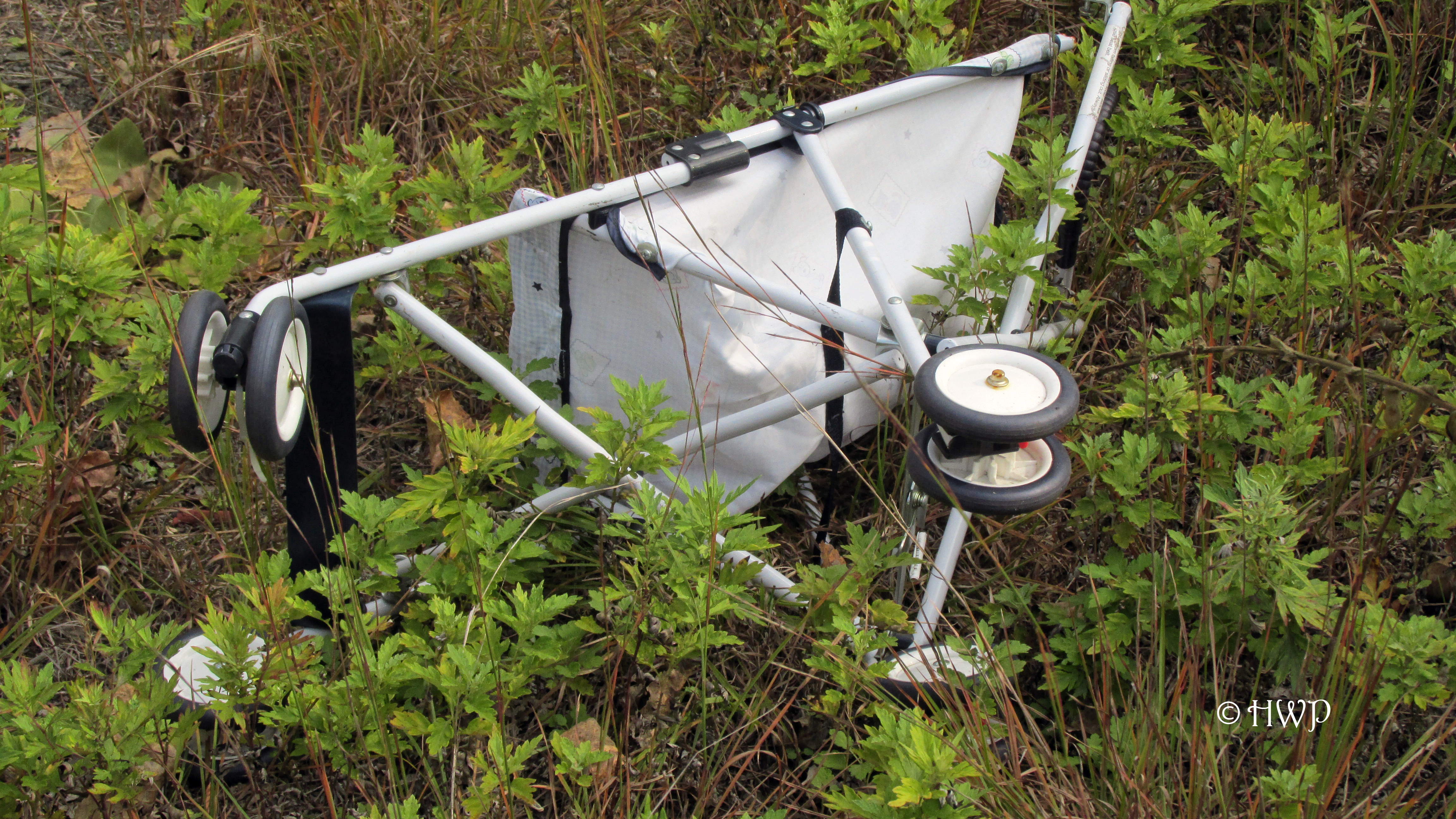
Our first stop off the tracks led us into a clearing. More tracks led us farther into the yard, where we found a tipped over and dirtied baby carriage along with lots of other litter. Along the fences of the neighboring active rail yard are the abandoned terminals/storage facilities. Though the windows had all been smashed, the door leading into one of the buildings was still in one piece. Inside, these buildings are completely shot out. There were still a few protective fences. The walls and floors were cement. The roof had even caved in big time in one section. Strange little bunkers had been set up all over the floor. Apparently, local kids have been using the inside of this building as a paintball course. Pink paintball splatters were scattered across the walls and floor. Several other buildings were just like this.

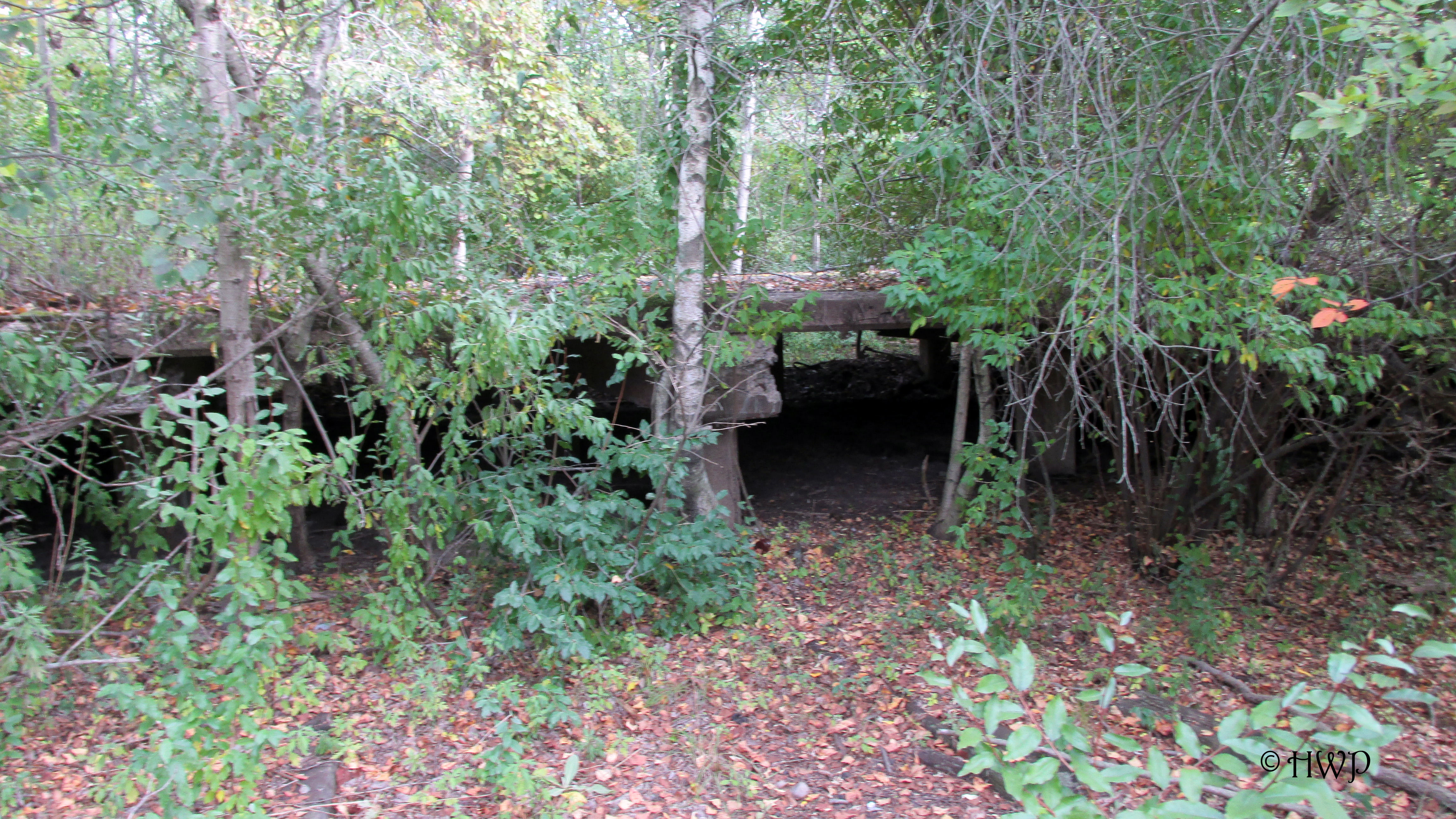
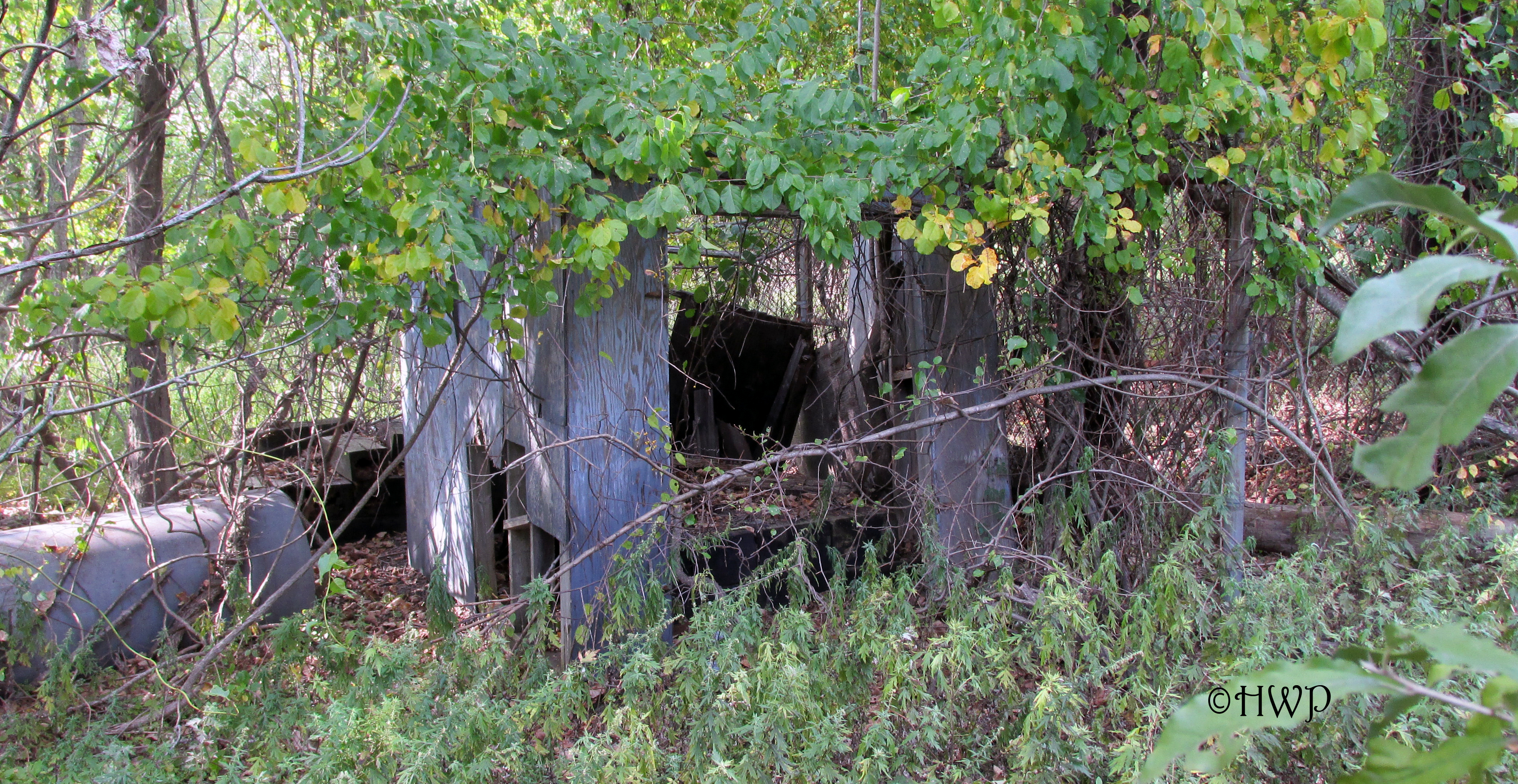
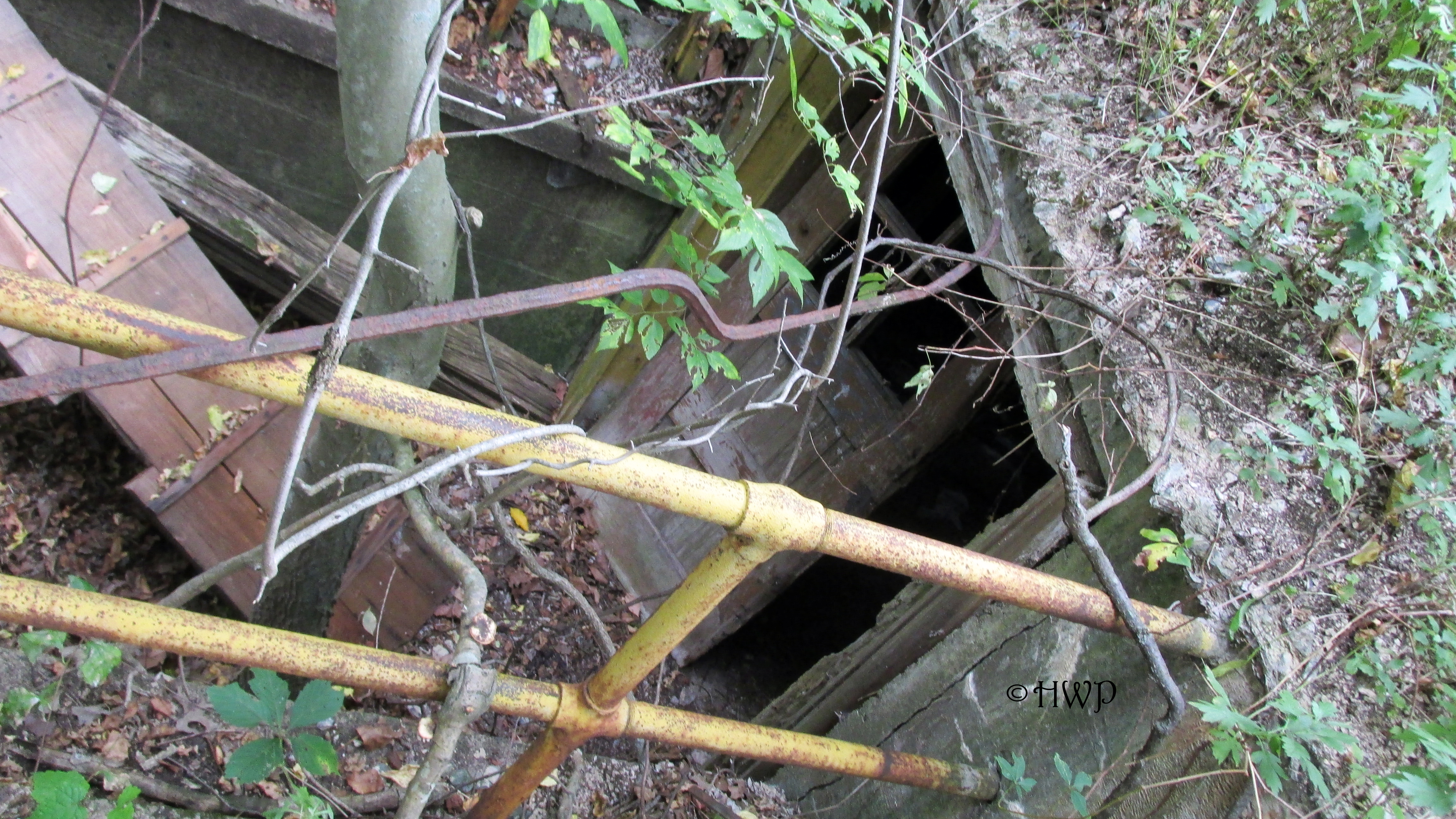
Farther down the tracks, we found just a large clearing covered in debris. All kinds of trash littered the ground in this one spot. We also found a few smaller buildings directly beside the tracks. They seemed to be power sheds of some kind, as they were all connected with the old power lines. We also found an old warehouse towards the back of the facility. There was yet another makeshift paintball course outside of the building. In close proximity to the warehouse is the old power station, with a lot of rusting equipment and barely legible warning signs still standing. Throughout the facility, there are multiple towers overlooking the surrounding areas. The ladders leading the top of these towers have all been cut short so nobody can safely climb them. There is also a lot of wild vegetation growing all over the towers.

The most unsettling thing about Cedar Hill was the evidence we found of people still living here. Scattered amongst different spots in the facility, we found large animal skeletons and skulls. We even found a deer’s freshly severed leg at one point. Due to its proximity to the nearby marshes, this could simply be a large predator. However, we also found several fire pits nearby with old cooking equipment, pots, and pans. The creepiest part of our investigation was what we found in the tunnels. Right beside the banks of the river in a large open tunnel, leading deep underground with no end in sight. Not only did we hear voices coming from inside the tunnel, we even captured on camera what appear to be the figures of two people deep in the tunnels. We had heard rumors of homeless people living back here, clearly they were true. We chose to stay out of the tunnels.

We went into this investigation expecting to find an abandoned rail yard. What we found was much more than that. We found a world all on its own. In the absence of civilization, nature rules. The strongest survive. The weak get taken. There are no rules in places like Cedar Hill. We left this place with a very uneasy feeling, and for the first time ever, we would not recommend anyone reading this to ever visit this place. It is very dangerous, with darkness lurking around every corner. It is a place out of a nightmare, as if an episode of The Walking Dead had come to life. Trash and broken hunks of metal are scattered about. It is almost completely silent at all times. Human beings live in deplorable conditions. Innocence has been lost. And you can never quite shake the feeling that you’re being watched when you cross over, to the other side of the tracks.

Far from Home

Exploring the Abandoned Skinner House

By Sean and Amanda

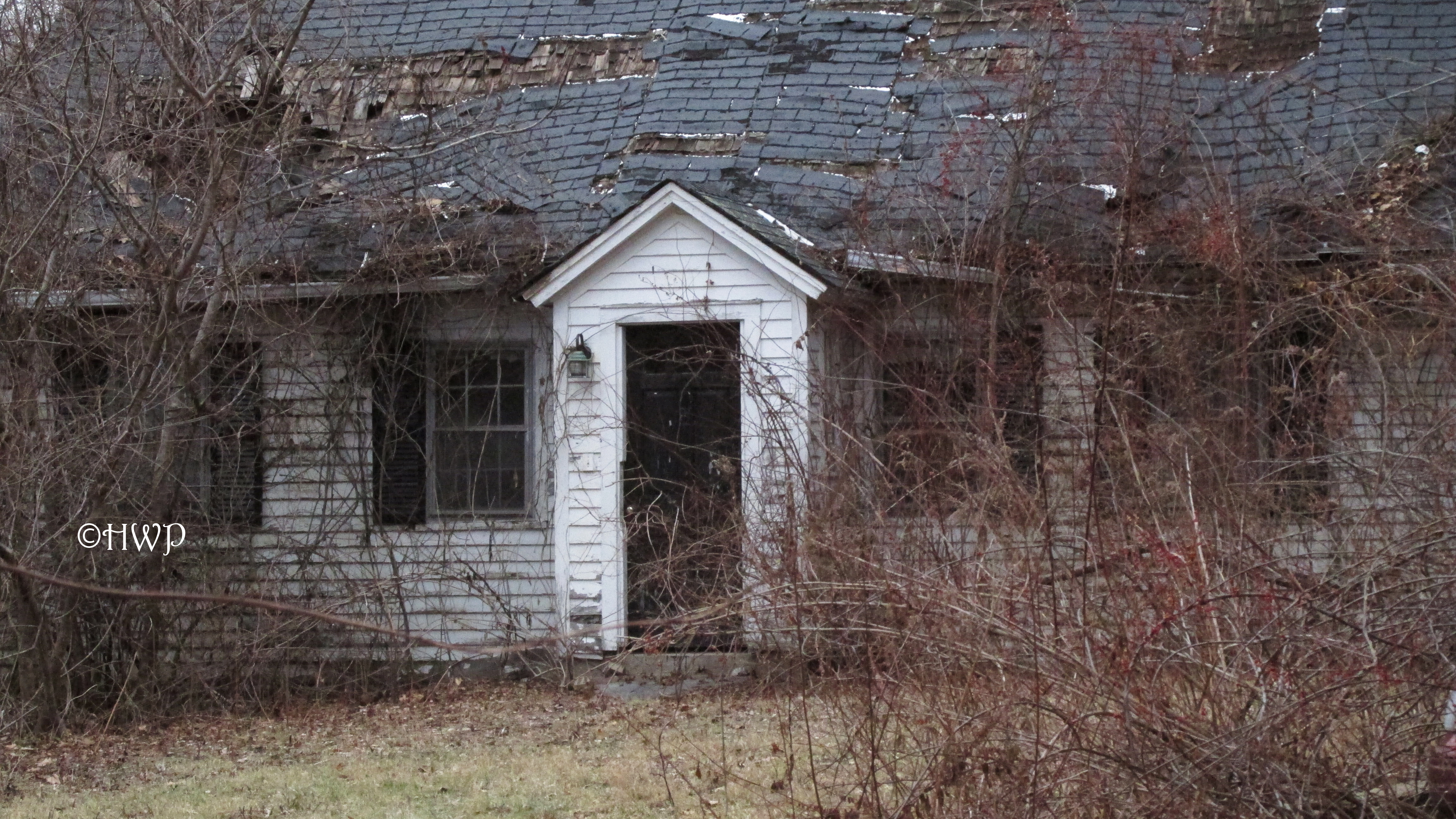
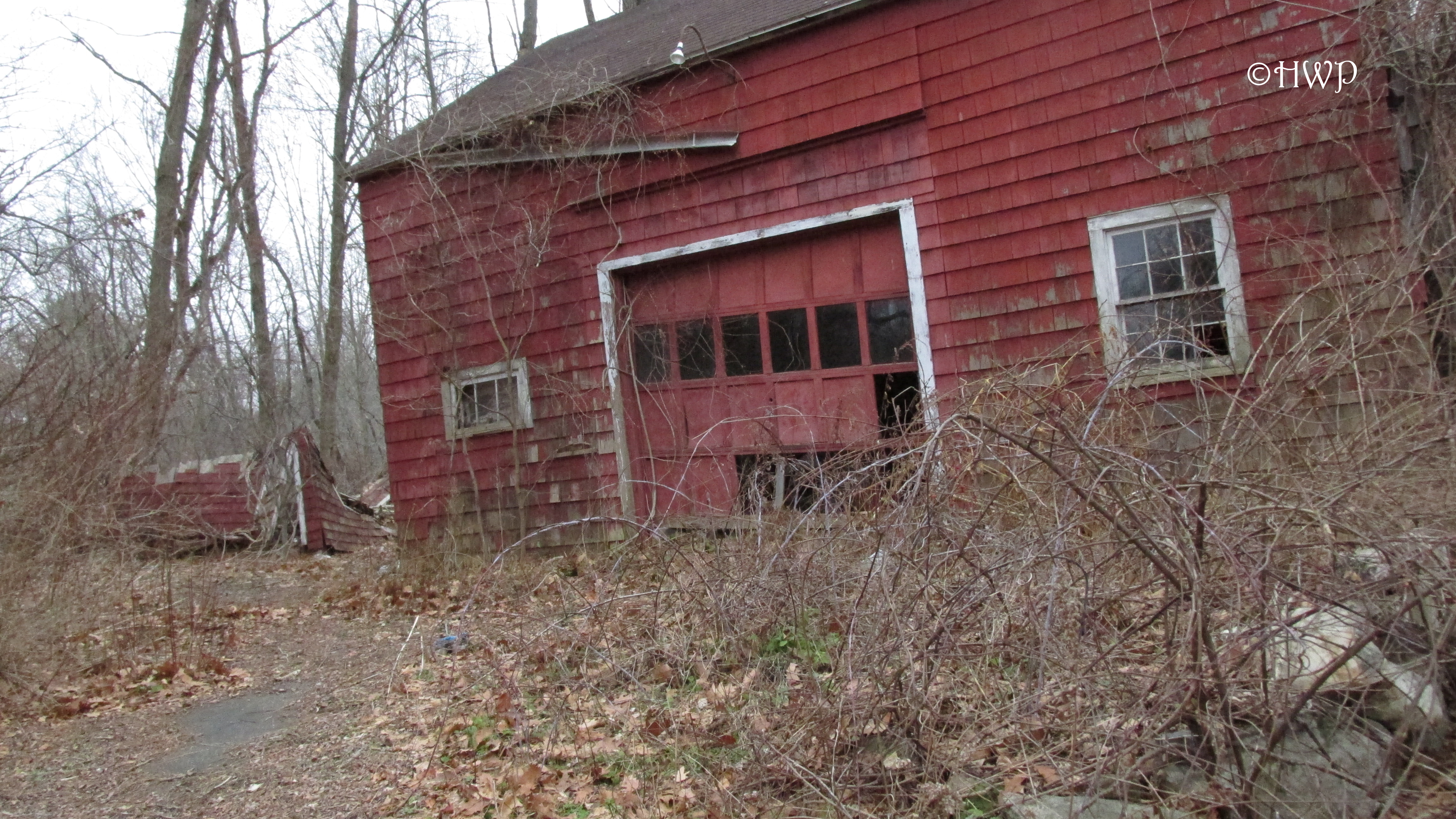
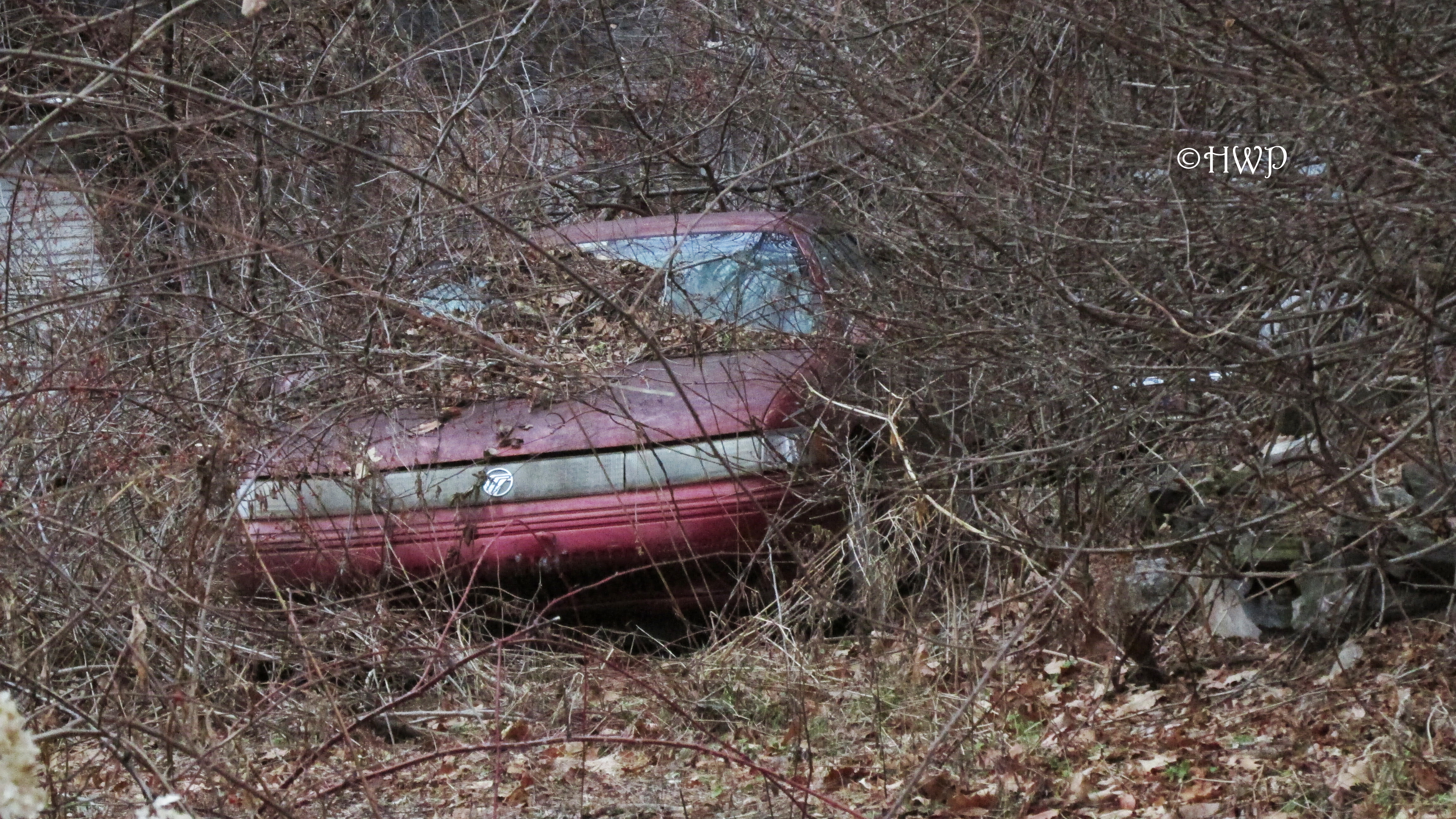
There’s a knock at the door, but nobody answers. The sounds echo through the house’s empty rooms. There’s a hole in the roof that will never be fixed. Birds and wildlife come and go through it as they please. The old shed collapsed years ago. It lies in ruin beside the decaying barn. An old car sits in the driveway. The tires have been flattened over time. Wild vines have started to take it over. Blocked in behind it sits an old truck. Its original color and model name have become unrecognizable. If these old walls could talk, I don’t think they would talk at all. I think they would scream. They would scream because they have seen too much, and they’ve had to go through it all alone. They would cry out in pain and anguish, because whoever once called this place home clearly left a long time ago. This is the Skinner House.

Down a back country road in a forgotten part of a little town lies an old house. Who lived there? How long has it been abandoned? Why was this house left to rot? We don’t know. And in fact, nobody around here seems to. The neighbors of this place were either no help or could not be reached for comment. What we can tell you about the Skinner House is that it has clearly been empty for many years. To be perfectly clear, we can neither confirm nor deny that it is in fact called the Skinner House. It has earned this nickname due to the fact that it sits right on the corner of Shoddy Mill Road and the windy Skinner Road in Bolton, Connecticut. It is barely a mile from the border of rural Andover, Connecticut and a stone’s throw from the heavily trafficked Route 6A.

I drive past the Skinner House almost every day on my way to and from work. It took me awhile to even notice that it was in fact abandoned. No offense to the people that live in these rural towns, but most seem to have at least one house that is not very taken care of. But after weeks of driving past this old house in the early mornings and late afternoons, I began to notice things. I never saw a single person come or go from it. There was never a light on inside of it. The two broken down cars in the driveway never moved. Every single day passing by it, the house seemed to be sitting there frozen in time. Nothing ever seemed to change. Using our standard methods of preparing for an investigation, (see The 5 Rules), I found absolutely no information on the house. It had simply been forgotten.

So during a chilly winter day in December, we decided to go have a look around. The Skinner House isn’t too difficult to find. It is nestled at the crossroads of a nice little neighborhood and a backcountry road. As stated earlier, it is almost right on top of the border between the towns of Bolton and Andover. It stands right next to a small bridge covering an even smaller stream. Just in case there actually was someone living there, we didn’t just pull up the driveway. There is a little spot beside the bridge that we could easily pull up to. The Skinner House is actually a good sized building, with at least two floors. There is also a large barn standing beside the street. The remnants of what looked like a shed or even a smaller barn lay next to that. Behind the house is just wild trees and wilderness.

Not only did we find not a single sign of life, but we also didn’t find a single NO TRESPASSING sign. There was nothing here. In the woods behind the house, there were plenty of signs warning off any potential hunters or fishermen. But no such signs were posted on the property itself. After a quick look around and a knock on the old door, it became perfectly clear to us that this wasteland was indeed abandoned. Inside of the house, there was nothing but trash left behind. And in fact, the caved in roof and the old floor boards are so unstable that we did not even go inside. To do so would be incredibly dangerous. We also found evidence of some sort of large animal, or animals, taking up residence inside the old house. Even though there are no KEEP OUT signs, it is best to do so.

What we found most interesting about the abandoned Skinner House were the cars that had been left behind. They sit alone in the driveway, with brush and foliage all over them. In the front is an old red Mercury sedan. Its tires are flat, but it could still be in salvageable shape. Blocked in behind it is an old truck. This thing was so old and beat up, we couldn’t even tell what Make or Model it was. It is now just a rusty hunk of metal. Remarkably, we didn’t find much of any vandalism on the property. None of the windows on the house have been smashed, there was no liter on the grounds, and we didn’t find any graffiti. Inside the house may be a different story though. The barn is in just as poor shape as the house. Paint is slowly chipping and the wood frame is rapidly decaying. On a lighter note, we did find a family of rabbits now occupies the old barn.

The Skinner House is by far one of our more unique investigations. Not only did we not find any information at all about this place, but it seems like it has been relatively left alone in its state of decay. Not a single FOR SALE, NO TRESPASSING, or KEEP OUT sign can be found on the property. With the cars still in the driveway, it seems like people just got up and left one day. Nature now rules this place. The wild now lives where humans once did. Though the house still stands, it is far from a home. We are still left to wonder why the Skinner House was abandoned. And what happened to the people that lived there.

** Please Share, Follow, Comment on, and Like if you enjoyed this article! Thank you!! **

Out of Business

The Abandoned Buildings of Route 85

 By: Sean and Amanda

Growing up in the Hebron area, I had driven down and along Route 85 for as long as I can remember. It is a stretch of road that we would always take to get from Hebron to Colchester or vice versa. It could be busy, at times. But other times it felt like any other road, running between a few sleepy little Connecticut towns a lot of people have never heard of. But this road is more than meets the eye. Much like most towns in the world, the communities along Route 85 have not gone unscathed from economic downturn. Over the years, we have seen several well-known and beloved businesses fall under hard times. Owners of these establishments closed up shop, and the buildings themselves were left at the mercy of the elements. On a cold November day, we decided to pay a visit to a few of these forgotten places.

Commonly used as a route for commuters and travelers between the cities of Hartford and New London, Route 85 is a state highway. Though we have often traveled it on our adventures to get to and from Hebron or Colchester, it actually runs from the northern town of Bolton all the way south to the city of New London. Originally established during the nineteenth century, Route 85 has been a commonly used highway in the state of Connecticut. It has had an assortment of different names over the last hundred or so years, but was officially christened Route 85 during 1932. Though it is kind of a small town road, Route 85 has junctions to major highways including I-95, I-384, and US-44. We were on our way to visit three abandoned buildings located along the more rural part of the route between Hebron and Colchester.

On our trip to Route 85, we parked at the local lot for the Airline Trail State Park. Arguably the biggest and most popular walking site in Connecticut, the trail runs all over the state. We have used it several times during our investigations. Ironically, it was a formerly abandoned railway track that was acquired by the state and turned into hiking trails. The three buildings that we were investigating that day were all within a short walk from each other. They included a former mechanic’s garage, an abandoned antique warehouse, and the beloved Route 85 Lumber yard. Believe it or not, the fabled and familiar site of Camp Connecticut was merely a few miles from us. See our write up on the legendary site here. Since it was a weekend, there was heavy traffic both on the trail and Route 85 itself.

The first place that we visited was the abandoned garage. Directly across from the Airline Trail State Park parking lot, this building was the oldest of the three and in the greatest state of disrepair. The roof had completely caved in over half of the building, and the entire back wall had been demolished on the other half. Most of the windows had been smashed and there was quite a bit of liter. It was only one floor. There was a section that appeared to be the office and then three garage bays. Though there was no recognizable sign left to distinguish the name of this former business, we did find a few old racing team signs on the ground. Lots of old tires, broken glass, and even an old sink were strewn about outside of the garage. Inside, we found quite a bit of evidence that some sort of large animal, more than likely a pack of stray dogs, has been living inside.

The second place that we visited was a quick walk down the road. It was formerly used as a warehouse antique business. A place that my parents used to shop at, it had only been abandoned for the last fifteen years or so. Since the building was made of brick, it was in relatively good shape aside from the forest of vines and vegetation growing around its sides. Though the one of the side doors was completely missing, most of the windows were still intact. Inside, the warehouse was in remarkably good shape. It was four floors and a basement, each floor has a solid metal staircase leading up to the next. A fire escape was also on the fourth floor. We also found what appeared to be evidence of people still living inside. Even though Hebron is not known for its homeless population, we found a few makeshift beds and a still functioning sink. This was not surprising due to the good condition of the inside, but it was only the second time we have ever found people to still be living in an abandoned place. For this reason, we did not stay very long

Our third and final stop for our investigation was Route 85 Lumber. One of the longest running and most memorable small businesses in the town of Hebron, Route 85 Lumber were known to employ a lot of students from the nearby high school and donate materials for local Eagle Scout projects. It sadly went out of business in 2009. Though it is heavily protected, it now sits empty along Route 85. The office is guarded by security cameras and the doors are all heavily locked up. The lumber yard itself is surrounded by a very tall chain link fence with barbed wire around the top, keeping out any unwanted visitors. Though there was not much to see here, we did see a “For Sale” sign out front with a “Sold” sign placed below it. This was potentially good news for this former small business, as it may become the first abandoned place we have visited to come back.

It is good to see that there is hope for one of these sites. We would like to see it make a comeback. The other two, however, may simply be too far gone. They now serve a different purpose; homes to strays and squatters. Though they were once flourishing businesses, many see them now as nothing more than big eyesores. These three sites now sit alone, silently watching the busy traffic of Route 85 pass them by.

Sound the Bugle – The Lost Nike Missile Bases of Connecticut

Posted: November 11, 2014 by Hidden Wonders Photography in #postaday, Abandoned, Abandoned Attractions, Abandoned Business, Abandoned Connecticut, Abandoned Forts, abandoned military bases, abandoned new england, Abandoned USA, Abandoned Wonders, Broken, Closed, Connecticut, darkness, Death, Destruction, East Haddam Connecticut, empty, Exploration, exploring the abandoned, fire, for sale, Forgotten, forgotten beauty, forgotten home, Fortress, Forts, Ghosts, Graveyard, Haunting, Hiking, History, Homeless, House, Information, lost, Military, Military Forts, Movies, Mystery, nature, new england, nightmares, Nike Missile Base, overgrown, photography, Portland, Public Parks, research, Ruins, Safety First, Searching, State Parks, Stories, Uncategorized, Urban Decay, Urban Exploration, Urban Exploring, Urbex, writing, WWII
Tags: , , , , , , , , , , , , , , , , , , , , , , , , , , , , , , , , , , , , , , , , , , , , , , , , ,

Sound the Bugle

The Lost Nike Missile Bases of Connecticut

By: Sean and Amanda

This slideshow requires JavaScript.

When I was a kid, we would spend hours upon hours building our own army bases deep in the woods. Little did we know, there are some still out there. Waiting to be found. Though they have been long abandoned, there is still a strong presence to be felt. There are concrete staircases leading to nowhere, old guard shacks slowly being crushed by the weight of time, and miles of underground tunnels hidden from the world of above. These are the former Nike Missile Bases of Connecticut. In the early days of the Cold War, they were built as an aerial defense system for the United States. But as time crept on and technology developed, these missile bases were left behind, fair game for nature to reclaim.

There were at one time hundreds of Nike Missile sites all over the country. Some bases were even established in Europe. There were at least twelve known in the state of Connecticut. Most of these sites were coastal or along the Connecticut River. Others were in place as a defense for the city of Hartford. First established in 1945 as a project for the Army, the Nike Missile sites were created as a new form of defense against aerial attacks on the United States homeland. By the mid-1950’s, there were sites in almost every state in the union. But also around this time, technology began to develop. The Army was moving forward with more advanced forms of missile defense, and Nike slowly became obsolete. It wasn’t long until the project came to end.

With most sites being a part of active military bases, their shutdown was not a big deal. Some shutdown sites were demolished. Others were donated. But a few were simply left to rot. We visited one such site. Most of the bases in Connecticut have been demolished completely, refurnished for new purposes, or used as recreation areas. But there is one that still stands. Hidden away deep in the Meshomasic State Forest, this site featured two compounds: B and C. They are both within a mile or so of each other. Where to find these sites can be found online with a little digging. We strongly advise you use Google Maps if you ever plan on visiting this site. It is not an easy trip in at all.

As soon as you cross over into the Meshomasic State Forest, the road becomes very treacherous. It is all unpaved, rocky, dirt roads going forward. Do not take a car that is low to the ground, or any vehicle that you don’t mind getting a little dirty. If you’ve got a truck or an SUV, take it. Aside from the poor road conditions, the state forest is a true sight to see. Since it is rather difficult to get to, it is not heavily frequented by hikers or bikers. We found relative solitude for most of our trip in. There is no exact street address for either missile site. But we used Google Maps to chart a relative location for both of them so we knew exactly what to look for.

We arrived at Site C first. It is the easier of the two to find, mainly because most of what remains of the site is above ground. It is marked by an old guard gate, with a slowly decaying road leading upward. This proved to be a nice place to park our car. After a short walk up the old road, we found what remains of the base. It was marked by a concrete staircase to nowhere, leading onwards. We walked up the staircase and continued down the path. Several odd looking buildings still remain, though a few of them are full of beer cans and trash. Also, always watch where you step. There are partially filled in manholes all over the site. Only once were we able to find one that you can climb down, but it did not go far. It was also full of snakes. There are also multiple collapsed buildings on this site. Whether they were torn down by man or by nature remains to be seen.

Site D was our second visit. It is a good stretch further down the labyrinth of dirt roads, marked by a similar entry way as Site C. This site has a paved road leading into it. The road is in surprisingly good shape, though it is covered in graffiti and old fire pits. Both sites have a lot of evidence for partying, which was discouraging. A short walk down the road, we found several former foundations of buildings. We also found an old trail of old power lines which lead further into the base. Following this trail, we found multiple mounds of wood chips. This usually indicates something was there, but has now been destroyed. Continuing down the road, we came across a big empty field. Though it may not look like much, it was what dwells beneath your feet that makes this site special.

Much like Site C, there are many filled in manholes all across the base. There are also several just plain cement lots. But do not be deceived. Beneath the cement, lie the underground bunkers of the Nike Missile Site. There are very few ways down into the tunnels. But we found one. By gaining access through an old ventilation hatch, we were able to get into the underground tunnels. We do not condone or recommend this. It may not be illegal, but the tunnels are extremely dangerous. They are heavily flooded in some parts. The air is not very good. And it is completely dark down there. Do not even think about going down without all of the proper safety equipment. Getting in involves a lot of crawling on your belly, covering your face, and hoping to God the batteries of your flashlight hold out.

Once a thriving part of the United States military, the Nike Missile sites are now nothing more than the ghosts of the Cold War. Though many of the former sites have been destroyed or are on private property, this site strangely is neither. It was simply left behind. Of all the places we have explored, few have shown just how fast and furiously nature can reclaim the land. The sites lay in ruin. But if you look closely, you can still see the shadows of what this place once was before the final bugle sounded.

Hiding in Plain Sight – The Wonders of Seaside Sanatorium

Posted: November 8, 2014 by Hidden Wonders Photography in #postaday, Abandoned, Abandoned Attractions, Abandoned Business, Abandoned Cabin, Abandoned Connecticut, abandoned home, Abandoned Hospital, abandoned new england, Abandoned USA, Abandoned Wonders, Beaches, Bird Watching, Birds, Broken, Cabin, Children, Children's Hospital, Closed, commercial, Connecticut, darkness, Death, Destruction, empty, Exploration, exploring the abandoned, fire, for sale, Forgotten, forgotten beauty, forgotten home, Ghosts, Graveyard, Haunting, Hiking, History, Homeless, House, Information, left behind, Movies, Mystery, nature, new england, nightmares, Ocean, Ocean View, overgrown, photography, Public Parks, research, Ruins, Safety First, Searching, seaside, Seaside Sanatorium, State Parks, Stories, time, Uncategorized, Urban Decay, Urban Exploration, Urban Exploring, Urbex, Waterford, writing
Tags: , , , , , , , , , , , , , , , , , , , , , , , , , , , , , , , , , , , , , ,

Hiding in Plain Sight

The Wonders of Seaside Sanatorium

By: Sean and Amanda

This slideshow requires JavaScript.


Overlooking the waters of Long Island Sound stands the hauntingly beautiful Seaside Sanatorium. One of Connecticut’s many abandoned former mental health facilities, Seaside holds a dark past. With the waves of the ocean crashing against the shores a few yards from the facility, Seaside is as captivating as it is depressing. As one of the only major abandoned locations that is legal to visit, we have checked out Seaside Sanatorium on multiple occasions. During the winter, it is an empty and sad shadow of its former self. But during the summer, the grounds become an active place for swimming and recreation. Located in the town of Waterford, CT, Seaside sits seaside to the Atlantic Ocean. It is located along Shore Road in Waterford. While it faces the ocean, the grounds are nestled within a rather active neighborhood.

While the state of Connecticut is home to many abandoned medical facilities, Seaside Sanatorium is one of the more picturesque locations. The building itself was designed by the famous architect Cass Gilbert, the same man responsible for the famous US Supreme Court building in Washington DC and New Haven’s Union Station. The facility was opened during the early 1930’s, seeing a long and colorful history that lasted until 1996. Over the years it has served as a children’s hospital, a treatment center for the elderly, and a facility for the mentally handicapped. Sadly, the facility was home to several incidents of violent treatment of patients in the early 1990’s which would ultimately cause the demise of Seaside. It now sits abandoned, though it can be legally walked as a recreation area.

Our trip to Seaside was very easy to plan. There is a ton of information online about the facility including its history, location, where to walk, and where to park. It is in the middle of a residential neighborhood on Shore Road. Located right next to the abandoned grounds is an active state facility, so do not get mixed up. When you first arrive at the location, it will look like you do not belong. But trust us; it’s okay to be there. Online we found the official address to be Seaside Drive, Waterford, CT. Our GPS took us down Shore Road, located in close proximity to Harkness State Park. The facility is on the left, along the shore of Long Island Sound. Seaside Drive is NOT where you park. There is a steel gate blocking traffic into the facility. That is not where you belong. To the right of the gate is the active state facility. To the left of the gate is a parking lot, where it is legal to park. It is then a very quick walk onto the grounds.

There are several smaller buildings that are empty towards the parking lot. There is also what appears to be a security office and a Port-O-John. The first large building that we came across is the Nurse’s Quarters. Though it is slightly smaller than the actual hospital, it is just as picturesque. This building is effectively impossible to get into without vandalizing it. The windows are all boarded up from the inside. There are locks on the entrances. And the steps on all of the fire escapes have been removed. We would not advise you to try anything stupid. Besides, a family of very large sea birds called Osprey nest in the upstairs of the nurse’s quarters. You do not want to mess with them. Through not as good looking as some large birds, the Osprey family is just as strangely mesmerizing as Seaside itself.

Moving on past the Nurse’s Quarters, we came upon the hospital itself. Directly overlooking the ocean, it is a good sized building. There are four floors to the hospital. The main entrance is sealed up very well with boards, locks, and nails. Most of its windows are broken, and the inside walls are coated with graffiti. Large flocks of much smaller birds nest in different areas of the building. Facing the ocean lays the facility’s abandoned recreational area. A derelict chess board still stands with its two seats still intact. A broken down merry-go-round lies in ruin. What remains of the playground is overgrown with vines and vegetation. A child’s slide is still there, its yellow paint job slowly chipping away. Atop the building is a rusting weathervane, shaped like an old school whaling ship. Behind the building is what remains of Seaside’s parking lot.

The facility is very easy to get inside. There are many places that would be an easy jump or climb to get inside the facility. We do NOT recommend or condone this though. The facility is very unstable on the inside. And though the grounds of Seaside are legal to walk, it is ILLEGAL to go inside the facility itself. On most days, during the summer especially, there is a security guard on duty who is authorized to detain any trespassers. On one of our visits, one of these security guards saw us taking pictures of the buildings and came over to tell us all about the facility. He explained to us the history of the buildings and what plans the town of Waterford hopes to have for the grounds for the near future. He also gave us fair warning not to go inside the facility. He was very respectful and informative. We ask that you respect the guards and their job to keep people out of the facility.

Even though you cannot legally go inside Seaside Sanatorium, it is still well worth a visit. The grounds are very popular for dog walkers and beachgoers during the summer. But no matter what season you go, the buildings are just hauntingly breathtaking. They are something that you will never forget. There have been many rumors throughout the years of the grounds being demolished for either a condominium complex or a strip mall. But none of these rumors have come true yet. Until they do, Seaside Sanatorium continues to sit hiding from the world that left it behind in plain sight. Waiting.