Costs Mount As State Decides The Future Of Seaside Park In Waterford
(Published October 11, 2015 in the Hartford Courant)
–We take no credit for the story or the picture posted above. All credit goes to The Hartford Courant–
 | Anonymous on Melting Snowmen – The Ab… |
| Anonymous on Oubliette – The Abandone… |
| Anonymous on As Our Campfire Fades Away… |
The Crumbling Kingdom
The Abandoned Seaside Sanatorium
Written by: Wilk
Photographs by: Lassie

A relic from the old world sits alone on the picturesque shores of New England’s Long Island Sound. The steady waves of the ocean lap up against the sandy shores, but she doesn’t move a muscle. Armies of birds of all shapes and sizes roost amongst her crumbling rafters, but she doesn’t seem to mind. Small crowds of beachgoers flock by to enjoy their holidays, but they pay this beautiful disaster no attention. This is Seaside Sanatorium, and though she doesn’t look it, she was once considered one of the finest hospitals in the state. But that time has passed. We visit this abandoned facility every year, and each year this once shining star seems a little less bright. It is sad to say that the State of Connecticut has apparently ceased its protection of this old facility, leaving it ripe for rampant and senseless destruction from local vandals.

The main buildings on the grounds were designed by the world renowned architect Cass Gilbert in the early twentieth century. He was the same man responsible for masterminding the famous US Supreme Court building in Washington DC and New Haven’s Union Station. The facility was opened during the early 1930’s, seeing a long and colorful history that lasted until 1996. Over the years it has served as a children’s hospital, a treatment center for the elderly, and a facility for the intellectually disabled. Its beautiful setting along the shores of the Atlantic Ocean were said to provide a very peaceful atmosphere for its residents. Sadly though, the facility was allegedly home to several incidents of violent treatment of patients in the early 1990’s which would ultimately cause the demise of Seaside. It now sits abandoned, though it can be legally walked as a recreation area.
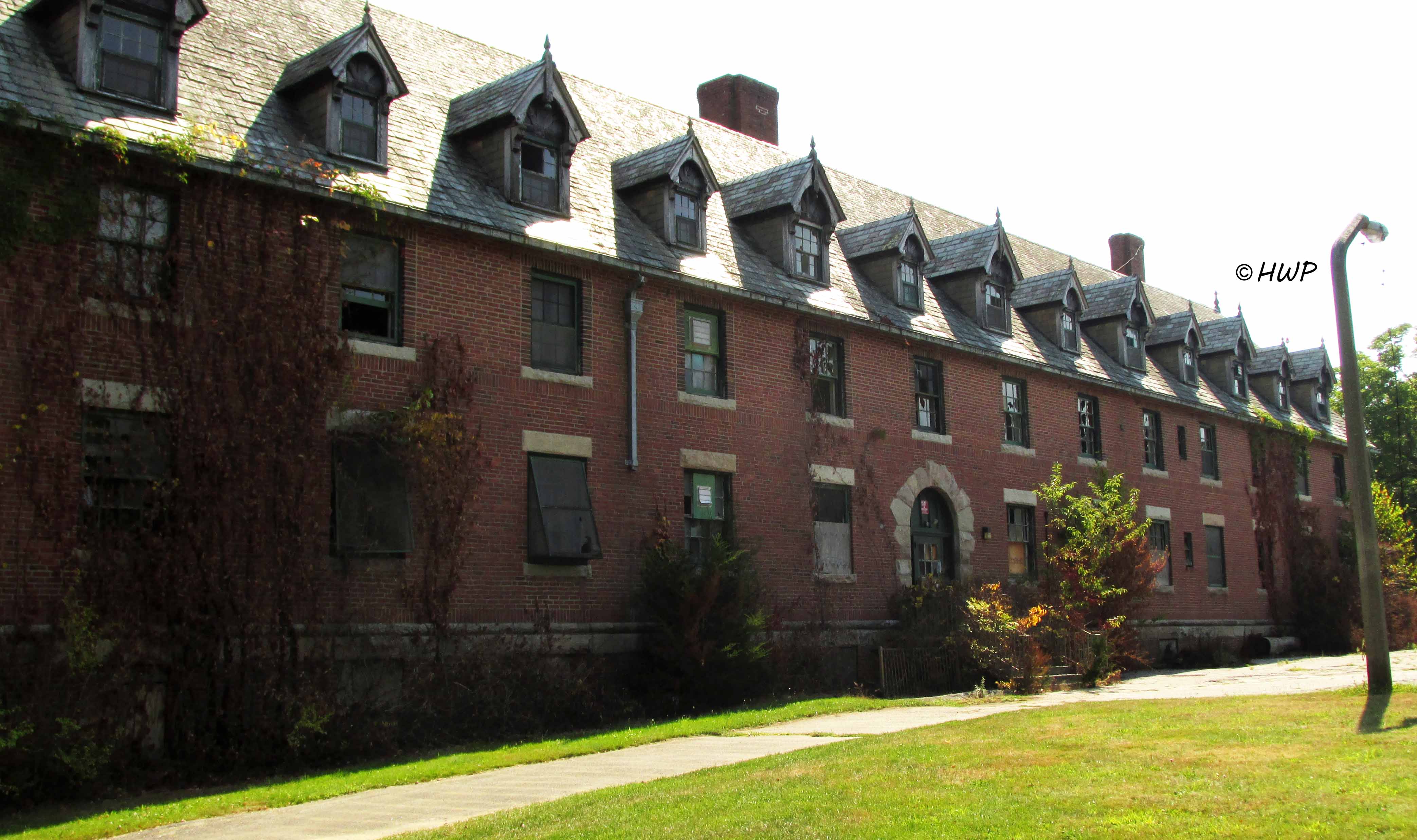
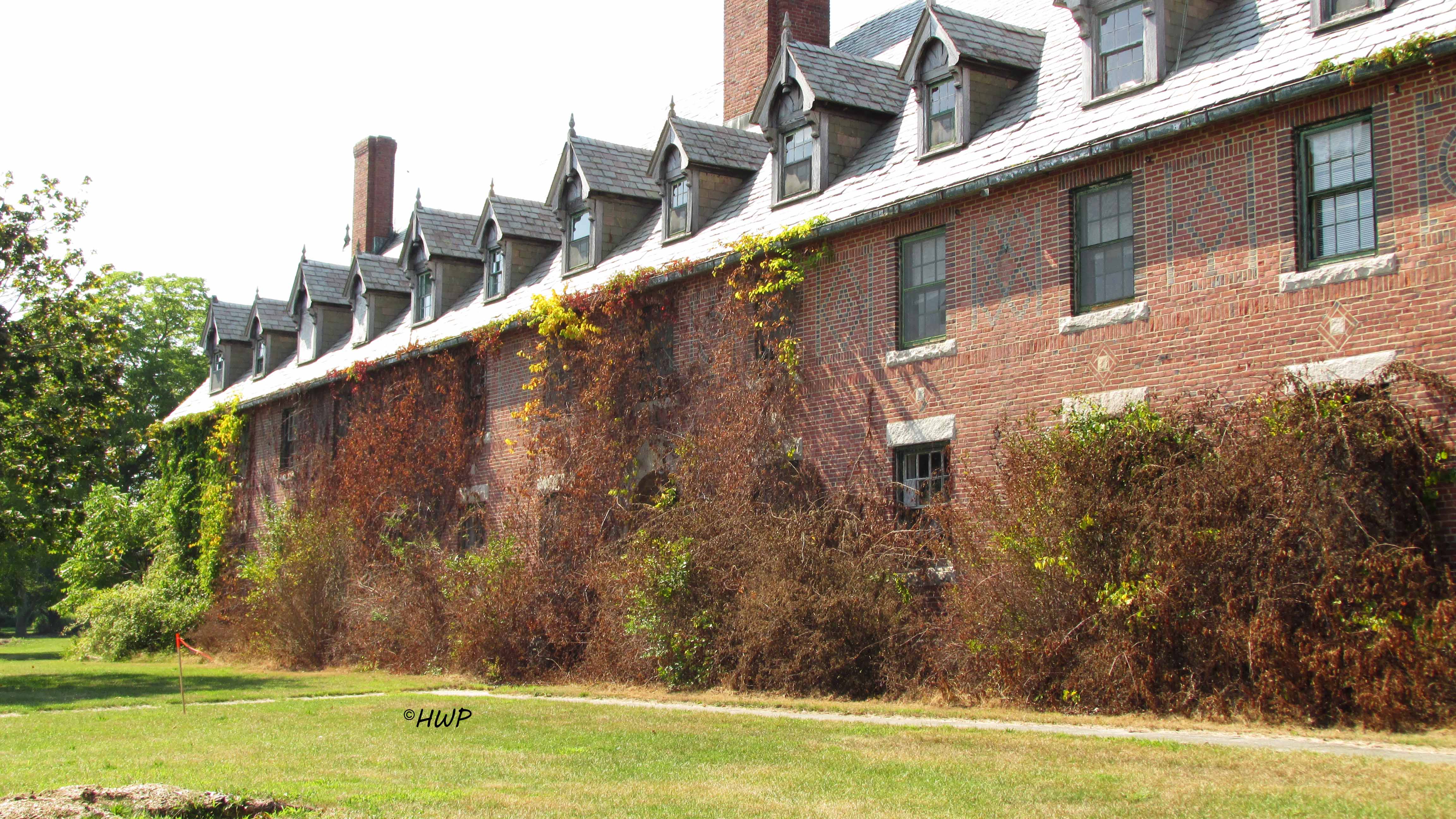
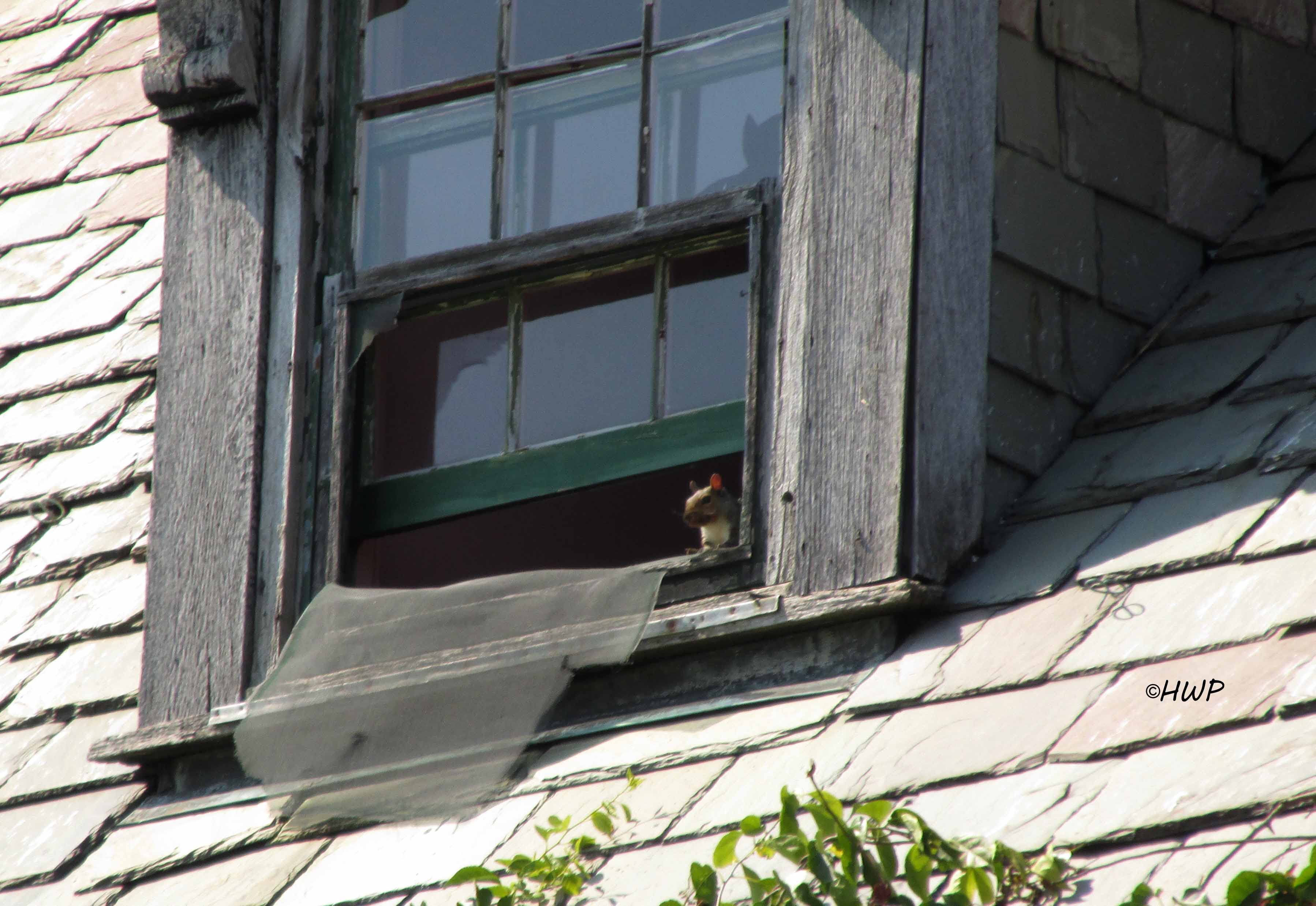
While the Main Hospital is the main attraction, its supporting act is the Nurse’s Building. Though it is not as ornate or extravagant as the Main Hospital, the Nurse’s Building is just as hauntingly beautiful. Windows have been boarded up. Wild vines coat the outer walls. The stairs from the old fire escape have been removed. A doorway that had been busted open by vandals has been crudely barricaded with mounds of dirt and tree branches. A small squirrel keeps watch from the upper rafters. But most noticeable of all, a family of Osprey has taken up residence on the buildings chimney. Perennial occupants, these massive birds of prey hold a strong presence over the entire grounds. Small birds hide when they fly by. The fearsome screeches of their feasting young echoes from their nest. And the massive adults keep close watch on anyone who passes by what has become their empire.


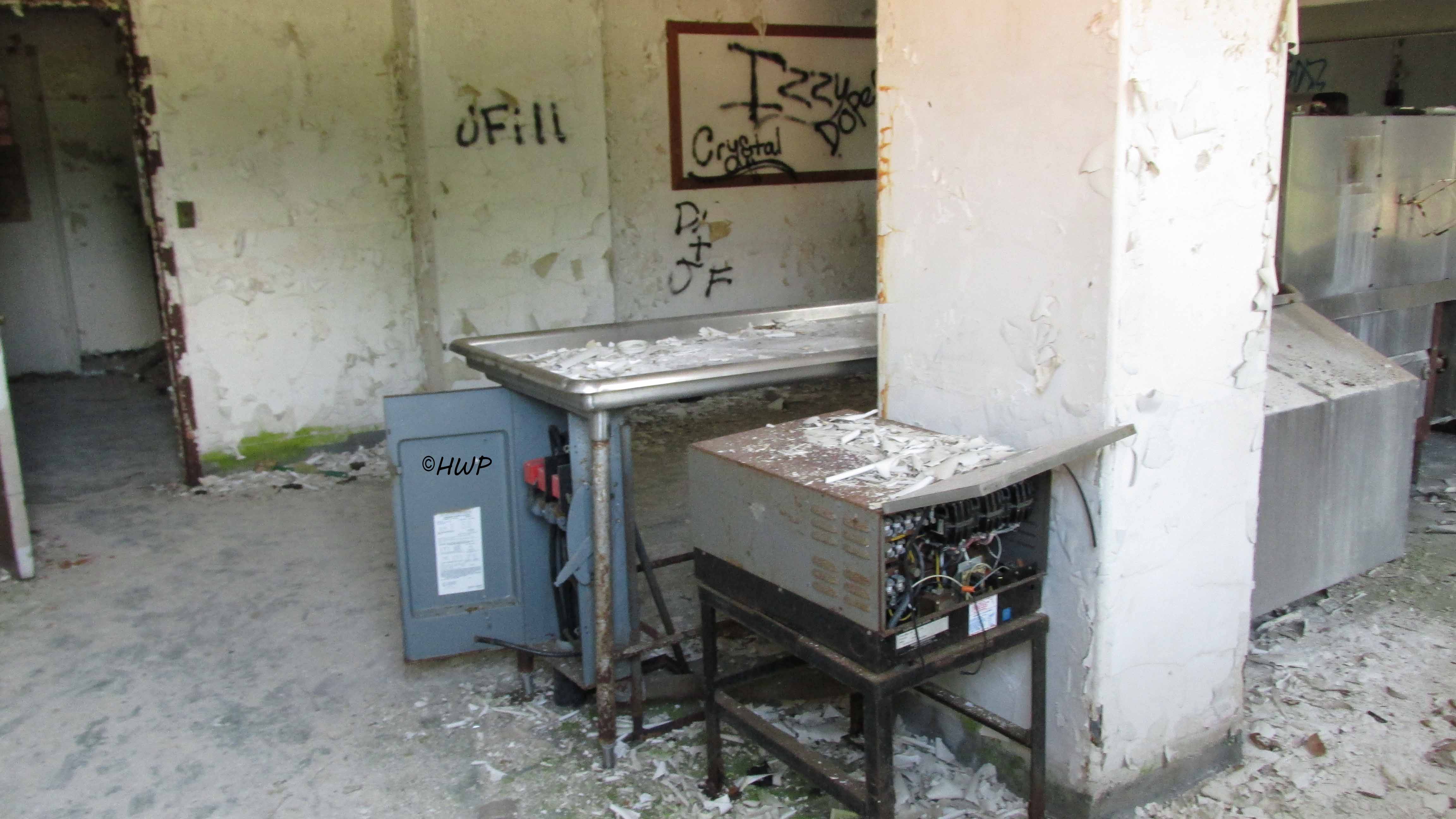
Of all the abandoned hospitals we have visited in our time, the main hospital of Seaside is the most breathtaking. Two broken lighthouses stand at its corners. A towering spire forms the center of the facility. Five brink floors stand tall before the Atlantic Ocean. The old ruins of the building’s parking lot lie in the back. The pavement still cracked with age. What is left of a playground stands at the front, defiantly facing the sea. An old slide slowly rusts into oblivion. A child’s merry go-round has become overrun with wild vines. Windows have been shattered. Walls have been defiled with graffiti. Inside, the shocking white paint hangs from the walls like sleeping albino bats. A few old pieces of furniture stands guard over any trespassers. And an earie silence fills the halls that were once full of patients and doctors alike. It is both comforting and terrifying.


The grounds still have an echo of their old past. A few dead power lines hang from rotting poles. A ghostly chessboard slowly disappears into the wild grass. A rusted fire hydrant still keeps watch over the facility. On our last visit, a round the clock security force was in place around the abandoned buildings. Today, there was no security to be found. And according to the locals, they’ve been gone for some time. The grounds have noticeably suffered since our last visit. When the cat’s away, the mice will play. And what terrible games they have been up to inside this poor facility. We encountered several destructive vandals on our trip, and had to frighten them out of the building on our own. These are the people that give what we do a bad name, and these are the people that cause the steady destruction of abandoned wonders like Seaside Sanatorium. She was once a proud and dignified medical facility. Now, she is nothing more than a crumbling kingdom.


Fly Away Home
The Abandoned Montgomery Mill
Written by: Wilk
Photographs by: Lassie

The state of Connecticut was once a place of industry. Factories and mills thrived for years in our little state. They provided income and jobs for small towns everywhere. But times change. We are now known as the “Insurance Capital of the World.” One by one, these former staples of the community slowly closed their doors as society continued to evolve. Today, these old factories now lie broken and forgotten all across the state. At one time, there were over seventy five abandoned mills in the state of Connecticut. Some, like the Montgomery Mill, stand looming over their small towns. They cast a shadow of the past across a growing community that tries to move on. We have explored several of these former factories over the years, but none have been as ominous, or as troubled, as the Montgomery Mill. From its haunting image, to its checkered history, the former factory stands in a class all its own.
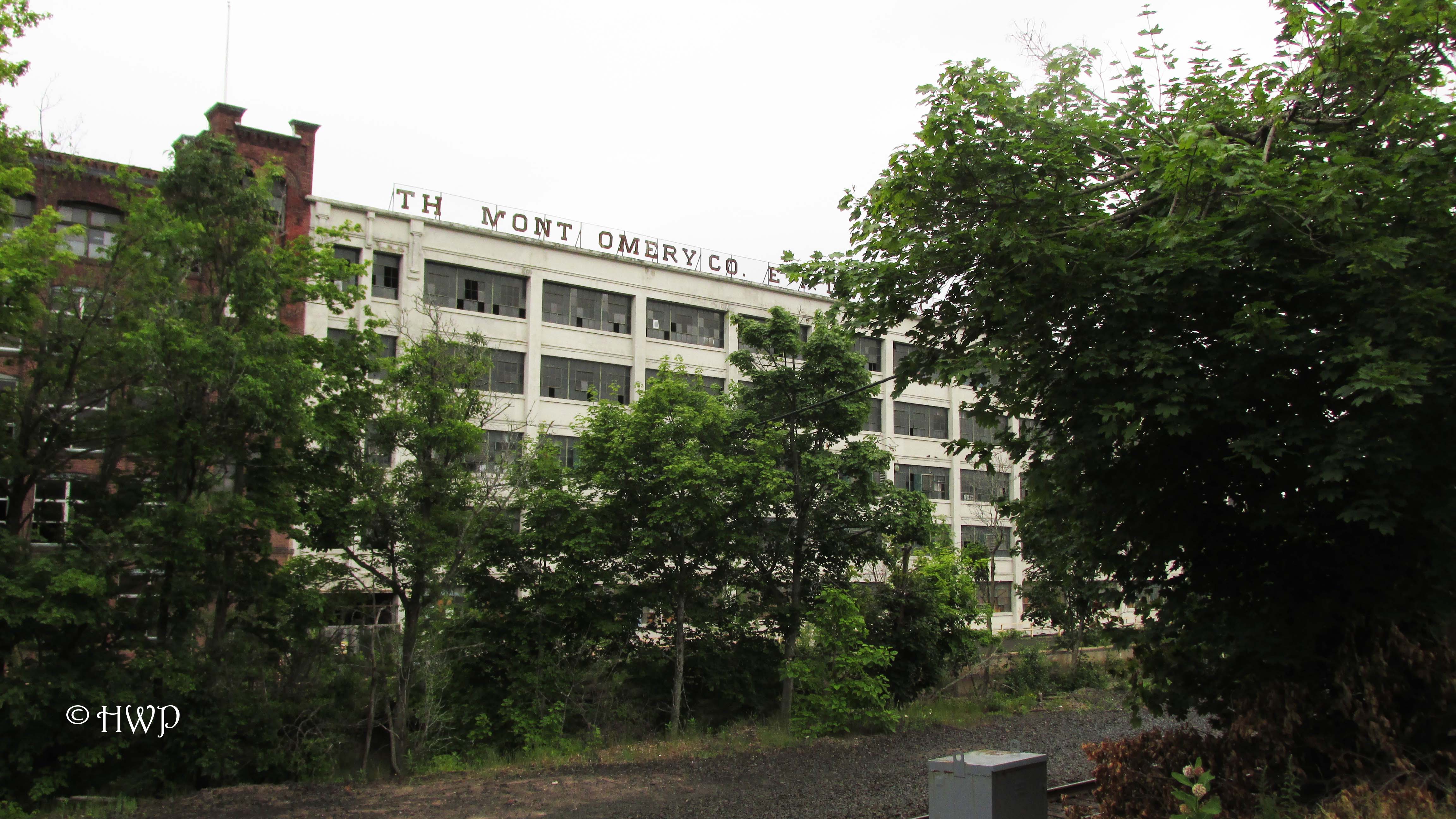

First built in the early 1800’s, the Montgomery Mill was once the jewel in the crown of the thriving town of Windsor Locks. It gave the people of the town jobs, and became the heart of downtown. Businesses and shops opened up all around the mill. In the mid 1900’s though, things began to change. During the 1960’s, the small town of Windsor Locks began to steadily decline. The Montgomery Company struggled on for several more years, before finally closing its doors in 1989. Since that day, the factory has been a constant topic of debate amongst the townspeople and a playground for destruction. The property has changed hands several times between land developers and entrepreneurs over the years, but nothing has come of it. There have also been three notable fires in the mill complex; all were found to be caused by arson. The property has since become a seedy refuge for the local homeless, vandals, and scrap metal scavengers.

Standing right alongside the banks of the mighty Connecticut River, the Montgomery Mill is truly a sight to see. Driving down Main Street, you really can’t miss it. The factory is huge, standing ominously over the small town beneath it. It casts a shadow over the entire area. Eerily reminiscent to some of the buildings of Prypiat, Ukraine, the place is hauntingly captivating. There are multiple buildings in the complex, each one lies in a state of utter decay. The main factory stands six floors. Windows have been smashed. Fences have been put up. Doors have been boarded up. Even a few letters from the buildings sign that once read “The Montgomery Co. Est. 1871 Decorative and Electric Tinsels” have been lost. Wild vines and vegetation grow along the base of the factory, and even inside the basement. An old rusty fence protected by some jagged barbed wire and a faded stop sign block the entrance to the main complex.


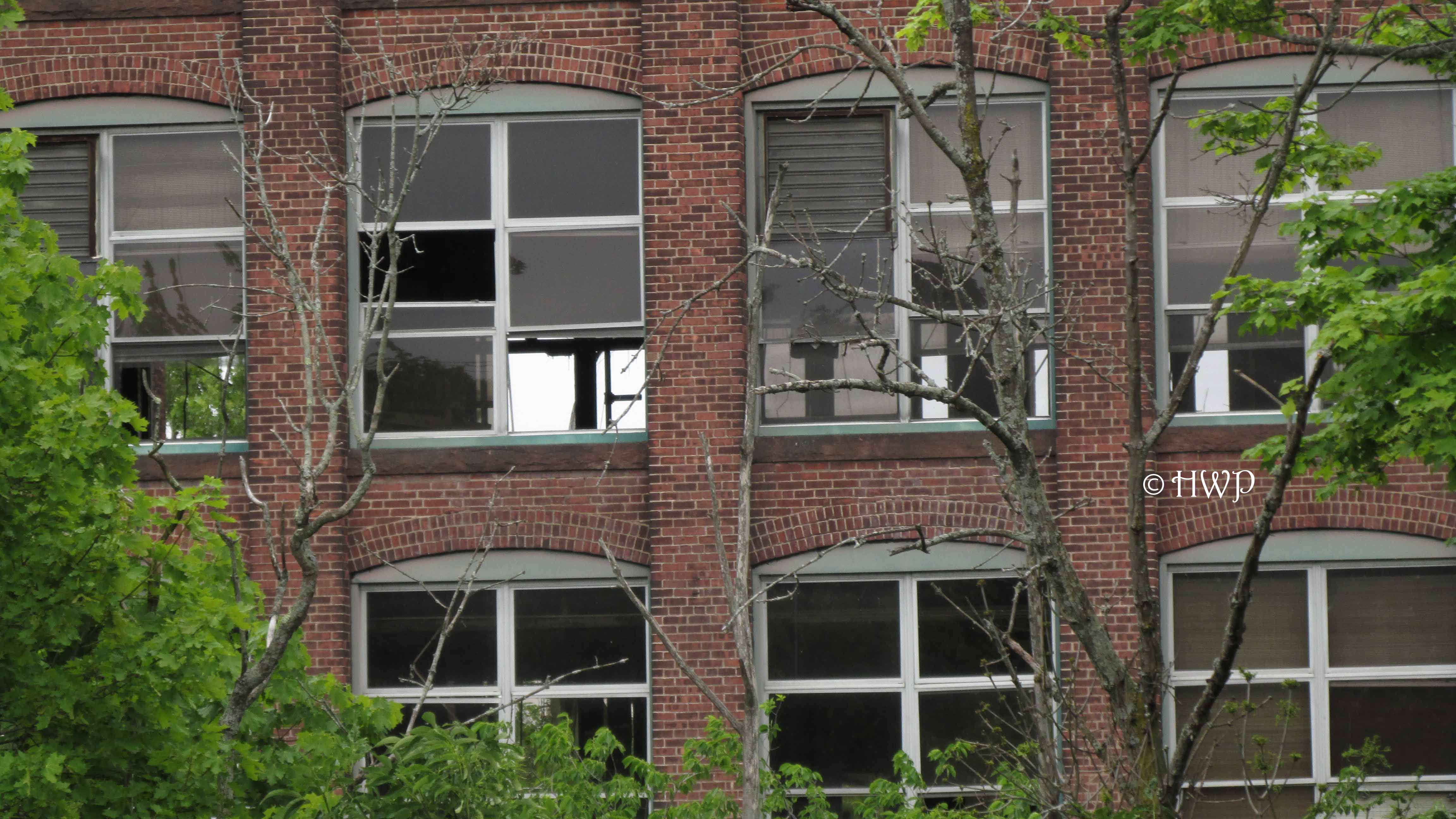

What makes the Montgomery Mill so unique are its new residents. Though the workers of the factory are long gone, the local bird population has taken up residence in the now empty halls. Squads of pigeons and doves line the rooftops and window sills of the mill, spying on all those that enter their domain. But they are not the ones that rule this roost. A family of Bald Eagles has taken up residence inside of the factory. Conservationists believe that they are currently raising several young hatchlings somewhere inside the main building. For this reason, it is forbidden to enter the factory. If nesting Bald Eagles are disturbed, they will abandon their young and instinctively never return to their nest. We did not enter the factory, and we urge all our fellow explorers to do the same. The Bald Eagle is an endangered species, and their space must be respected. Unfortunately, we were unable to catch a glimpse of them.

Sitting in a state of beautiful decay, the Montgomery Mill stands as one of the more unique places we have ever visited. Even though we weren’t able to get inside of the abandoned factory, it is still worth a visit just to see this place. While the roaring river beside it continues to flow, the grounds still sit in defeat. Though many see it as an eye soar and sad reminder of downtown’s downfall, there is still a glimmer of hope for the property. The animal that captivates the American spirit and pride has chosen this former mill as its nesting grounds. When they move on, there are still plans for the town to finally foreclose on the property and begin the rebuilding process. Until that day, the Montgomery Mill stands waiting, casting its ominous shadow across the community. But much like the American Bald Eagle, the town continues to persevere, flying onward in hopes of a better tomorrow.


**For the rest of the photographs from the Montgomery Mill, please visit our Facebook page HERE!! Please like, share, and comment on your favorite articles/photographs! Thank you for visiting Abandoned Wonders!!**
Things We Lost in the Fire
The Ruins of the Norton Paper Mill
Written by: Sean L.
Photographs by: Amanda H.
Fire has changed the course of mankind more than most forces of nature. It has given life. During the early days of our evolution, it was fire that kept people warm. Fire cooked food, and provided a strong sense of comfort to early man. But it has also taken life. Over the years, roaring and out of control fires have caused untold amounts of damage and suffering. As quoted in Gareth Edward’s Godzilla; “The arrogance of man is thinking that nature is within our control, and not the other way around.” Forests have fallen. Lives have been destroyed. Empires have crumbled, all at the mercy of the fire. When the fire strikes, some rise from the ashes. Others lie in ruin. We discovered one such place on a shining spring day. Sitting alongside part of what is considered the most dammed watershed in all of North America, this once mighty paper mill was decimated by a raging fire decades ago. She has yet to recover from her wounds, and still lies severely scarred and burned. Welcome to the Norton Paper Mill.

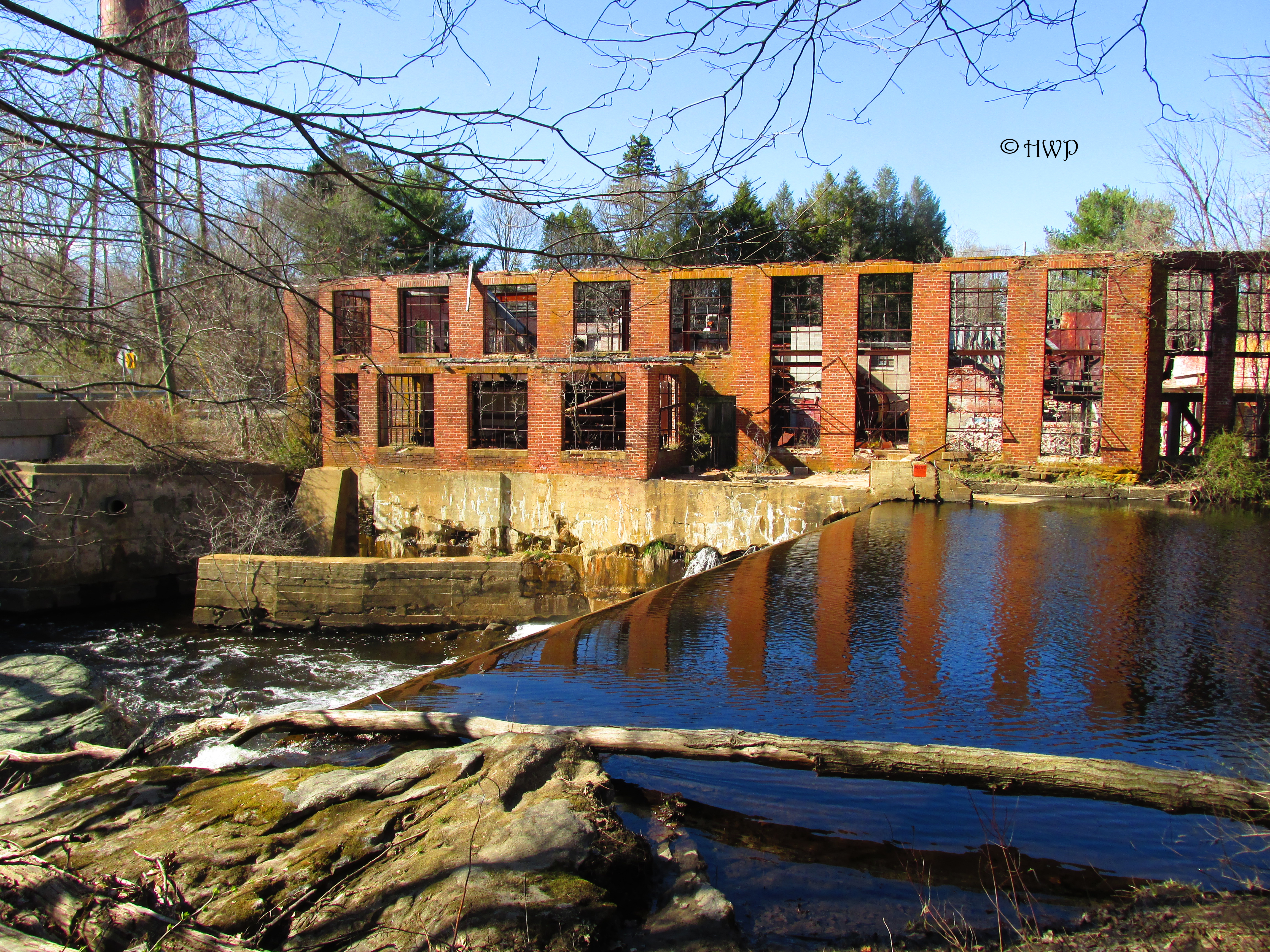
Originally owned by the locally prominent Norton family, the mill is believed to have been established in the late 1800’s. Its founder, C.H. Norton, inherited the property from his family and built the mill along the Jeremy River in what is now the Westchester section of Colchester, Connecticut. It was originally commissioned as a saw and grist mill. For many years, the mill had a very successful run producing all kinds of paper products for customers all over the region. Paper produced at the mill went into everything from books, binders, and even shoes. Throughout its existence, the Norton Paper Mill survived one large fire. However, it could not survive a second one. During the 1960’s, a purging fire caused massive amounts of damage and destruction to the mill, forcing it to close down for good. Since that fateful day, the Mill has become an absolute wasteland. While the river still roars past it, the dam built for the mill slowly crumbles along with the structure. Over the years, chain link fences have been installed and windows have been boarded up to keep trespassers out.
But that never stops us. We visited the ruins of the Norton Paper Mill on a beautiful Saturday afternoon in late April. It is a short drive past the on and off ramps of Route 2 on Old Hartford Road in Colchester, Connecticut. The local Airline trail is also in close proximity. The ruins sit directly alongside the rather busy Route 149 in the rural part of town. When driving by, you really cannot miss the ruins. They are massive, and frankly quite noticeable. The roof is completely caved in, and a chain link fence spans the entire perimeter of the property. Though there are a few neighboring houses, we simply drove up to and parked beside the abandoned ruins. There was nobody around, and things were very quiet. “NO TRESPASSING” and “KEEP OUT” signs are posted all over the abandoned mill. Unfortunately, there was no real way inside without climbing over and hopping the chain link fence, which is against our policy. The interiors of the mill are in absolutely deplorable conditions, but they are very clearly visible from the outside though.
There are two crumbling buildings that comprise the mill. Both are in a very derelict state of decay. Old and rusted equipment of all kinds is still inside, simply left to rot from many years ago. Large metal radiators and gauges have turned to a sullen brown with years upon years of rust damage. Several shelves of old tools and materials still sit inside collecting dust and decay. An old and rusted water tower stands in the distance, casting a shadow over the old mill. The damage from the fire is extensive, and still very noticeable. Charred and blackened pieces of wood are scattered amongst the wreckage. All of the ground floor windows are boarded up with heavy plywood. The higher windows all have metal bars on them, or have chain link fences positioned strategically behind them. The town of Colchester clearly does not want any visitors at the old mill, and they have good reason. The place is a wasteland, and clearly still very dangerous. The waters of the roaring river pore out of the slowly crumbling basement of the mill. It is only a matter of time before it all collapses.
There is currently a strong movement amongst the townspeople of Colchester and certain environmental groups to have the mill demolished and re-commissioned as a state park. Apparently, the local Salmon population is unable to migrate using the James River due to the dam installed by the mill many years ago. Since the mill has long been out of business, there is not much purpose any more. The future will tell whether or not this movement will ever be successful. Though it is pretty much impossible to get inside the ruins of the mill without breaking in, it is still very much worth a visit. Since the great fire that caused its untimely demise, the old mill sits pretty much untouched by the hands of man. It is grim reminder of the true fury of the flame, and just how uncontrollable the forces of nature can be. The very thing that gave us life ages ago, was the thing that put an end to this once prominent business. The Norton Paper Mill still sits in smoldering defeat, just one of many things we lost in the fire.
Fortress of Solitude
The Abandoned Fort Mansfield
Written by: Sean L.
Photographs by: Amanda H.

The waves of the ocean crash up against the sandy shore. Fierce gusts of wind shriek through the tall sea grass. Packs of white gulls soar overhead, cackling and cawing to each other. The sun shines powerful and radiant in the sky. The deep Atlantic water is an enchanting shade of bright blue. This is Napatree Point, Rhode Island. And somewhere, lost in the vegetation of this place, lays an abandoned military fortress. The ramparts crumble as they slowly succumb to the barrage of time. Dark and empty corridors are haunted by the ghosts of the past. What once served as the first defense of the American homeland now lies in total silence. This is Fort Mansfield, forgotten by some and a legend to others. Unlike one of the other famous abandoned military forts in Rhode Island, Fort Wetherill (see our write-up here), this former coastal artillery instillation has been all but lost to the white sands of Napatree Point. Located in the village of Watch Hill, Fort Mansfield was one of our most difficult treks, but also one of our most rewarding discoveries.

Fort Mansfield has called Napatree Point home since its creation in the early twentieth century. The point is a small piece of land branching out from the town of Watch Hill. The United States military first purchased the property in 1898, as part of a new program to install artillery batteries all along the coast of New England. Though it may not have as rich of a history as Fort Wetherill, Mansfield does have a much sadder story than its legendary cousin. The fort was officially commissioned in 1902. However, during the war games of the early 1900’s, a fatal flaw was discovered in the fort’s design. The guns of the fort would be unable to repel a head-on assault from the sea, and it would be an easy target for an amphibious assault. Thus, the fort was decommissioned from active status in 1909. Over the years, the garrison of the fortress slowly dwindled as the military lost all interest and faith in it. The land was finally sold back to the town of Watch Hill in 1928. The fortress has remained abandoned ever since.
Having heard whispers of Fort Mansfield in the past without ever finding much information about it, we decided to go searching for it during the fall of 2014. As a burrow of the town of Westerly, Watch Hill is quite the summer hotspot, but it goes quiet during the offseason. Napatree Point is perfectly legal to walk, except for the handful of beachside bungalows at the very beginning. There is a nice little parking lot that is free to park at right in the middle of downtown Watch Hill. After parking, we began our walk down the point. There is beach on either side of the point, with thick vegetation in the middle. This is also a bird sanctuary during the summer nesting season. It is roughly a little over a mile to the very tip of the point. It is also fiercely windy due to the proximity to the ocean. The early stages of the point are decently trafficked by beachgoers, but the end of the point is deserted. After a long time combing through the point’s thick grass, we finally came upon the abandoned fortress.
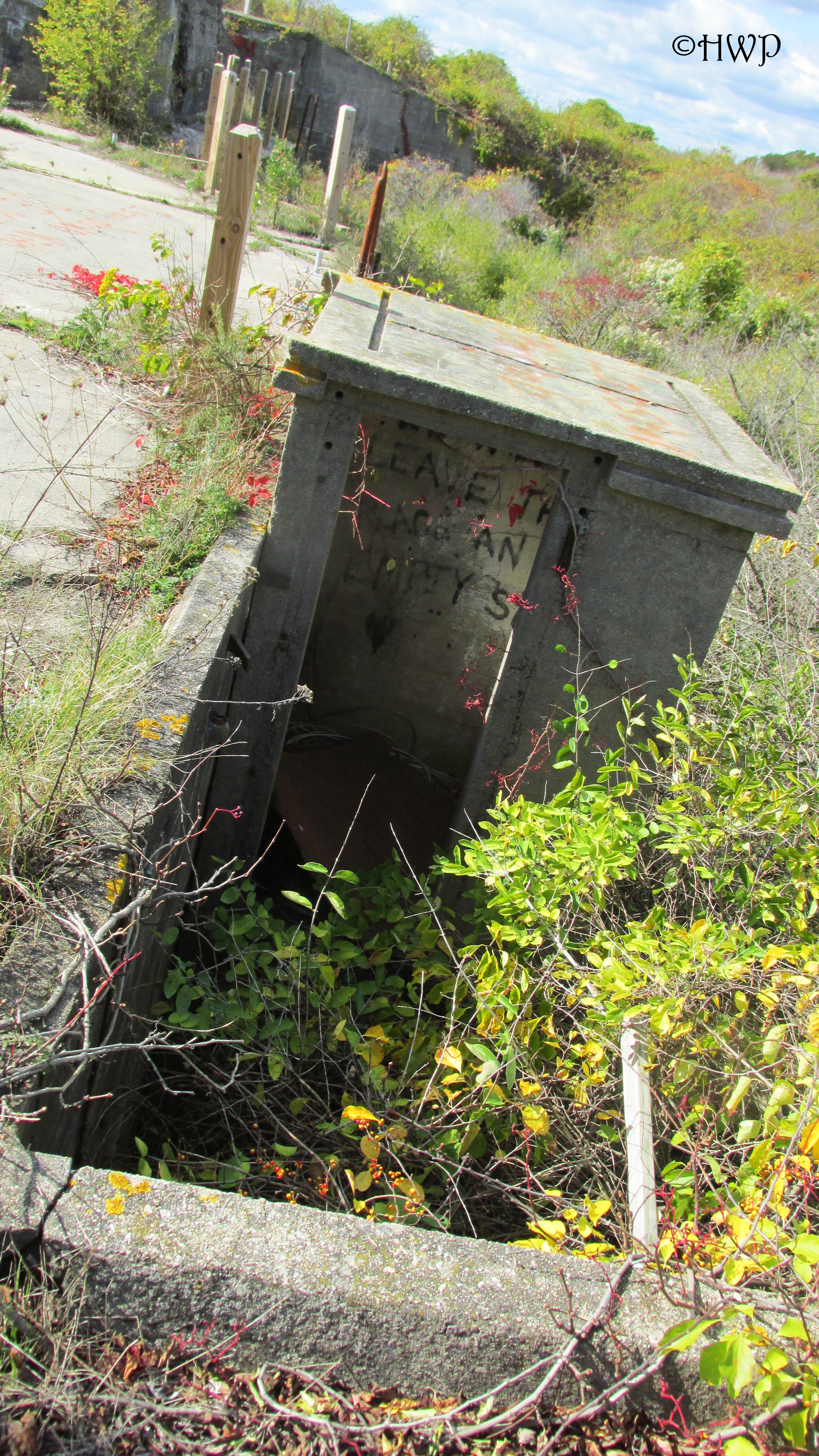
The fortress is comprised of two sections: one part contains the first two artillery instillations and the second section is a brief walk away containing the third instillation. There were once a few buildings here, but they have long since been demolished. The first section is a pretty good size. Though it is not as covered in graffiti as Fort Wetherill, Fort Mansfield is still pretty vandalized. Lots of tagging covers the walls, and there is plenty of liter down in the lower tunnels. The local fire department had put up some fencing around the outer walls of the fort to prevent visitors from getting in, but they are quite easily bypassed via a few still functioning ladders and former staircases. Several metal slabs have also been placed over certain points. Except for the blistering gusts of wind, this place is completely silent. There are several entrance points down to the lower levels. Since the front walls have been knocked out, there is a decent amount of light down here. The floor is also completely flooded in certain rooms from years of rain and high tides.
The second section of the fort is a brief walk down an overgrown path. It sits on the very edge of Napatree Point, giving an excellent view of the Rhode Island coastline. It is much smaller than the first section of the fort, and is much more difficult to see. Tall sea grass and vegetation keep it very well hidden. The graffiti here is actually much more light hearted than the first section. At the very top of the fort, there are a couple of small staircases leading up to what must have once been look out posts. They provide excellent cover from the merciless wind. Unlike the first section, there are no barricades or fences to deter visitors here. Down to the lower levels, there are several large empty rooms. They are in complete darkness, yet they are completely empty save for the trash of vandals. Someone, or something, is most definitely living here. While exploring the dark passages of the lower levels, we heard something moving around in the tunnels. We didn’t stick around to find out what it was.
Though it is a bit of a trek and can be difficult to find if you don’t know where to look, Fort Mansfield is definitely worth a visit. Unlike the legendary Fort Wetherill, this abandoned base is not home for teenage destruction and vandalism. Because of its remote location, the fort is only enjoyed by those who are willing to make the journey. The fierce winds and the hot sand make it a tough trek, but the fort is more than worth it. While the coastal town around it continues to grow and flourish, Fort Mansfield continues to stray out of thought and time. It is the ruins of a fortress that never got to be. Its run as a coastal artillery unit was cut tragically short by a fatal flaw. Now the land weeps, haunted by a purpose that it never got to fulfill. It is truly a fortress of solitude; quiet and alone, but still standing guard over its former territory.

View on the walk back
Cape Cod’s Psycho
The Abandoned Bates Motel
Written by: Wilk
Photographs by: Lassie
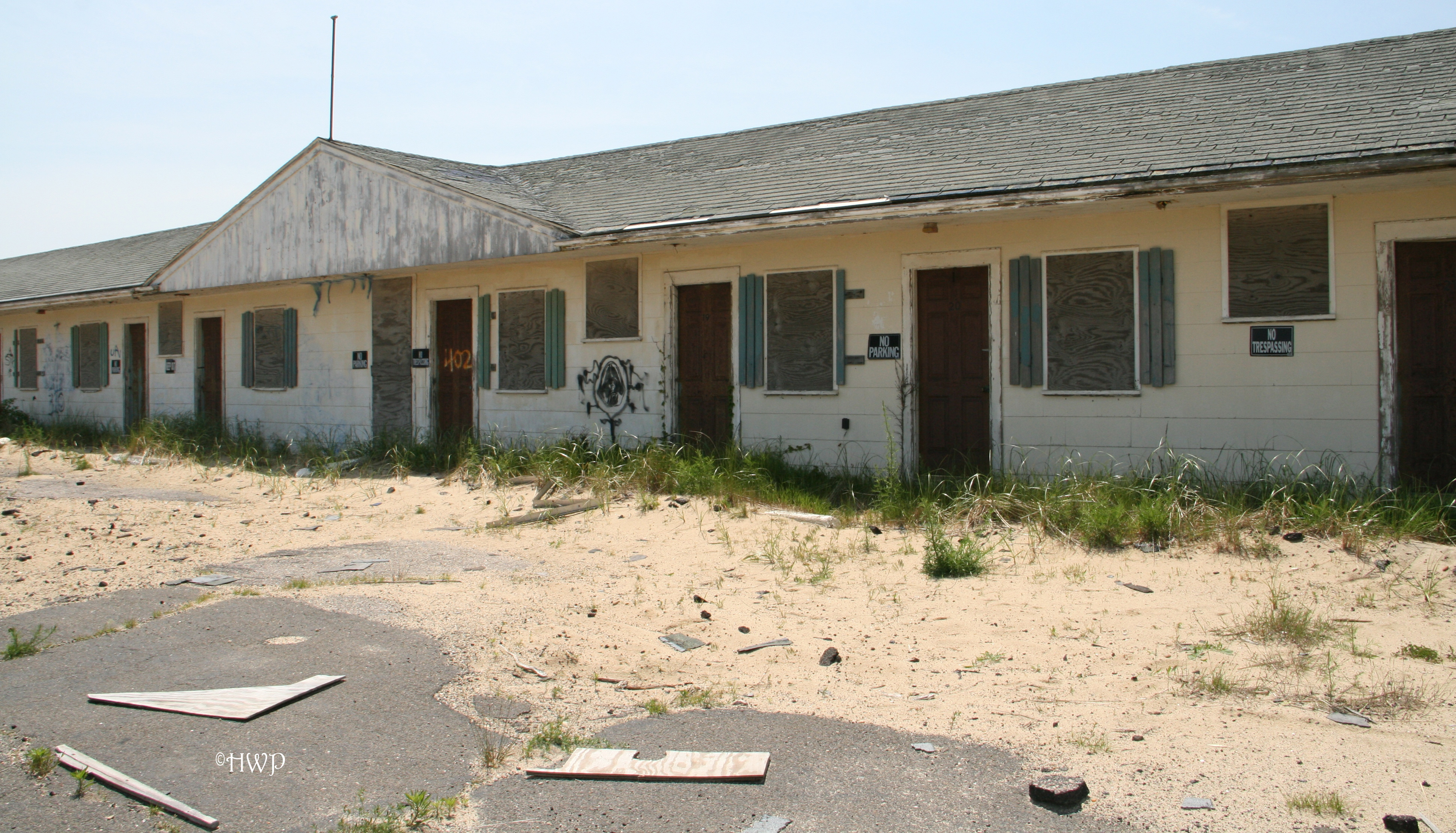 Cape Cod is a place of wonder and enjoyment for people all over New England. During the summertime, this place becomes the most popular hot spot for tourism in the entire region. Beach goers frolic in the rolling ocean waves. Families vacation in old school cottages. Tourists from around the globe get a taste of what New England life is all about. There’s fishing, sailing, whale watching tours, and even colonial history in Cape Cod. It is truly the crown jewel in the state of Massachusetts. But nestled deep in this vacation destination is a place saltier than the ocean air. It is the subject of many legends, and shares the name with one of the most feared places in Hollywood movie lore: The Bates Motel. Between the luxurious hotels and extravagant summer homes lies a place that would make even Psycho creator and horror master Alfred Hitchcock himself uneasy.
To this day, we have found very little information at all on the Bates Motel. We cannot even be positive if that is its real name. It does in fact bear a striking resemblance to the fabled motel of the film Psycho and its contemporary series Bates Motel. From what we have gathered, the motel has been abandoned for at least twenty years, it has been the sight of many alleged hauntings, and it is smack dab in the middle of a very rich neighborhood. What we can tell you is that Bates Motel is located in the small town of Truro, Massachusetts. It is the second to last town on the furthest corner of Cape Cod, just slightly south of the beloved and lively Provincetown. It located right of Route 6A. Once called Old King’s Highway, this stretch of highway runs across the entire length of Cape Cod.
We made our pilgrimage to the abandoned Bates Motel on a hot summer day in early June. The school years were just coming to an end, so Cape Cod was just starting to wake up from its off-season slumber. It was far from being a ghost town, but it was nowhere near as busy or as crowded as it gets during the later summer months. The trip down 6A was about an hour from our hotel, which was in the heart of the Cape. The trip up was rather nice, as 6A is a beautiful road to travel on. The traffic was light, the sun was out, and there is always something to see while driving around Cape Cod. The closer you get to the edge of the Cape, the narrower the land becomes. So by the time we got to Truro, there was ocean on either side.

Finding the abandoned Bates Motel wasn’t too difficult. It is located quite literally right off of Route 6A. It is along a road heavily populated with beach houses, summer homes, small cottages, and big hotels. You get an excellent view of the ocean from this neighborhood. If you look closely, you can even see the bustling town of Provincetown from the road. Just a short stretch down through this rich vacation neighborhood, we found the abandoned motel. Though its ghastly state of disrepair sticks out like a sore thumb amongst these summer palaces, it somehow blends in with the buildings and the sand around it. It is almost as if the abandoned Bates Motel is still trying to fit in with these vacation homes that it once resembled, even though it has been many years since any guests passed through its doors.
The motel itself is truly a sight to see. Though all around it are busy and popular resorts, it is completely silent in front of the Bates Motel. The only sounds to be heard are the pesky seagulls soaring overheard and the steady lapping of the ocean up against the shores of Truro. The paintjob of the building seemed to once be a shade of white or yellow, it now has a strong brown tint to it. There are about twelve rooms total across the motel. Every window has been boarded up. Every door to every room has a sturdy padlock on it, guarding the former motel from any unwanted guests. There are NO TRESPASSING, NO PARKING, and KEEP OUT signs posted all over the grounds. Clearly, someone out there does not want the Bates Motel to have any visitors. And for good reason.

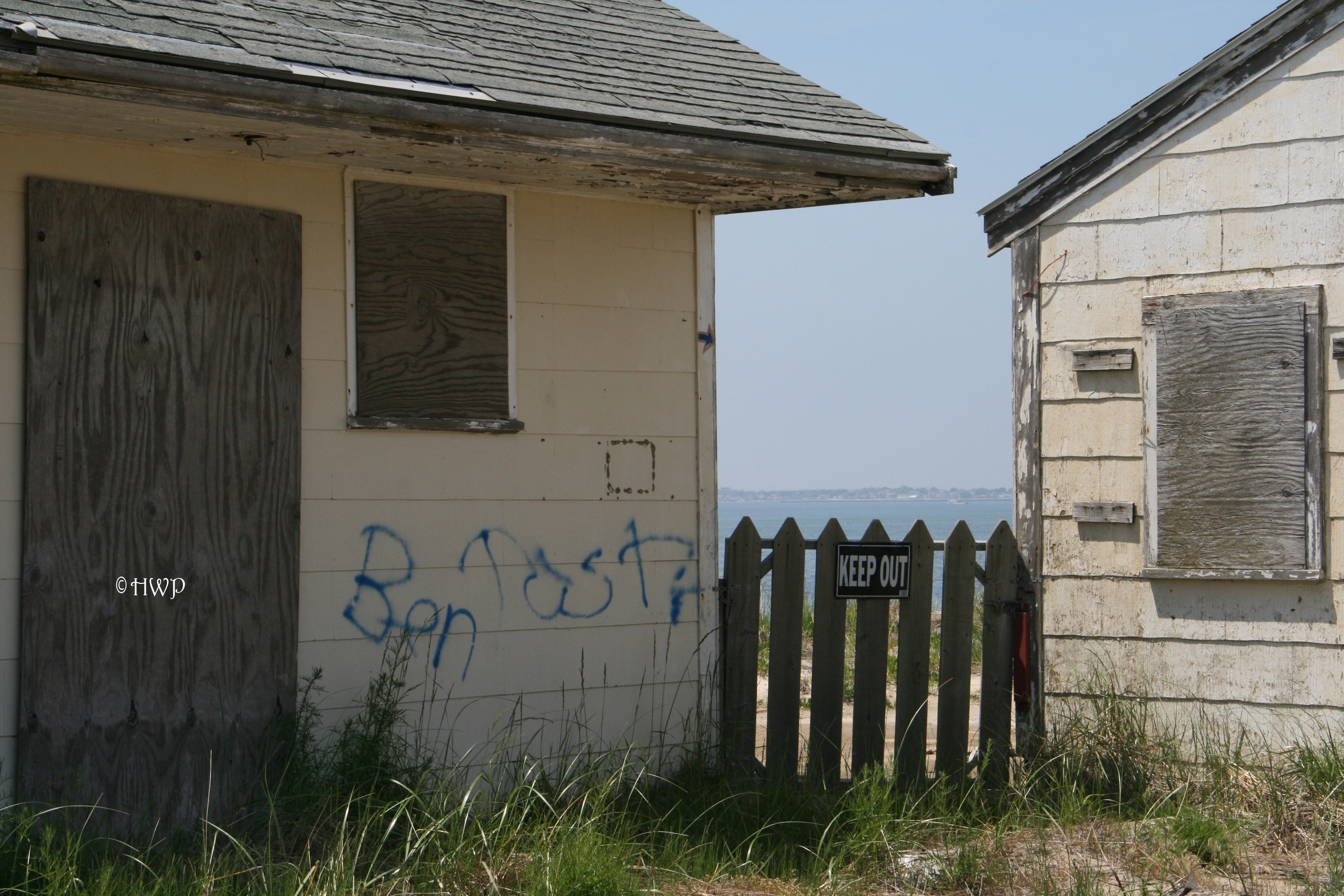


Not only is the building and the grounds in a harsh state of disrepair, there is a very strong and uneasy sense about this place. This once happy and fun filled place is now a place out of a nightmare. Strange and unsettling graffiti can be spotted along some of the walls and doors. Tall beach grass grows all along the sides of the building. The pavement of the parking lot is cracked and broken. Yet from the back of the motel, you can still get an excellent beachfront view of the ocean. It is strange to see this place the way that it is now, especially with the flourishing community surrounding it. Three small derelict cottages sit next to the motel, just as decrepit and abandoned. It is unclear whether they were a part of Bates Motel or were simply left behind for having the unfortunate bad luck of being neighbors with this dark place.


What makes Bates Motel so baffling and unsettling is its location. It is located beachside in a very busy and beautiful summer destination, yet it remains in a state of very poor disrepair. This property could be sold for millions if it was purchased by the right person and turned into a functioning hotel. It allegedly is for sale. Yet mysteriously, it remains abandoned. One rumor that we heard about the legendary motel is that the property became caught up in some sort of family legal battle, and eventually closed. Never to reopen. Though it bears a striking resemblance to Norman Bates and his beloved mother’s establishment from the films and television show, the connection between the cultural icon and the abandoned motel has yet to be made. It may not have any connection with the movie legend, but the real Bates Motel is definitely just as creepy.

Find more of our photographs and articles at www.facebook.com/abandonedwonders. Feel free to like this article, share it, comment on it, etc.! We love to hear your feedback!
The Devil’s Playground
The Abandoned Fort Wetherill
Written by: Wilk
Photographs by: Lassie

While our home state of Connecticut is known amongst the urban explorer community for its many abandoned hospitals and insane asylums, the neighboring state of Rhode Island is known for something different. Due to its coastal proximity and value, the Ocean State is home to several abandoned seaside fortresses. Most of these forts date back to the early colonial days of America, with British, French, and Colonial forces occupying them at one time or another throughout the pages of history. Sadly, over the years the uses for these coastal protectors has dwindled. Many of the former forts and artillery batteries are now abandoned. Now, with no watchmen watching over these former watchtowers, they have become plagued by vandals, graffiti artists, and delinquents. It is these lawless individuals have made these places into their very own playground for destruction.
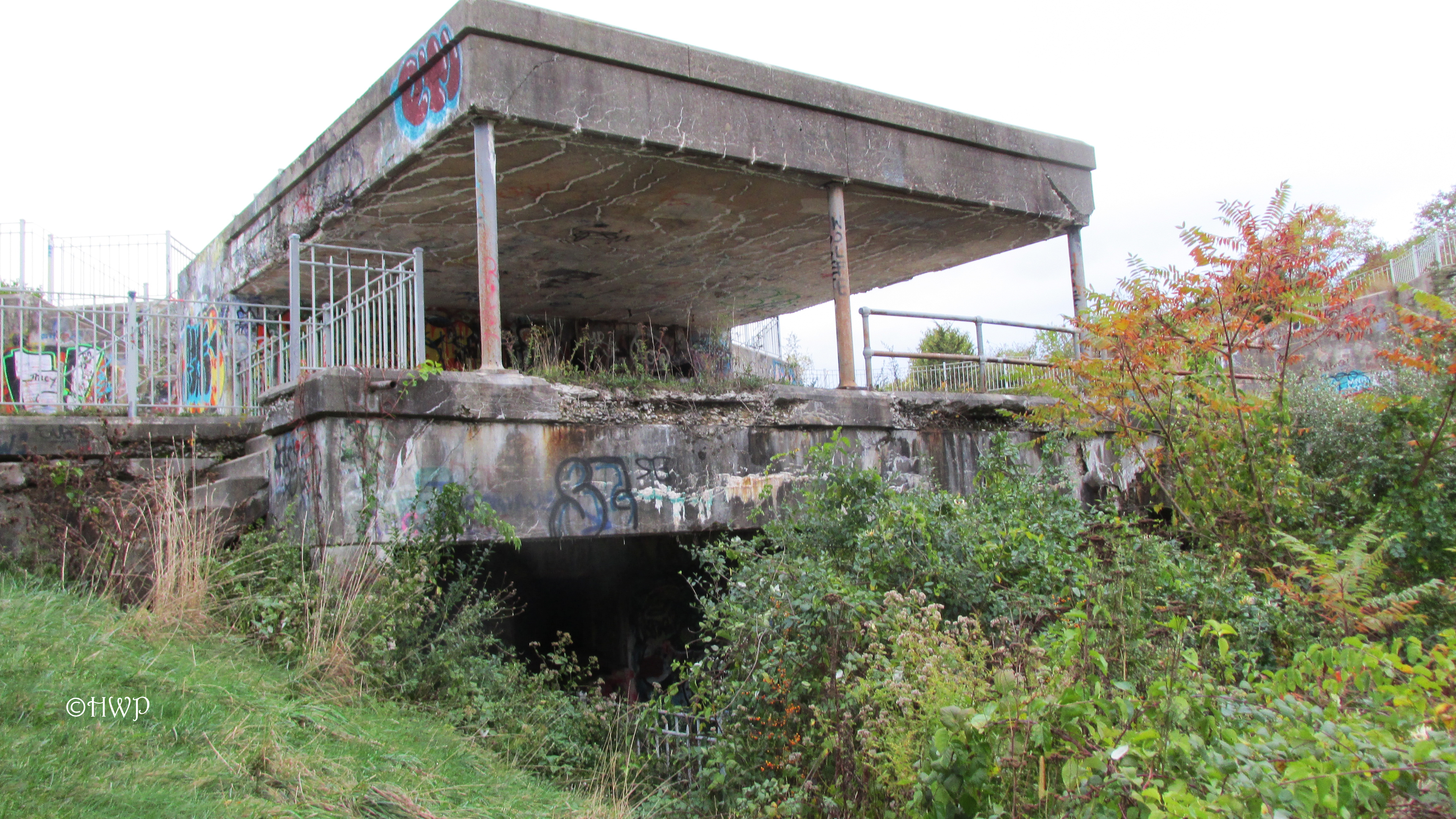
Perhaps the most well-known of these former coastal protectors is Fort Wetherill. Located in the town of Jamestown, Rhode Island, Fort Wetherill is a mere stone’s throw away from the neighboring town of Newport. The history of the site dates back to the early 18th century. To protect the Narragansett Bay area, Fort Dumpling was built by British forces. After the expulsion, Fort Wetherill was constructed in its place by the American military a mere hundred years later in 1899. As a protector for the wealthy city of Newport and the New England mainland, Fort Wetherill proved to be very active during both World Wars as an artillery placement and troop station. Another primary task of the fort was to oversee the minefields erected during World War II. But following the “War to end all Wars,” Fort Wetherill was decommissioned in 1946. It was then left abandoned for many years.
Fortunately, the grounds were reacquired by the State of Rhode Island in the year of 1972. Due to its large granite cliffs and excellent view of the ocean, the grounds were commissioned as a state park. It is currently enjoyed today by many for sailing, fishing, and other water sports. The fortress, however, still stands. The state did just enough to make the grounds not dangerous, by removing all hazardous materials and sealing off the upper and lower tunnel networks. By not demolishing the fort, the state left it at the mercy of the elements and the more destructive visitors the park. The tunnels are now filled with trash. The walls are coated with graffiti. And instead of soldiers, the fortress is garrisoned only by drunken teenagers. We decided to visit this former fort on a gloomy fall day.
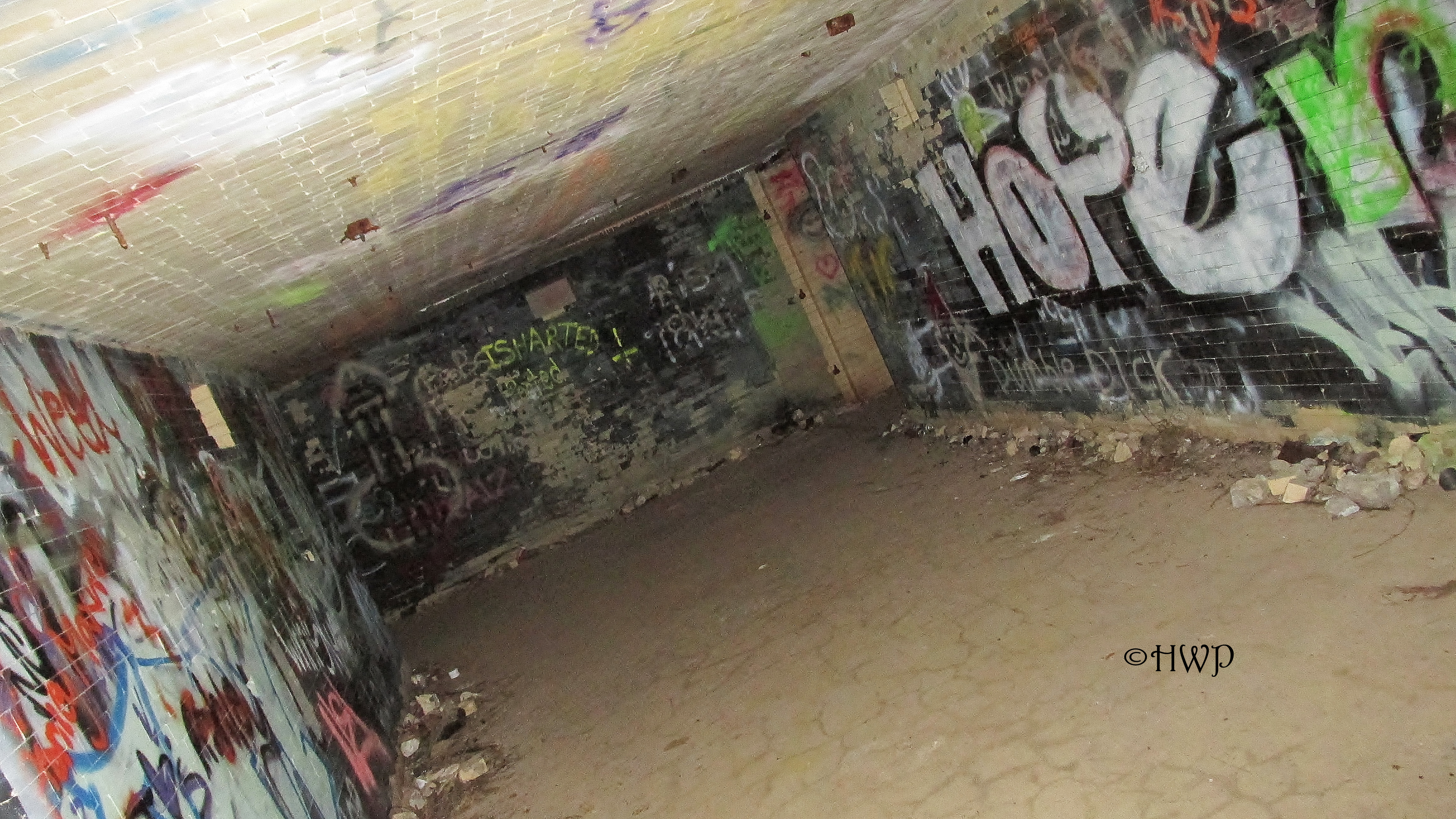

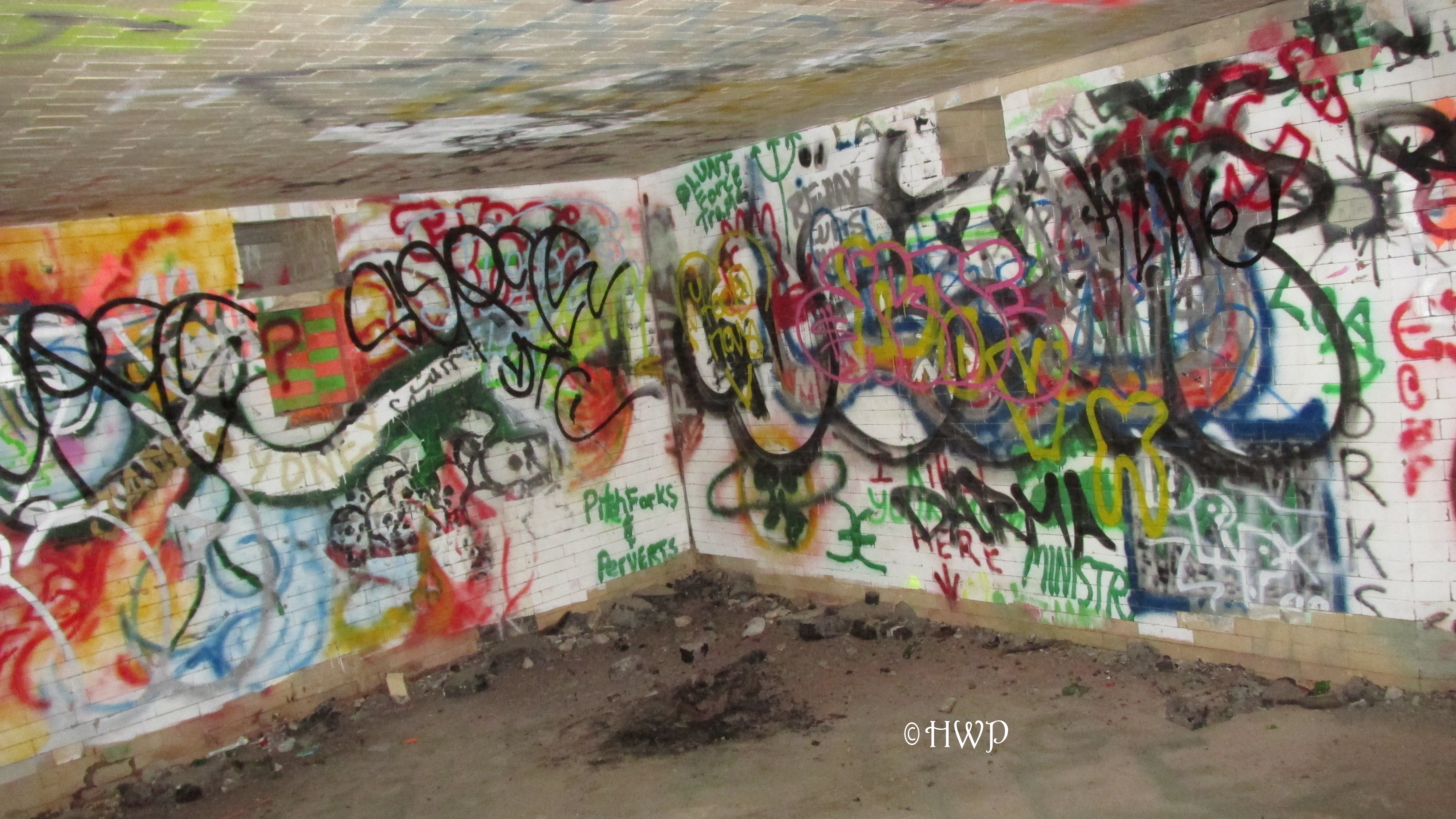
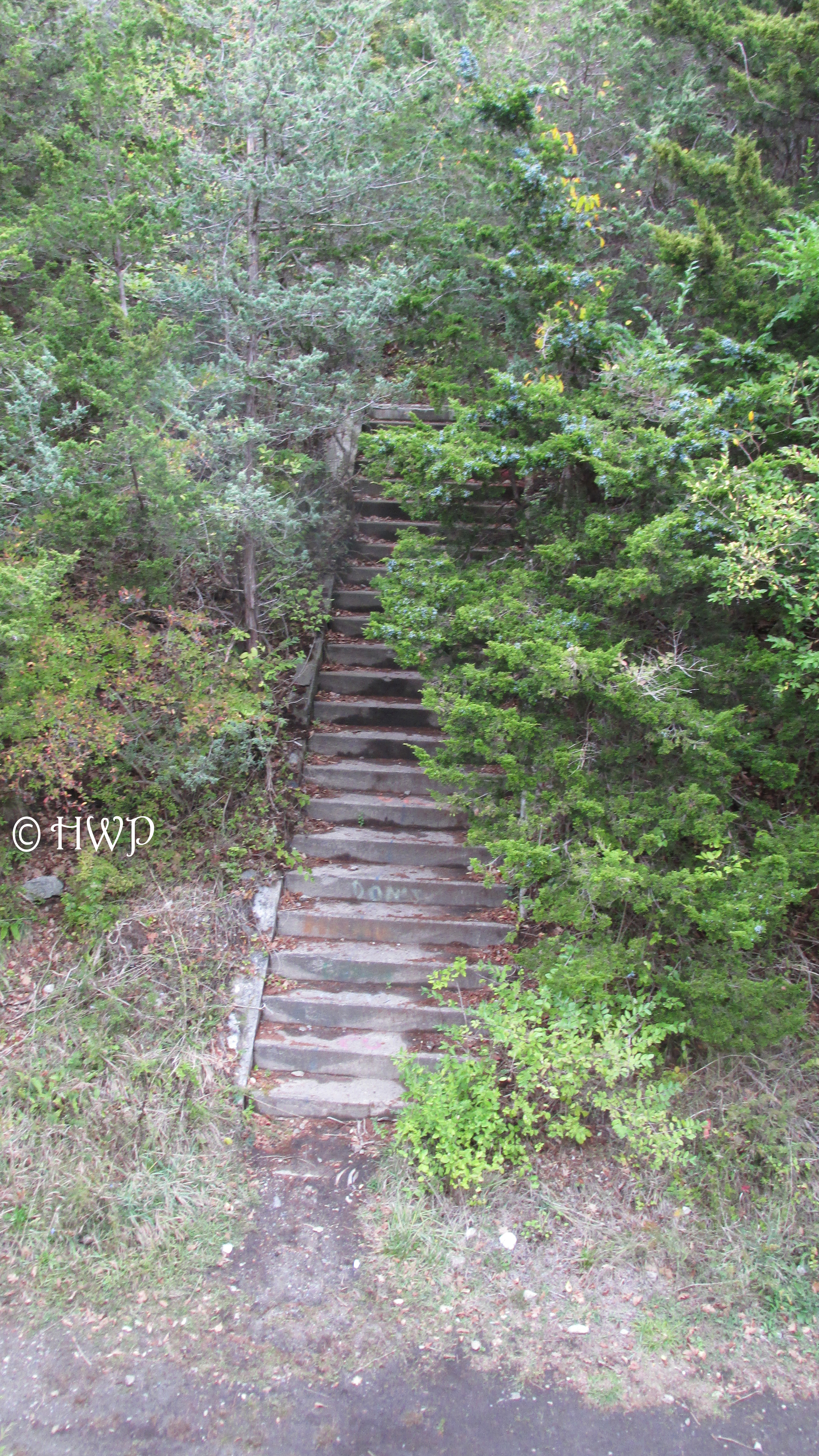
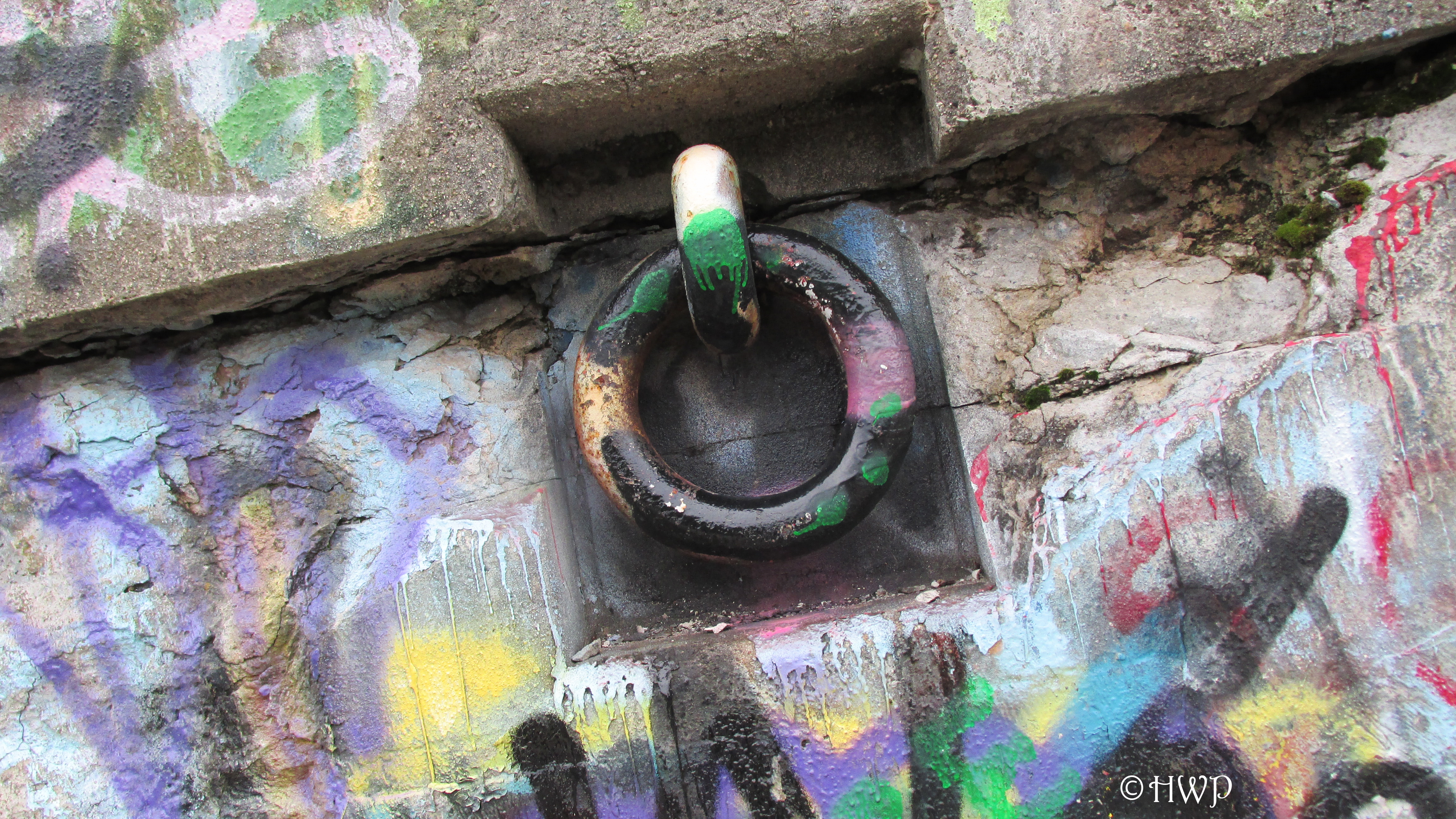
Finding Fort Wetherill is easy. Due to its status as a national park, all you have to do is google it. There is a nice little parking lot at the front of the park. They even have onsite bathrooms. Apparently the park is also very popular for dog walkers, as we saw plenty. The fort is a short walk from the parking lot. Through the thick vegetation blocks it from view at some points, its large multicolored hull eventually looms out through the trees. It is truly a site to see. There are hardly any spots left on the fort that have not been covered with some sort of graffiti. Coming down the path initially, you are launched right into the main courtyard. There is a small staircase leading off toward the ocean, and on either side are the old watchtowers and tunnel networks.
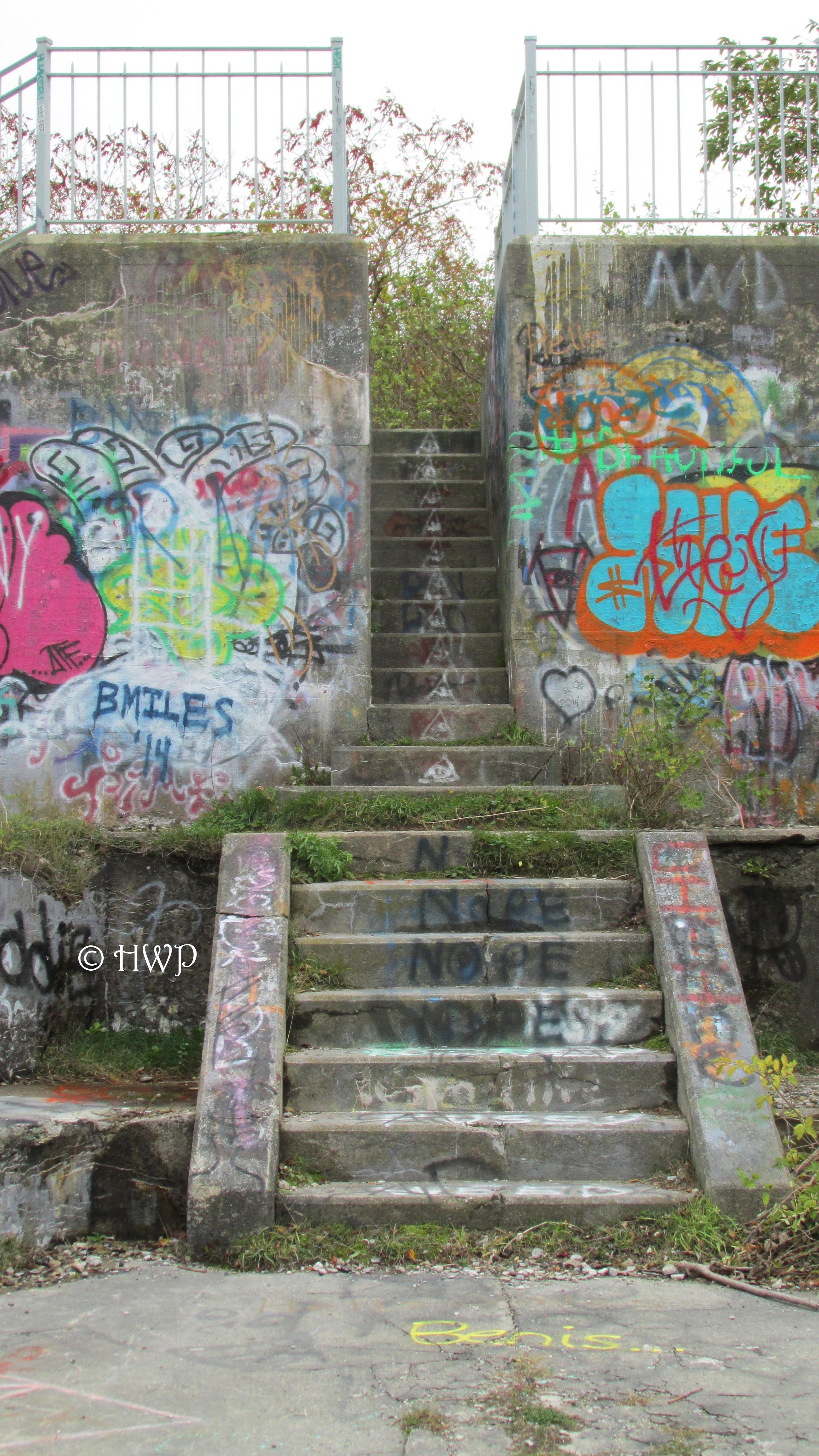
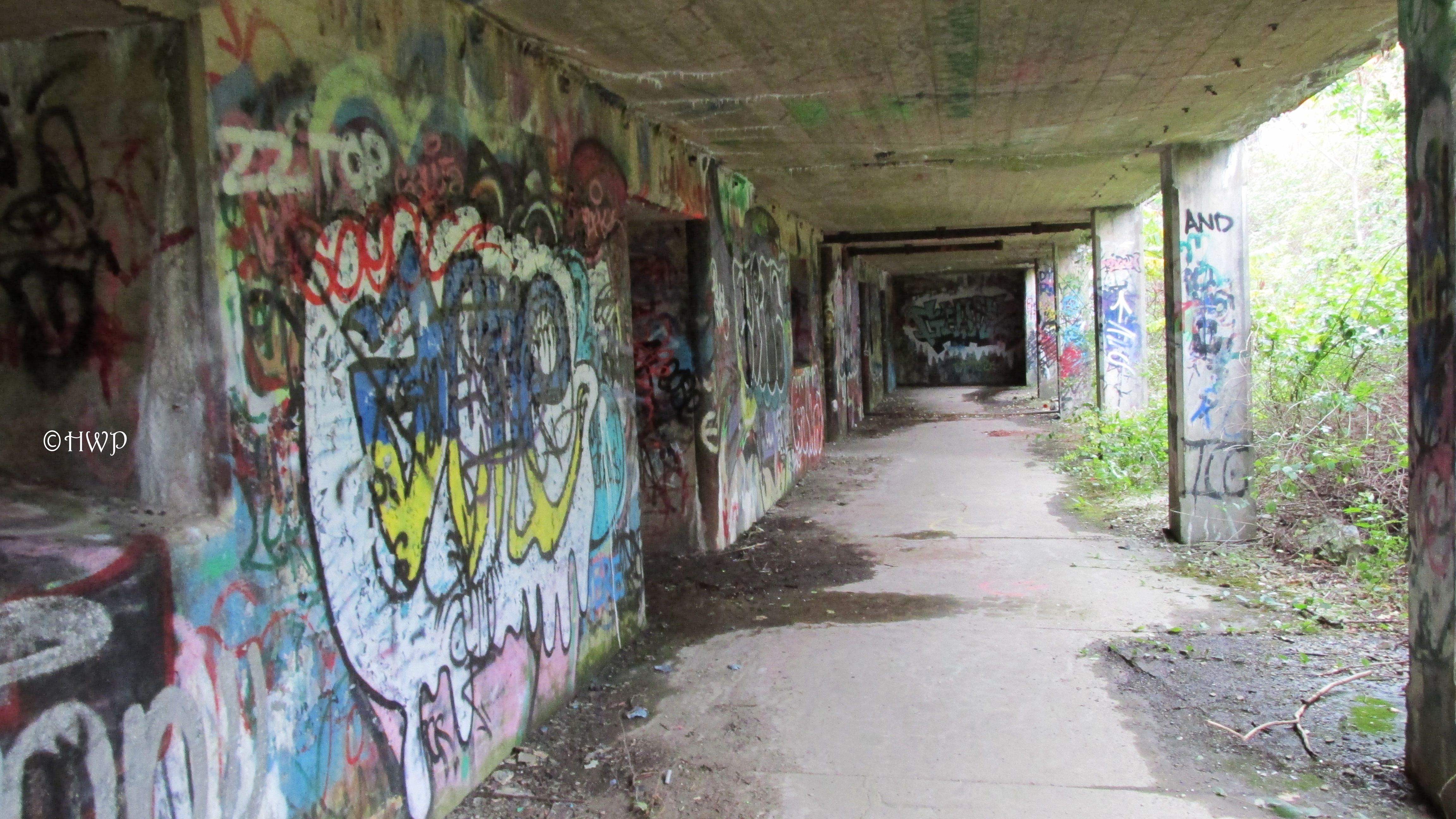
There are old fences scattered all over the fort, not that they can do much good. They are quite easy to hop right over. Following the old fence from the courtyard, we traveled along the fort’s outer wall. Though it may look small from the initial approach, Fort Wetherill is anything but. Most it, however, is hidden from sight by the wild trees and vegetation. At the farthest point, we found a small watchtower with an excellent view of the Narragansett Bay. Each section of the fort has their own tunnels. None of them are connected. When walking down them into the darkness, each one will have a large open room and then exit out a different way. Some even have little barred windows overlooking the outside. The inside of each tunnel is coated wall to wall with graffiti, and trash is everywhere.

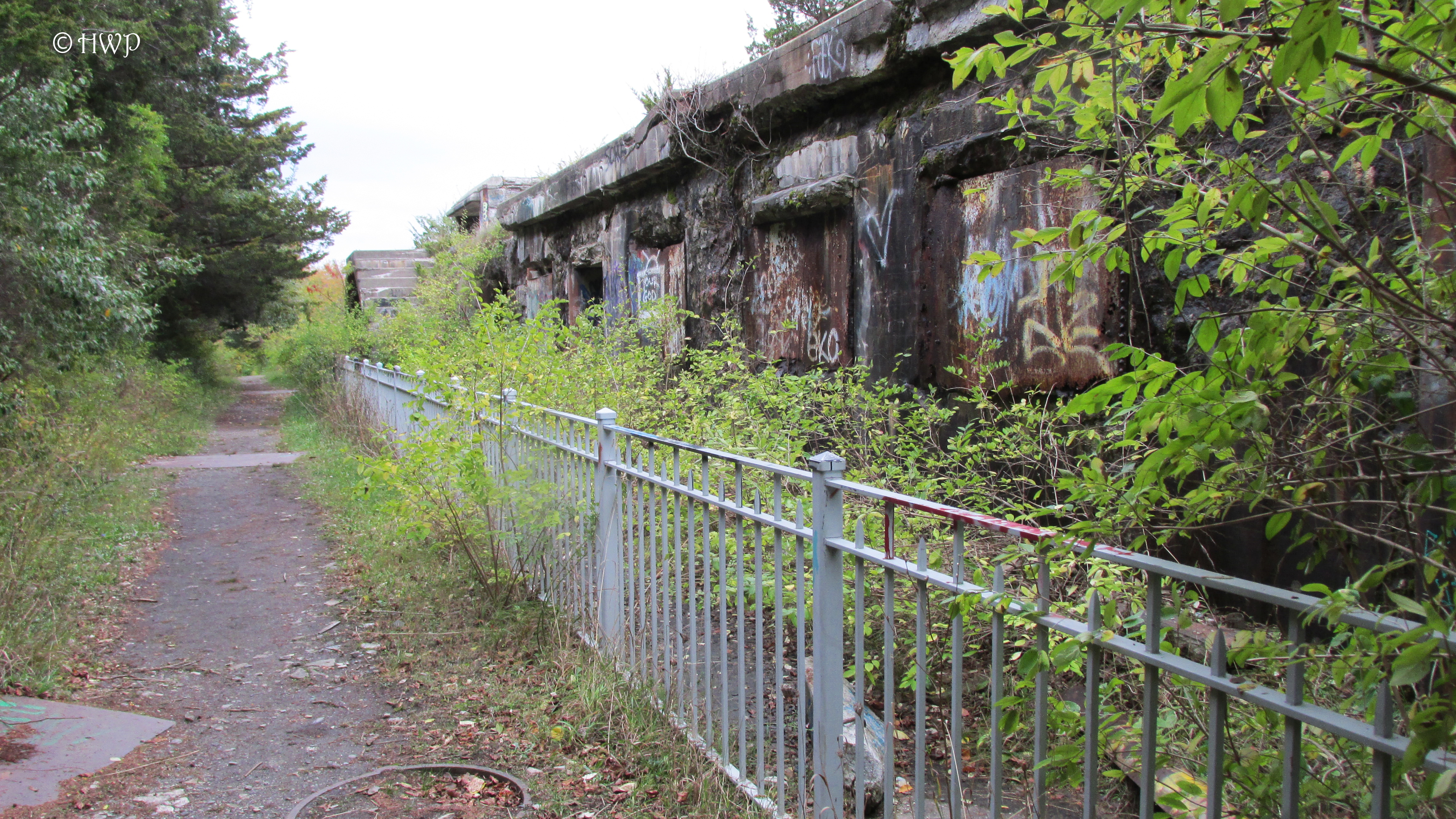
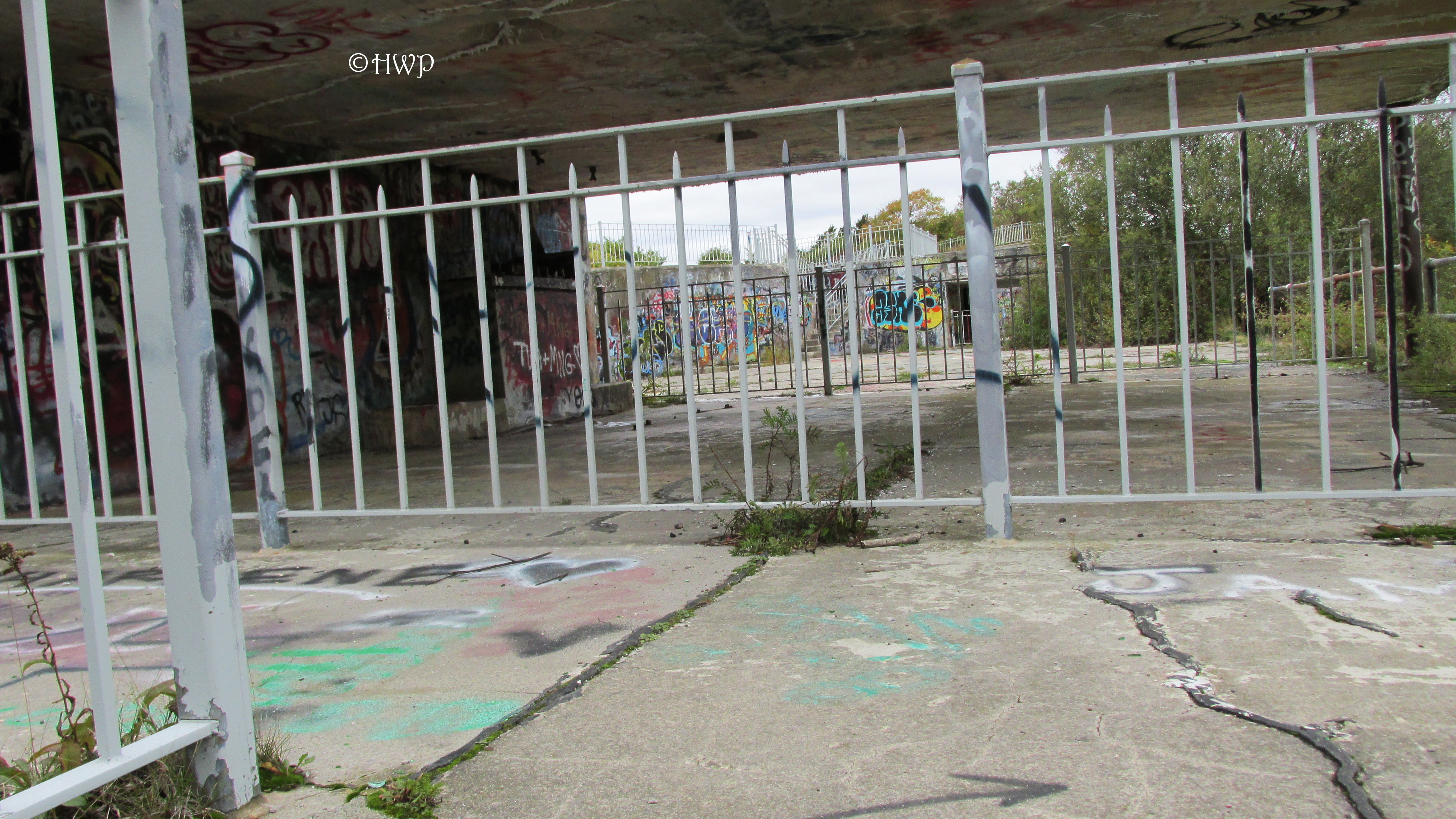

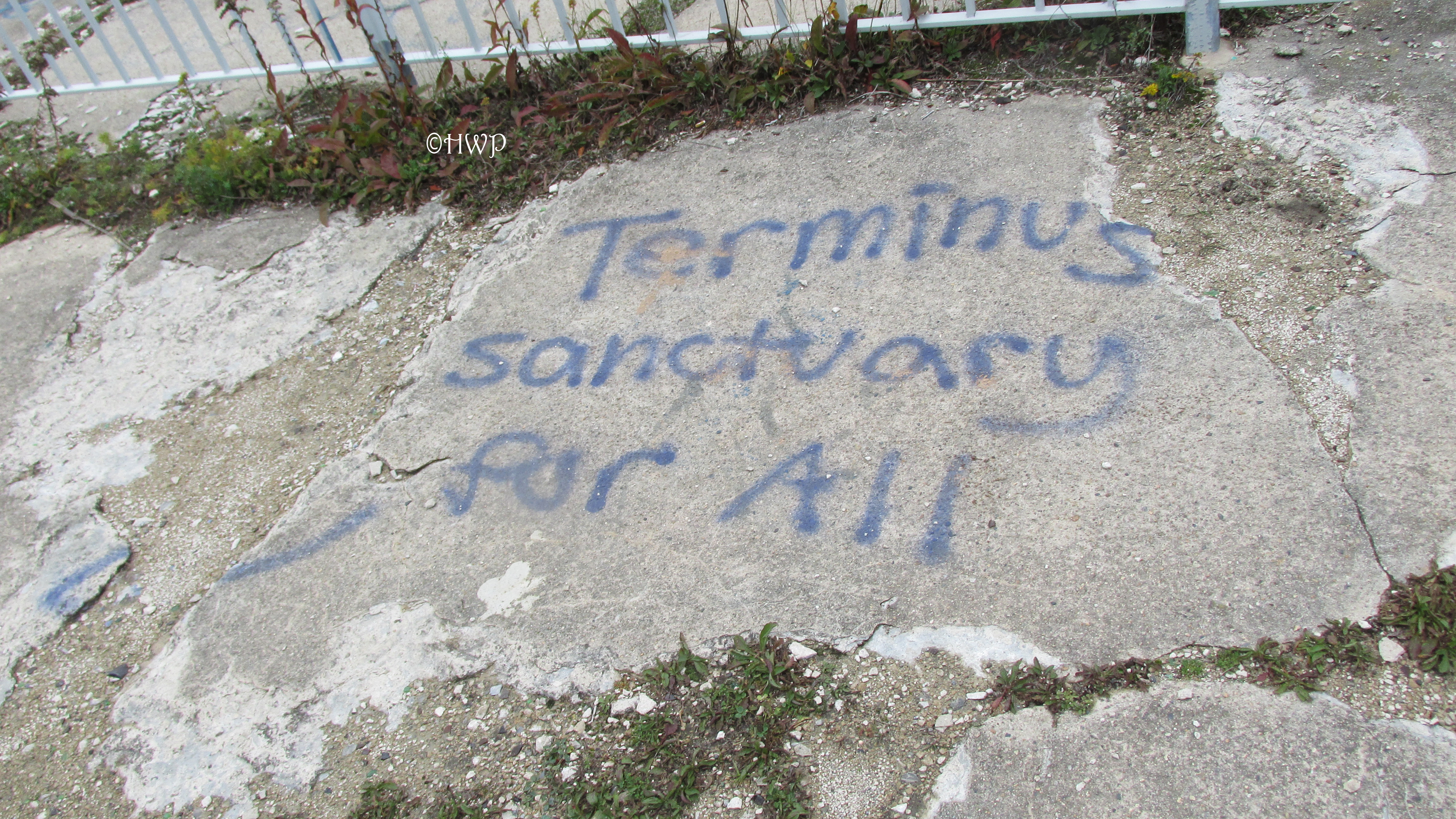
Past the first courtyard, there are a few more towards the western side of the fort. Each one is just as graffiti covered as the first. This colorful art ranges from jokes, hate speech, drawings, and the occasional philosophical saying. For all you “Walking Dead” fans out there, we even found a few signs pointing to “Terminus.” Just like the show, they read “Sanctuary for all.” Fortunately, we didn’t find any cannibalistic community led by a former “Greek” star. While some of the graffiti is really offensive and at times dumb, it does give the former fortress an almost look of urban beauty. All of the wild colors and mismatched drawings give the fort a very unique aura. Unfortunately, any sense of beauty that may be found on the outside is ruined by the darkness of the inside.

The tunnels of Fort Wetherill are the Wild West. As made evident, there are no rules here. We found a small room deep in one of the tunnels that was completely full of bottles and beer cans. We also encountered a lot of unsavory characters down there. A few teens were smoking pot. There were others that were having sex. And even more were smashing the walls with sledge hammers. All just for fun. While we were all kids once, it is a shame to see this incredible site systematically destroyed by these people. And unfortunately, nothing can be done about it. Fort Wetherill has been left behind, and while its walls are sturdy, who knows how long this place has left. Since it is legal to visit, we encourage you to check out Fort Wetherill. However, we do urge you to be respectful. It really is a place of urban beauty, and we hope that you get to experience it. For it will not be long before Fort Wetherill becomes more than just The Devil’s Playground, and descends deeper into darkness.


Far from Home
Exploring the Abandoned Skinner House
By Sean and Amanda

There’s a knock at the door, but nobody answers. The sounds echo through the house’s empty rooms. There’s a hole in the roof that will never be fixed. Birds and wildlife come and go through it as they please. The old shed collapsed years ago. It lies in ruin beside the decaying barn. An old car sits in the driveway. The tires have been flattened over time. Wild vines have started to take it over. Blocked in behind it sits an old truck. Its original color and model name have become unrecognizable. If these old walls could talk, I don’t think they would talk at all. I think they would scream. They would scream because they have seen too much, and they’ve had to go through it all alone. They would cry out in pain and anguish, because whoever once called this place home clearly left a long time ago. This is the Skinner House.
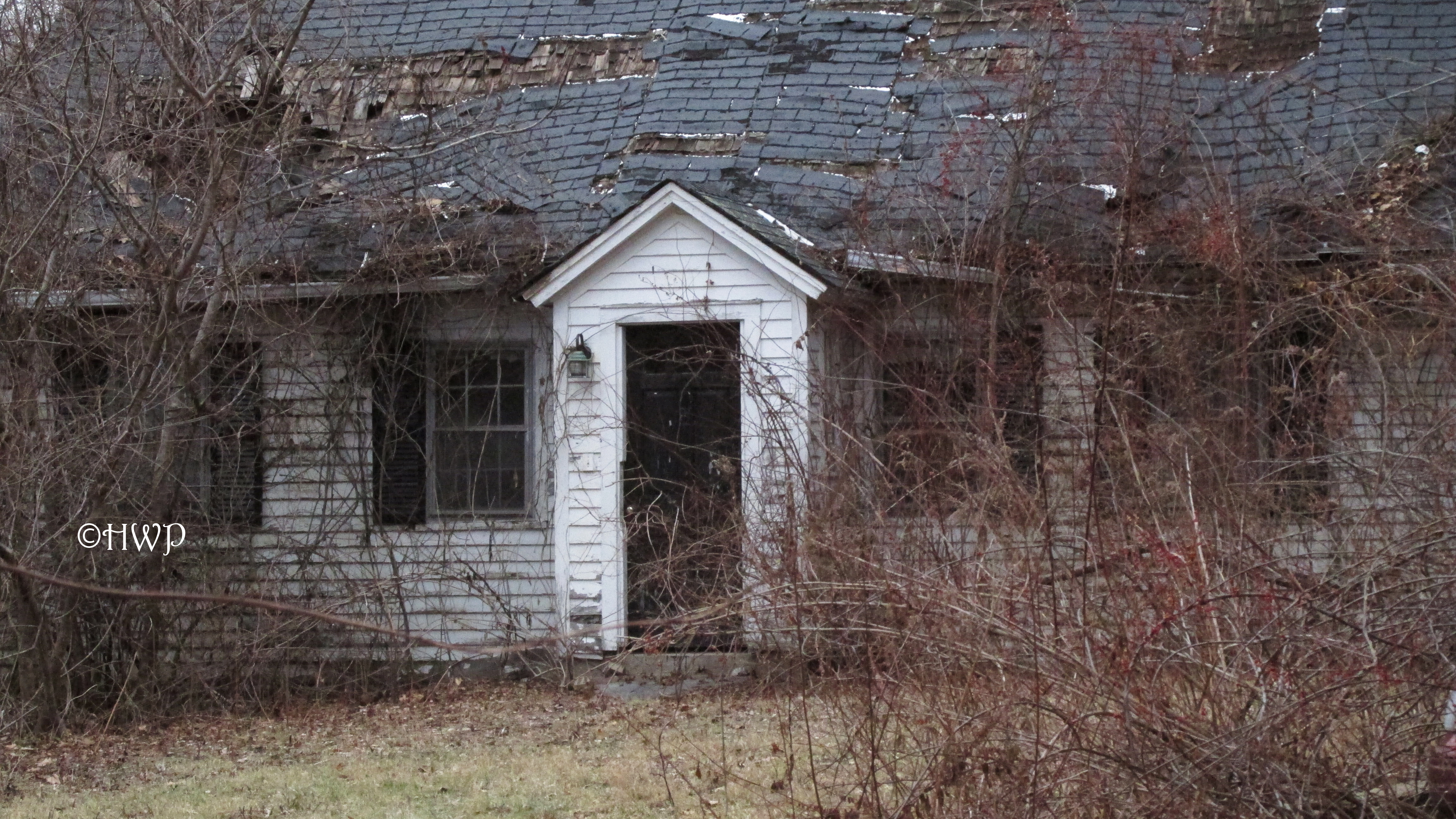
Down a back country road in a forgotten part of a little town lies an old house. Who lived there? How long has it been abandoned? Why was this house left to rot? We don’t know. And in fact, nobody around here seems to. The neighbors of this place were either no help or could not be reached for comment. What we can tell you about the Skinner House is that it has clearly been empty for many years. To be perfectly clear, we can neither confirm nor deny that it is in fact called the Skinner House. It has earned this nickname due to the fact that it sits right on the corner of Shoddy Mill Road and the windy Skinner Road in Bolton, Connecticut. It is barely a mile from the border of rural Andover, Connecticut and a stone’s throw from the heavily trafficked Route 6A.
I drive past the Skinner House almost every day on my way to and from work. It took me awhile to even notice that it was in fact abandoned. No offense to the people that live in these rural towns, but most seem to have at least one house that is not very taken care of. But after weeks of driving past this old house in the early mornings and late afternoons, I began to notice things. I never saw a single person come or go from it. There was never a light on inside of it. The two broken down cars in the driveway never moved. Every single day passing by it, the house seemed to be sitting there frozen in time. Nothing ever seemed to change. Using our standard methods of preparing for an investigation, (see The 5 Rules), I found absolutely no information on the house. It had simply been forgotten.

So during a chilly winter day in December, we decided to go have a look around. The Skinner House isn’t too difficult to find. It is nestled at the crossroads of a nice little neighborhood and a backcountry road. As stated earlier, it is almost right on top of the border between the towns of Bolton and Andover. It stands right next to a small bridge covering an even smaller stream. Just in case there actually was someone living there, we didn’t just pull up the driveway. There is a little spot beside the bridge that we could easily pull up to. The Skinner House is actually a good sized building, with at least two floors. There is also a large barn standing beside the street. The remnants of what looked like a shed or even a smaller barn lay next to that. Behind the house is just wild trees and wilderness.
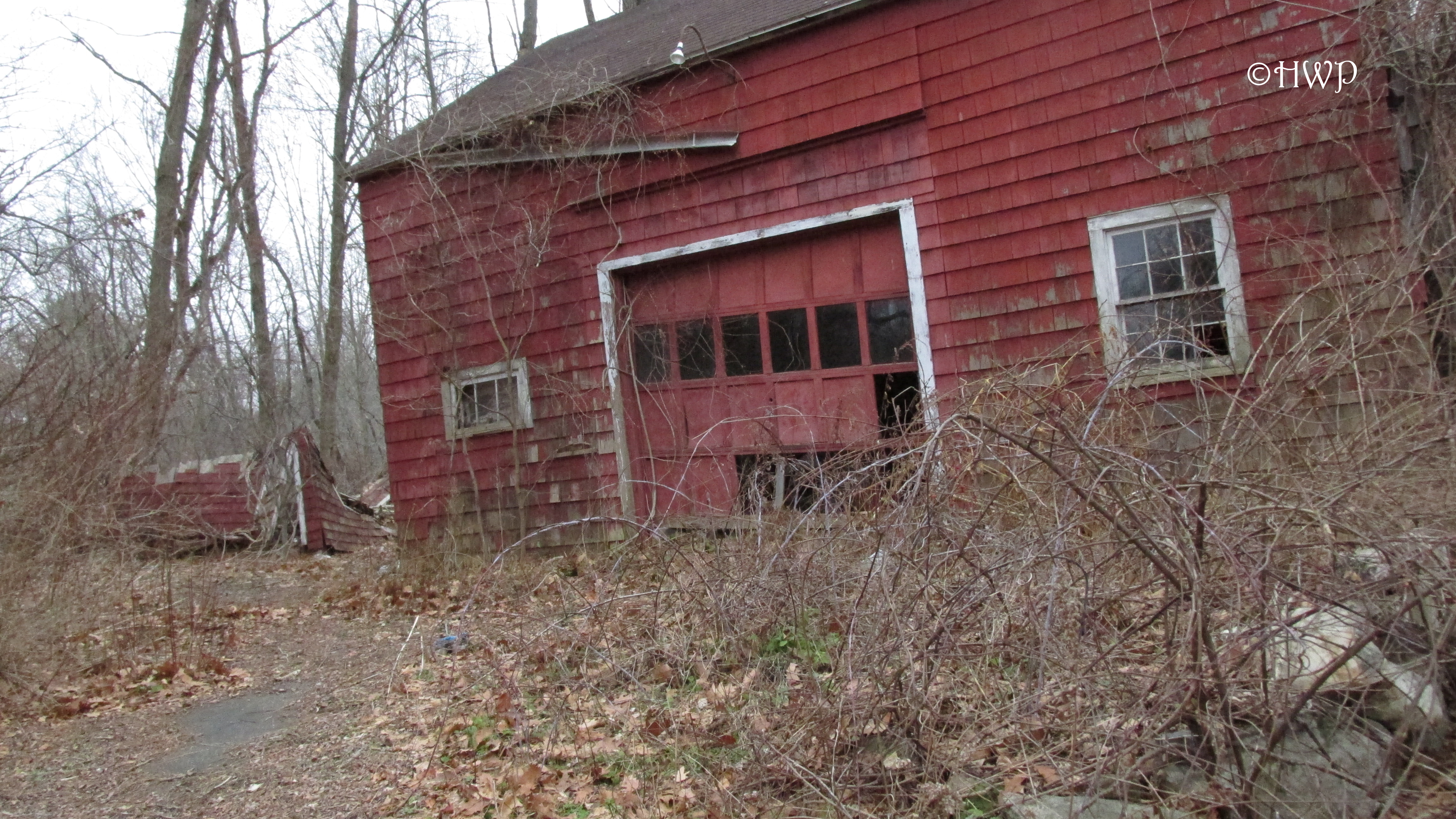


Not only did we find not a single sign of life, but we also didn’t find a single NO TRESPASSING sign. There was nothing here. In the woods behind the house, there were plenty of signs warning off any potential hunters or fishermen. But no such signs were posted on the property itself. After a quick look around and a knock on the old door, it became perfectly clear to us that this wasteland was indeed abandoned. Inside of the house, there was nothing but trash left behind. And in fact, the caved in roof and the old floor boards are so unstable that we did not even go inside. To do so would be incredibly dangerous. We also found evidence of some sort of large animal, or animals, taking up residence inside the old house. Even though there are no KEEP OUT signs, it is best to do so.

What we found most interesting about the abandoned Skinner House were the cars that had been left behind. They sit alone in the driveway, with brush and foliage all over them. In the front is an old red Mercury sedan. Its tires are flat, but it could still be in salvageable shape. Blocked in behind it is an old truck. This thing was so old and beat up, we couldn’t even tell what Make or Model it was. It is now just a rusty hunk of metal. Remarkably, we didn’t find much of any vandalism on the property. None of the windows on the house have been smashed, there was no liter on the grounds, and we didn’t find any graffiti. Inside the house may be a different story though. The barn is in just as poor shape as the house. Paint is slowly chipping and the wood frame is rapidly decaying. On a lighter note, we did find a family of rabbits now occupies the old barn.


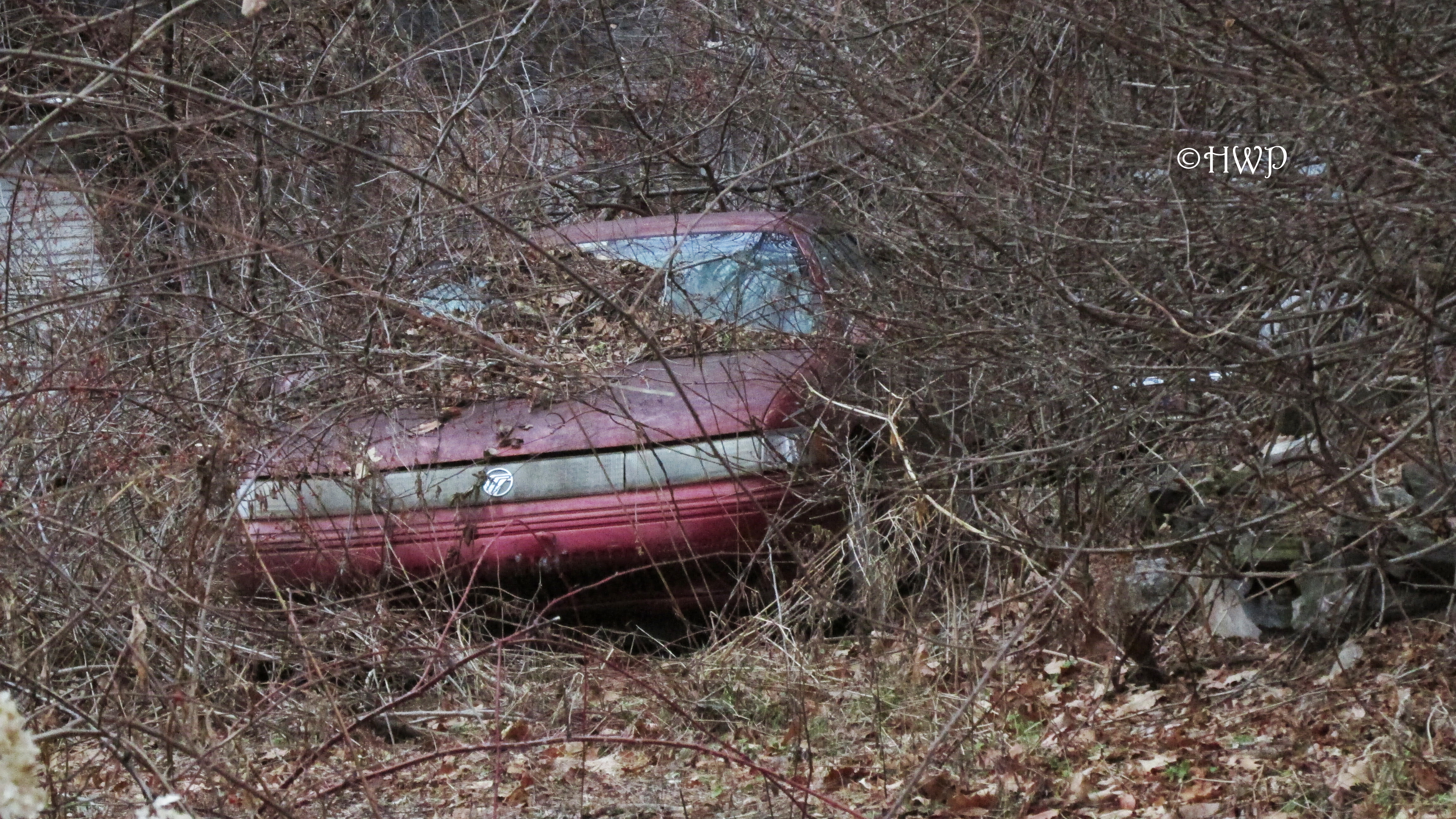
The Skinner House is by far one of our more unique investigations. Not only did we not find any information at all about this place, but it seems like it has been relatively left alone in its state of decay. Not a single FOR SALE, NO TRESPASSING, or KEEP OUT sign can be found on the property. With the cars still in the driveway, it seems like people just got up and left one day. Nature now rules this place. The wild now lives where humans once did. Though the house still stands, it is far from a home. We are still left to wonder why the Skinner House was abandoned. And what happened to the people that lived there.
** Please Share, Follow, Comment on, and Like if you enjoyed this article! Thank you!! **
 Abandoned Wonders