Posts Tagged ‘darkness’

Welcome to the Tombs

The Abandoned Car Graveyard

Written by: Sean L.

Photos by: Amanda H.

We love to explore. It’s kind of what we do. We do our research, we go out on investigation, and then we document our adventures on this site. But every once in awhile, we simply stumble across things in our travels. I mean, that’s how we got started in the crazy world so many years ago. While hiking, we randomly found ourselves in the middle of the abandoned Sunrise Resort. We weren’t planning on it. It just sort of happened. Every once in awhile, we just find things. Like in the early Fall of 2015. We were out for a hike in a forgotten little state park along a lonely little river. The sun was slowly fading, and the leaves we gradually beginning to fall. But while strolling along the riverbank, we stumbled upon a long lost graveyard. Not for people, or even pets. This graveyard was for long lost automobiles.

This slideshow requires JavaScript.

Motorized transports can be traced back all the way to the sixteen hundreds in ancient China. But automobiles as we now know them first began to take shape in the late nineteenth century. Both German and American engineers began to make headway in what is now a billion dollar industry by pioneering the field of gasoline powered engines. By the early nineteen hundreds, factories were beginning to produce engines all around the United States. But the concept truly became a phenomenon when Henry Ford began to mass produce and perfect the automobile design. By the time the Roaring Twenties came about, Ford’s design could be seen on both sides of the country and across Europe.Today, cars are everywhere.

This slideshow requires JavaScript.

Sadly, this includes being lost and left to rot beside an old river deep in the woods. We discovered a half dozen rusting corpses of all cars scattered amongst the underbrush. They were all within a quarter mile of each other, some grouped closer together than others. Old parts and other scraps were strewn about all over the place. Most of these old cars were too far gone to really discern what make or model they were (if you are a car expert, please feel free to comment). To me, they just all look like the cars from The Untouchables. Though the interiors had long since rotted away, the local wildlife now occupies most of these old relics. Wild snakes dwell on the ground, sunning themselves on what is left of the once luxurious seats. And in the ceilings, families of mice cluster together in fear whenever anyone walks by. It was a true graveyard, one that has been lost for what appears to be many years.

Welcome to Garden of Lost Cars.

Welcome to the Graveyard of Empires.

Welcome to the Tombs.

Rest in Peace.

Costs Mount As State Decides The Future Of Seaside Park In Waterford

(Published October 11, 2015 in the Hartford Courant)

Rest of Story Here…

–We take no credit for the story or the picture posted above. All credit goes to The Hartford Courant–

Knightfall
The Haunting Legend of the Mansfield Training School

Written by: Sean L.

Photos by: Amanda H.

UConn, home of the Huskies. Their athletic program has won 21 NCAA championships, most notably for basketball. They have the largest public research collection in the state, housed in one of the largest libraries in New England. There are over twenty five thousand students enrolled in its programs, and close to ten thousand employees alongside them. It is UConn, home of Connecticut pride. But is the University of Connecticut haunted? A place such as this cannot become one of the oldest universities in the country without having a few secrets. In a forgotten corner of the darkest side of campus, there lies a quiet pocket where the shadows run wild. In its heyday, it was known as the Mansfield Training School and Hospital. Though it is officially listed in the National Register of Historic Place, this former institution is now nothing but a tomb. Concealed deep within its walls lurks the pain and suffering of its dark past. MTS1

The facility was created following the merger of the institutions in both Lakeville and Mansfield, Connecticut during 1917. It was christened the Mansfield Training School and Hospital, a facility for the care of the intellectually disabled. They started off with a relatively small number of patients. Major events in history such as the Great Depression and World War II caused the population of patients to grow and become overcrowded. But during the sixties and seventies, regulations began to change, resulting in more staff and caregivers being provided. Some years later, patients began to be moved from the hospital to on-site cottages and group homes. Regrettably, while there were many stories of good and fair treatment of the patients, there were also several tragic ones. Under a pile of lawsuits, the facility was forced to close its doors in 1993. The property was then split amongst the University of Connecticut and the neighboring Bergin Correctional Institute.

What remains of the Mansfield Training School and Hospital can be found on UConn’s lesser known Depot Campus, at the crossroads of CT Route 32 and US Route 44 in Storrs, Connecticut. Compared to the main campus, it is strangely quiet on this side of town. The neighboring Bergin Correctional Institute has lain dormant since its closing several years ago. There are multiple buildings still standing on the old grounds. A few were demolished after the sale, but most still stand. There is an old tunnel system that runs between the buildings that were used to shuttle patients around during inclement weather. However most of these tunnels have been filled in or blocked off. Almost all of the buildings have had their doors and windows welded shut. Others even have their roofs completely caved in. And from the looks of things, this place has had a pretty serious vandal problem for some time.

This slideshow requires JavaScript.

Standing as the face of Mansfield Training School is the Knight Hospital. With its classical Greek and Victorian architecture, it is undoubtedly the most picturesque building on site. But it is sadly a shadow of its former self. While it served as the main building when the grounds were in operation, it is now in deplorable shape. The engraved name above the doorway and the tall stone pillars supporting it have all but succumbed to the wild vegetation growing around them. Windows on all floors have been smashed. Trash and graffiti lie strewn about the floor. And even a family of squirrels appears to have made their home inside this abandoned facility. However, it is absolutely remarkable how much stuff seemed to have been left behind when the facility closed twenty years ago. Old patient files, hospital equipment, and other office supplies can still be found littered across the halls. We even found a ghostly old statue staring back at us in the basement of one of the buildings.

This slideshow requires JavaScript.

There were allegedly several deaths at the facility while it was in operation; however we have been unable to find any evidence to support or disprove this claim. Stories such as this have given Mansfield Training School a reputation of being haunted. The show Paranormal Witness did an investigation on the grounds back in 2011, bringing about mixed results. It has since become a major hotspot for amateur ghost hunters and thrill seekers. Haunted or not, the facility is most definitely haunting. The echoes of the past still linger amongst the now abandoned halls. There is definitely a presence to be felt here. Though its patients are long gone, something still lurks within these walls. Something just doesn’t feel right when walking along the old grounds. It is near deathly silent, which is hard to believe on a campus of thousands. So, is the University of Connecticut haunted? We don’t know. I guess the better question you should be asking yourself is…do you believe in ghosts?

MTS 9

The Crumbling Kingdom — The Abandoned Seaside Sanatorium

Posted: September 3, 2015 by Hidden Wonders Photography in #postaday, Abandoned, Abandoned Attractions, Abandoned Business, Abandoned Connecticut, Abandoned Hospital, abandoned new england, Abandoned Sanatorium, Abandoned USA, Abandoned Wonders, Beaches, Bird Watching, Birds, Broken, Children, Children's Hospital, Closed, Connecticut, darkness, Death, Destruction, empty, Exploration, exploring the abandoned, Forgotten, forgotten beauty, Ghosts, Graveyard, Haunting, Hiking, History, Homeless, Information, left behind, lost, Mystery, nature, new england, nightmares, Ocean, Ocean View, overgrown, photography, Public Parks, research, Ruins, Safety First, Searching, seaside, Seaside Sanatorium, State Parks, Stories, Urban Decay, Urban Exploration, Urban Exploring, Urbex, Waterford, writing
Tags: , , , , , , , , , , , , , , , , , , , , , , , , , , , , , , , , , , , , , , , , , , , , , , , , , , , , , , , , , , ,

The Crumbling Kingdom

The Abandoned Seaside Sanatorium

Written by: Wilk

Photographs by: Lassie

A relic from the old world sits alone on the picturesque shores of New England’s Long Island Sound. The steady waves of the ocean lap up against the sandy shores, but she doesn’t move a muscle. Armies of birds of all shapes and sizes roost amongst her crumbling rafters, but she doesn’t seem to mind. Small crowds of beachgoers flock by to enjoy their holidays, but they pay this beautiful disaster no attention. This is Seaside Sanatorium, and though she doesn’t look it, she was once considered one of the finest hospitals in the state. But that time has passed. We visit this abandoned facility every year, and each year this once shining star seems a little less bright. It is sad to say that the State of Connecticut has apparently ceased its protection of this old facility, leaving it ripe for rampant and senseless destruction from local vandals.

The main buildings on the grounds were designed by the world renowned architect Cass Gilbert in the early twentieth century. He was the same man responsible for masterminding the famous US Supreme Court building in Washington DC and New Haven’s Union Station. The facility was opened during the early 1930’s, seeing a long and colorful history that lasted until 1996. Over the years it has served as a children’s hospital, a treatment center for the elderly, and a facility for the intellectually disabled. Its beautiful setting along the shores of the Atlantic Ocean were said to provide a very peaceful atmosphere for its residents. Sadly though, the facility was allegedly home to several incidents of violent treatment of patients in the early 1990’s which would ultimately cause the demise of Seaside. It now sits abandoned, though it can be legally walked as a recreation area.

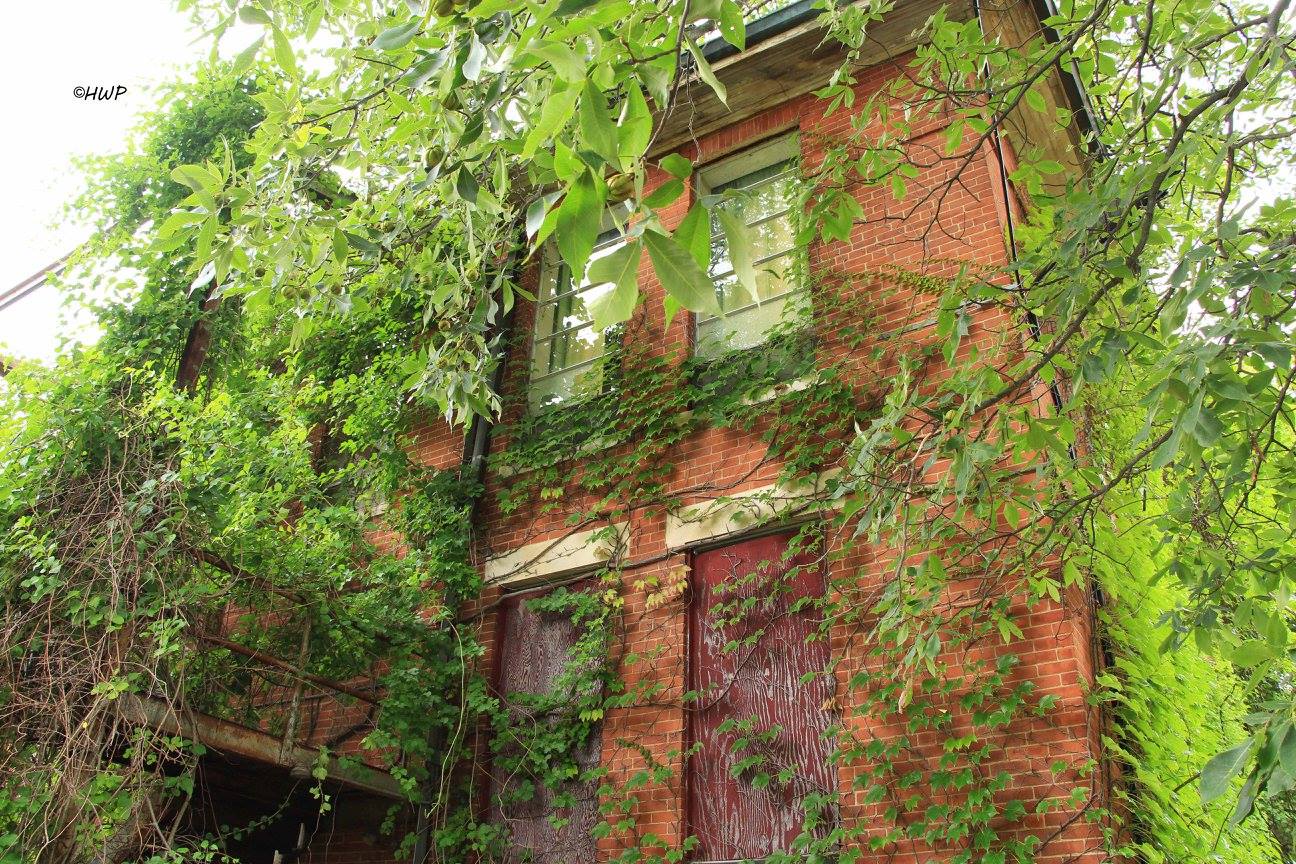
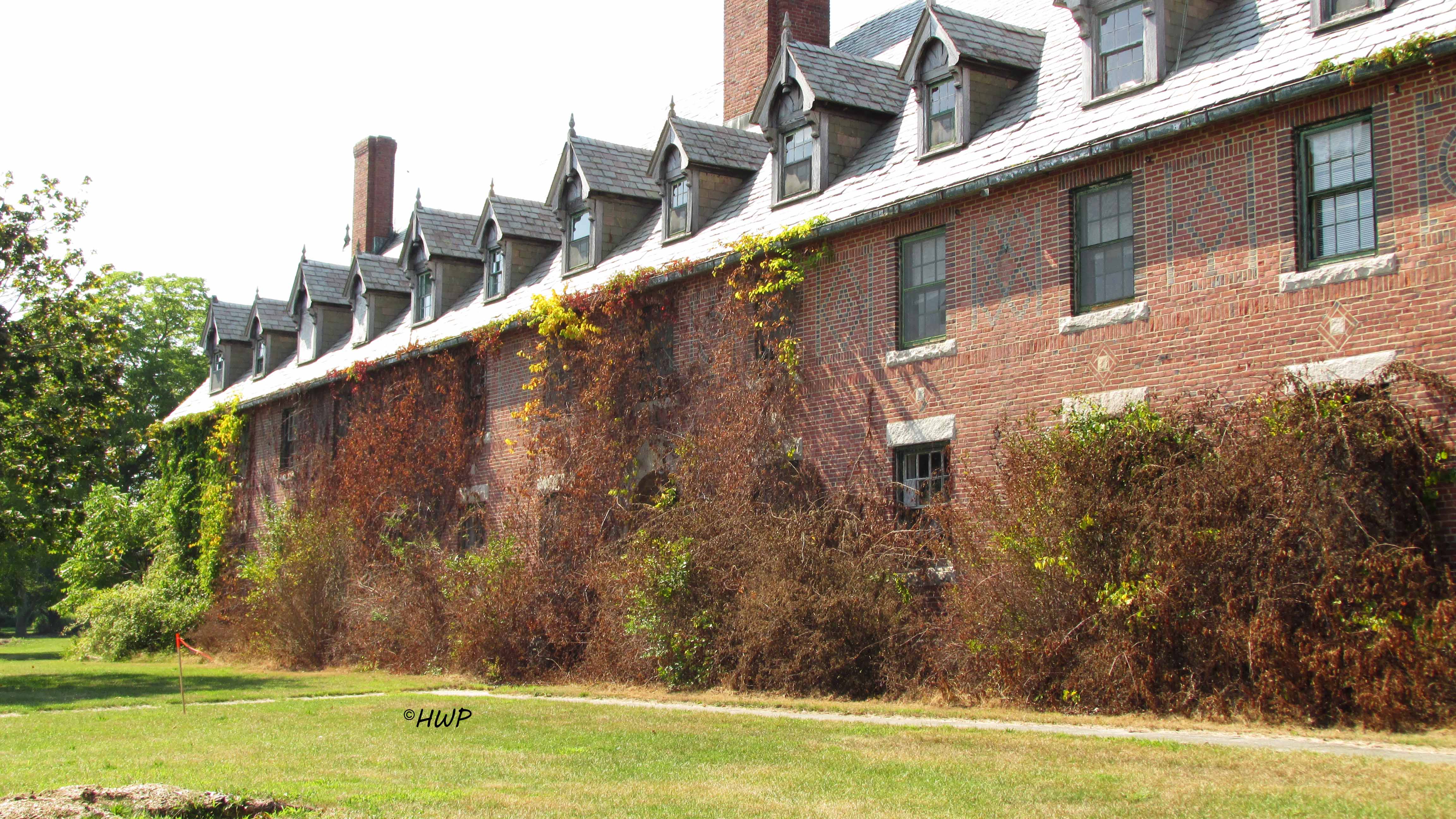
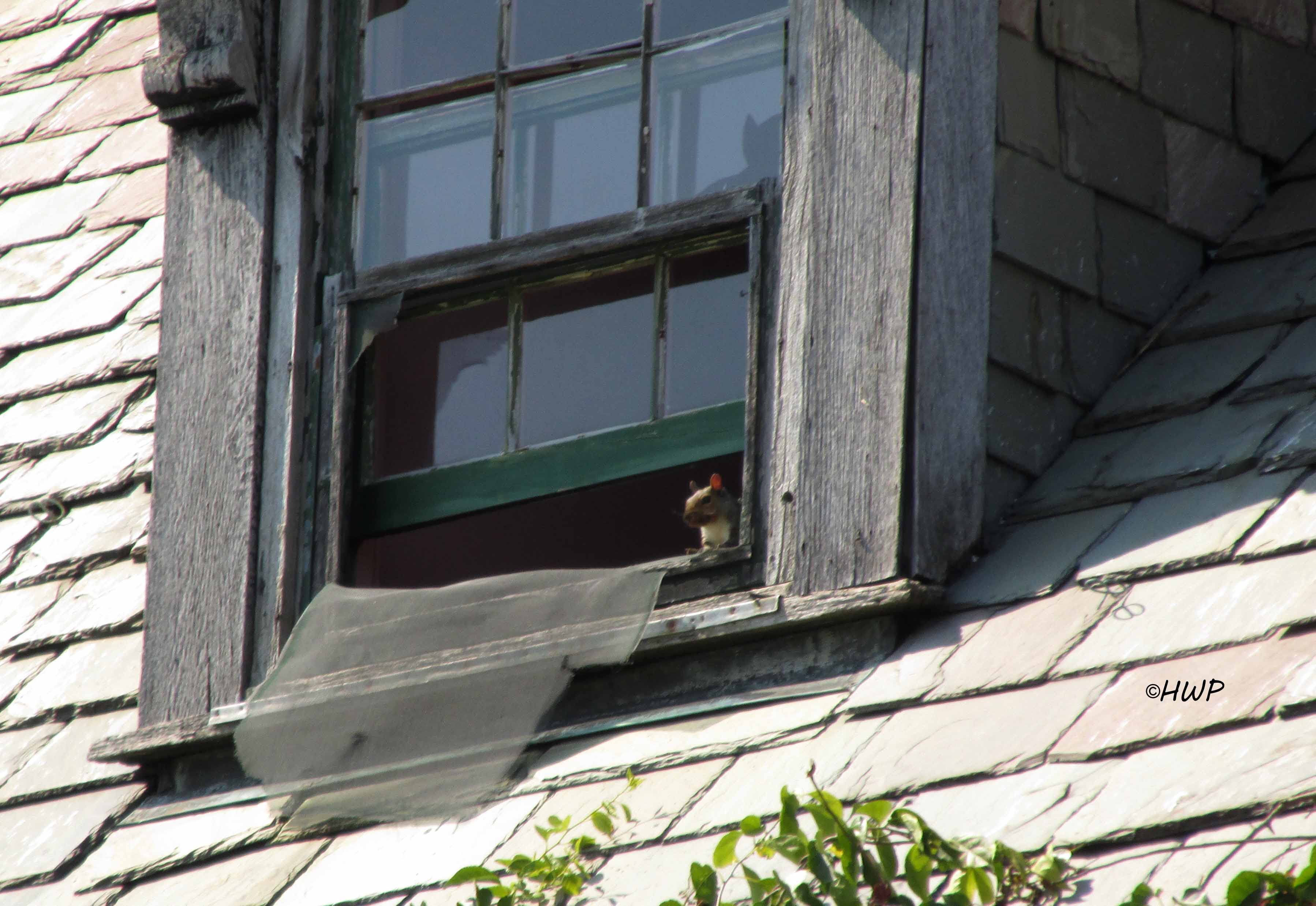
While the Main Hospital is the main attraction, its supporting act is the Nurse’s Building. Though it is not as ornate or extravagant as the Main Hospital, the Nurse’s Building is just as hauntingly beautiful. Windows have been boarded up. Wild vines coat the outer walls. The stairs from the old fire escape have been removed. A doorway that had been busted open by vandals has been crudely barricaded with mounds of dirt and tree branches. A small squirrel keeps watch from the upper rafters. But most noticeable of all, a family of Osprey has taken up residence on the buildings chimney. Perennial occupants, these massive birds of prey hold a strong presence over the entire grounds. Small birds hide when they fly by. The fearsome screeches of their feasting young echoes from their nest. And the massive adults keep close watch on anyone who passes by what has become their empire.


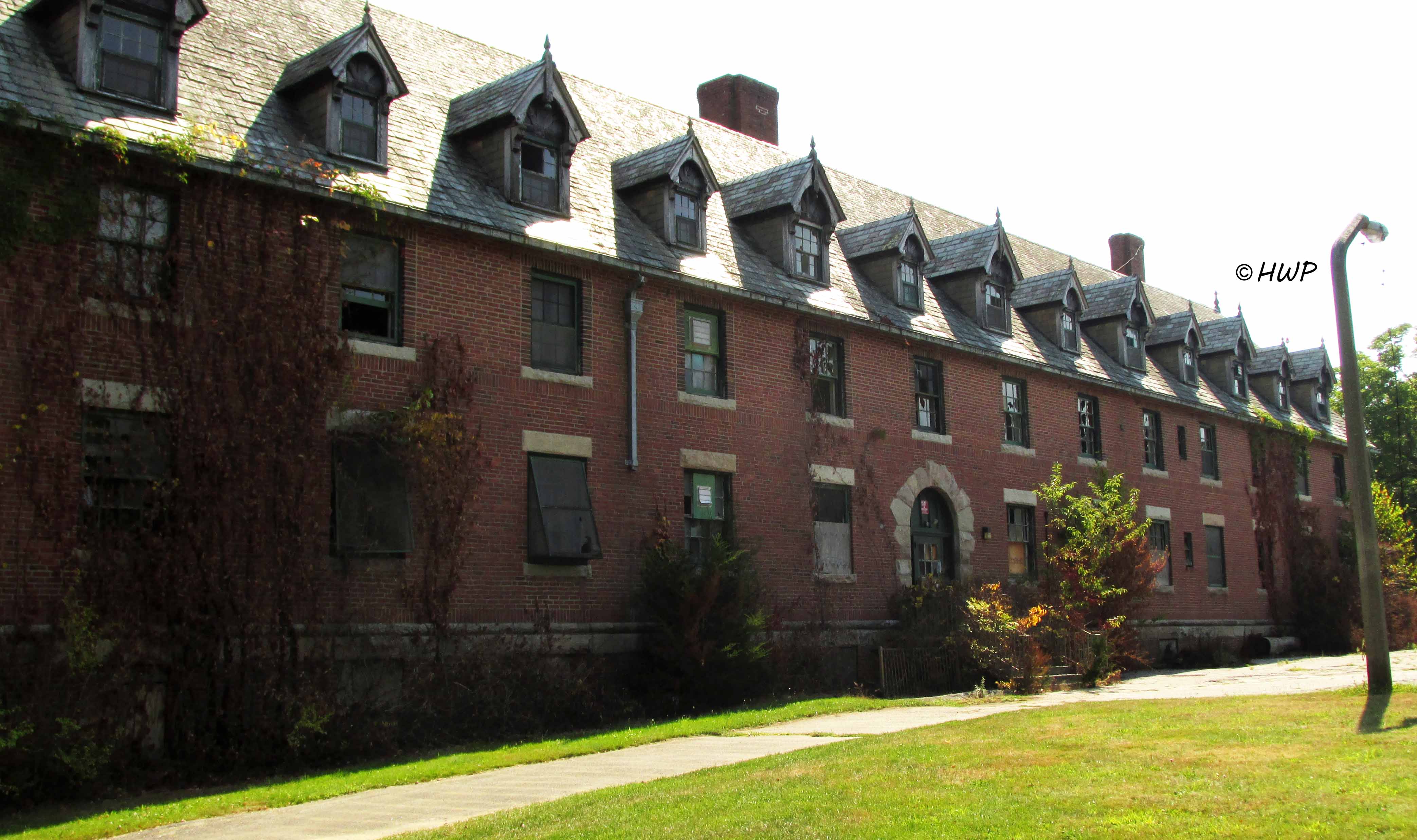
Of all the abandoned hospitals we have visited in our time, the main hospital of Seaside is the most breathtaking. Two broken lighthouses stand at its corners. A towering spire forms the center of the facility. Five brink floors stand tall before the Atlantic Ocean. The old ruins of the building’s parking lot lie in the back. The pavement still cracked with age. What is left of a playground stands at the front, defiantly facing the sea. An old slide slowly rusts into oblivion. A child’s merry go-round has become overrun with wild vines. Windows have been shattered. Walls have been defiled with graffiti. Inside, the shocking white paint hangs from the walls like sleeping albino bats. A few old pieces of furniture stands guard over any trespassers. And an earie silence fills the halls that were once full of patients and doctors alike. It is both comforting and terrifying.

The grounds still have an echo of their old past. A few dead power lines hang from rotting poles. A ghostly chessboard slowly disappears into the wild grass. A rusted fire hydrant still keeps watch over the facility. On our last visit, a round the clock security force was in place around the abandoned buildings. Today, there was no security to be found. And according to the locals, they’ve been gone for some time. The grounds have noticeably suffered since our last visit. When the cat’s away, the mice will play. And what terrible games they have been up to inside this poor facility. We encountered several destructive vandals on our trip, and had to frighten them out of the building on our own. These are the people that give what we do a bad name, and these are the people that cause the steady destruction of abandoned wonders like Seaside Sanatorium. She was once a proud and dignified medical facility. Now, she is nothing more than a crumbling kingdom.

Out of Gas – Hebron’s Abandoned Texaco Station

Written by: Sean L

Photos by: Amanda H

Back in December of 2014, we published an article on this site following our investigation of the abandoned buildings alongside Route 85 in Hebron, Connecticut. At the time, we were able to find very little information about them since there were no signs left to distinguish their former names. Now, thanks to some very helpful insight from a local historian we finally have some more information about these mysterious buildings. What we had believed at the time to be an abandoned garage, turns out was once a Texaco gas station. According to Larry Zimmerman, President of the Amston Lake Historical Society, the building “would not be taken over because of the ground pollution and 15 years of taxes.” Sadly, the old station has been left to crumble alongside the busy route. And though man has long since disappeared, nature has returned to claim this former business.

This slideshow requires JavaScript.

Directly across from the Airline Trail State Park parking lot, this building was the oldest of the three abandoned structures and in the greatest state of disrepair. The roof had completely caved in over half of the building, and the entire back wall had been demolished on the other half. Most of the windows had been smashed and there was quite a bit of liter. It was only one floor. There was a section that appeared to be the office and then three garage bays. Though there was no recognizable sign left to distinguish the name of this former business, we did find a few old racing team signs on the ground. Lots of old tires, broken glass, and even an old sink were strewn about outside of the garage. Inside, we found quite a bit of evidence that some sort of large animal, more than likely a pack of stray dogs, has been living inside.

This slideshow requires JavaScript.

Fly Away Home

The Abandoned Montgomery Mill

Written by: Wilk

Photographs by: Lassie

The state of Connecticut was once a place of industry. Factories and mills thrived for years in our little state. They provided income and jobs for small towns everywhere. But times change. We are now known as the “Insurance Capital of the World.” One by one, these former staples of the community slowly closed their doors as society continued to evolve. Today, these old factories now lie broken and forgotten all across the state. At one time, there were over seventy five abandoned mills in the state of Connecticut. Some, like the Montgomery Mill, stand looming over their small towns. They cast a shadow of the past across a growing community that tries to move on. We have explored several of these former factories over the years, but none have been as ominous, or as troubled, as the Montgomery Mill. From its haunting image, to its checkered history, the former factory stands in a class all its own.


First built in the early 1800’s, the Montgomery Mill was once the jewel in the crown of the thriving town of Windsor Locks. It gave the people of the town jobs, and became the heart of downtown. Businesses and shops opened up all around the mill. In the mid 1900’s though, things began to change. During the 1960’s, the small town of Windsor Locks began to steadily decline. The Montgomery Company struggled on for several more years, before finally closing its doors in 1989. Since that day, the factory has been a constant topic of debate amongst the townspeople and a playground for destruction. The property has changed hands several times between land developers and entrepreneurs over the years, but nothing has come of it. There have also been three notable fires in the mill complex; all were found to be caused by arson. The property has since become a seedy refuge for the local homeless, vandals, and scrap metal scavengers.

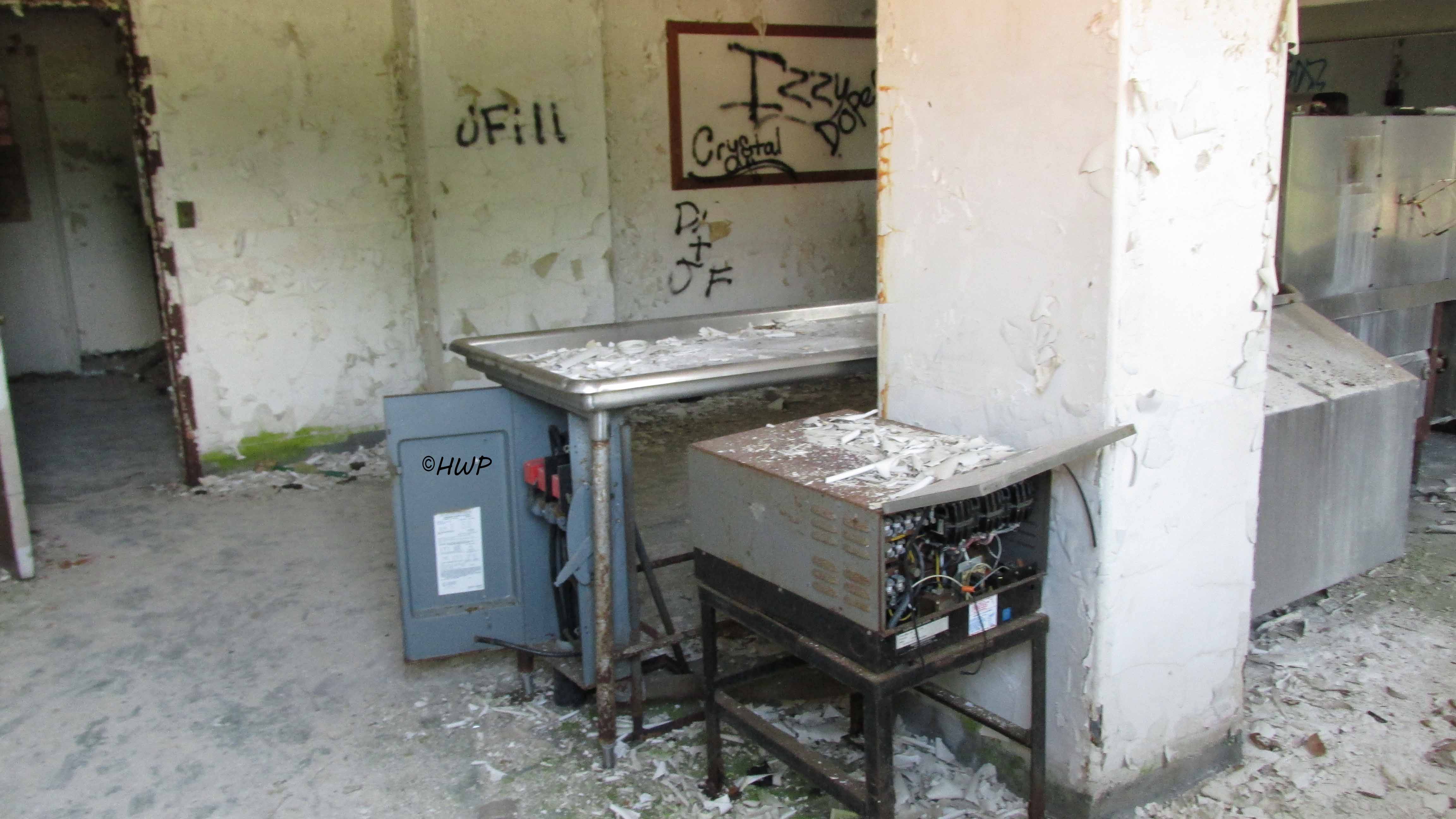
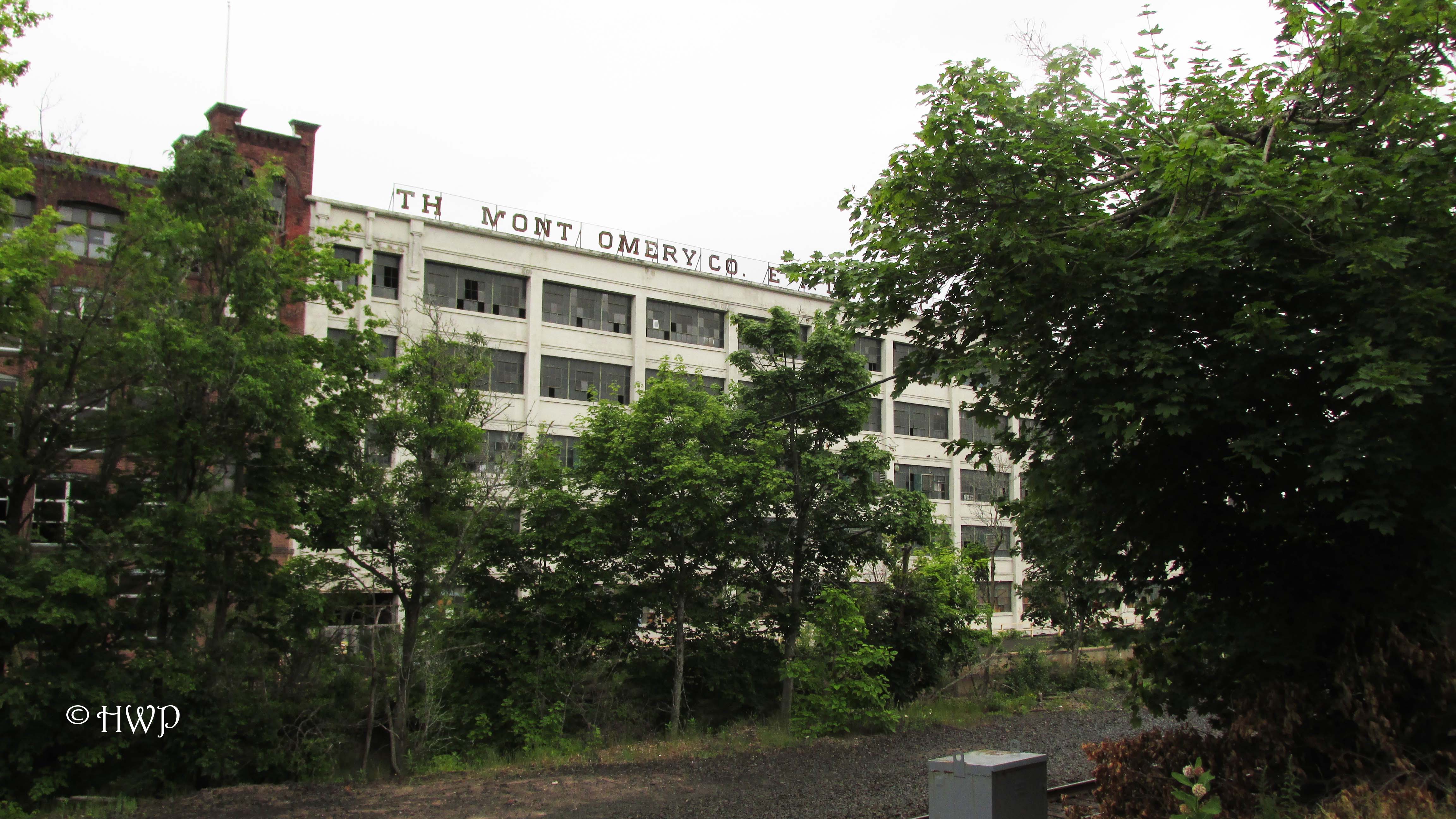
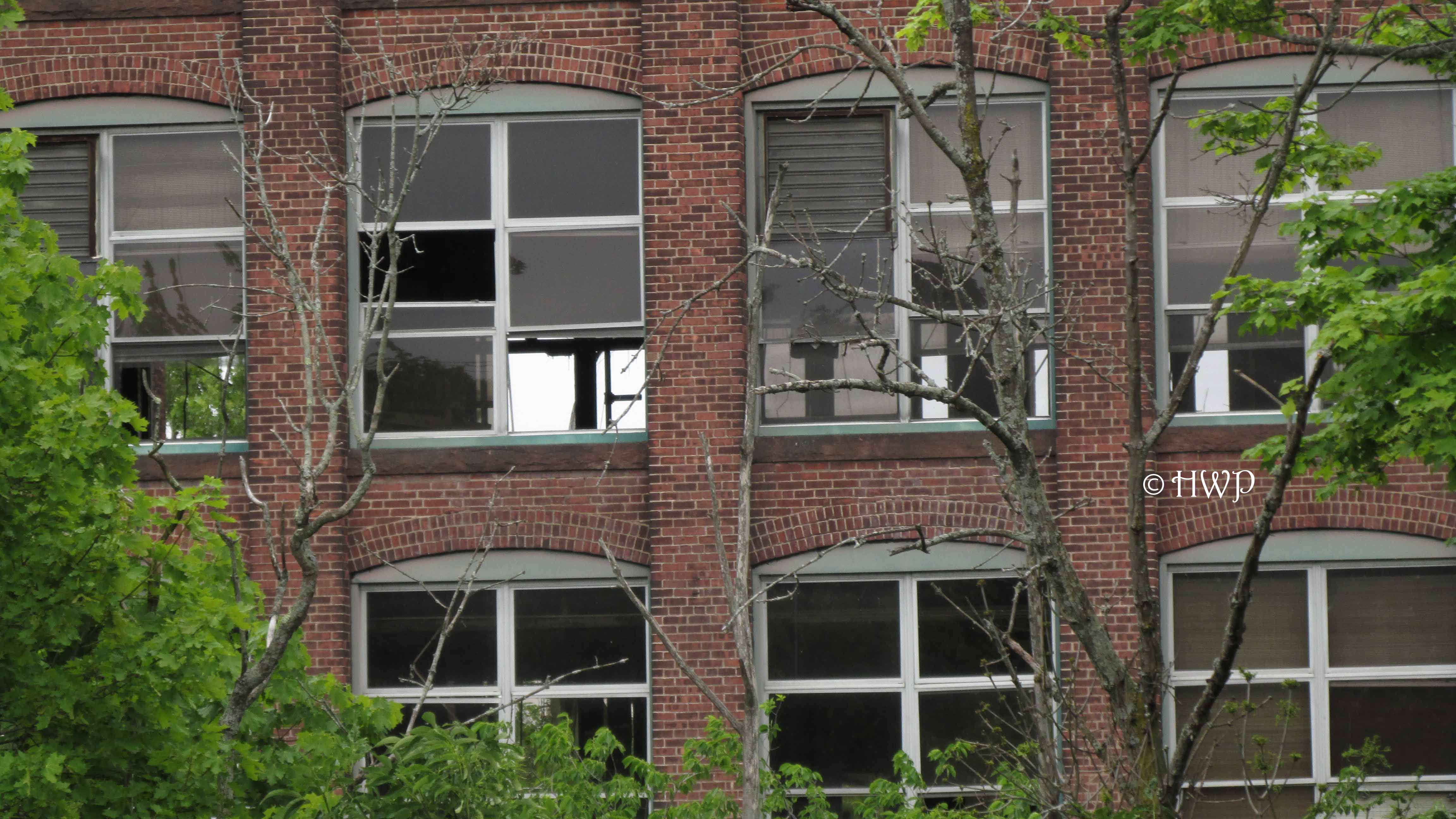
Standing right alongside the banks of the mighty Connecticut River, the Montgomery Mill is truly a sight to see. Driving down Main Street, you really can’t miss it. The factory is huge, standing ominously over the small town beneath it. It casts a shadow over the entire area. Eerily reminiscent to some of the buildings of Prypiat, Ukraine, the place is hauntingly captivating. There are multiple buildings in the complex, each one lies in a state of utter decay. The main factory stands six floors. Windows have been smashed. Fences have been put up. Doors have been boarded up. Even a few letters from the buildings sign that once read “The Montgomery Co. Est. 1871 Decorative and Electric Tinsels” have been lost. Wild vines and vegetation grow along the base of the factory, and even inside the basement. An old rusty fence protected by some jagged barbed wire and a faded stop sign block the entrance to the main complex.


What makes the Montgomery Mill so unique are its new residents. Though the workers of the factory are long gone, the local bird population has taken up residence in the now empty halls. Squads of pigeons and doves line the rooftops and window sills of the mill, spying on all those that enter their domain. But they are not the ones that rule this roost. A family of Bald Eagles has taken up residence inside of the factory. Conservationists believe that they are currently raising several young hatchlings somewhere inside the main building. For this reason, it is forbidden to enter the factory. If nesting Bald Eagles are disturbed, they will abandon their young and instinctively never return to their nest. We did not enter the factory, and we urge all our fellow explorers to do the same. The Bald Eagle is an endangered species, and their space must be respected. Unfortunately, we were unable to catch a glimpse of them.

Sitting in a state of beautiful decay, the Montgomery Mill stands as one of the more unique places we have ever visited. Even though we weren’t able to get inside of the abandoned factory, it is still worth a visit just to see this place. While the roaring river beside it continues to flow, the grounds still sit in defeat. Though many see it as an eye soar and sad reminder of downtown’s downfall, there is still a glimmer of hope for the property. The animal that captivates the American spirit and pride has chosen this former mill as its nesting grounds. When they move on, there are still plans for the town to finally foreclose on the property and begin the rebuilding process. Until that day, the Montgomery Mill stands waiting, casting its ominous shadow across the community. But much like the American Bald Eagle, the town continues to persevere, flying onward in hopes of a better tomorrow.


**For the rest of the photographs from the Montgomery Mill, please visit our Facebook page HERE!! Please like, share, and comment on your favorite articles/photographs! Thank you for visiting Abandoned Wonders!!**

“I’ll tell you a riddle. You’re waiting for a train, a train that will take you far away. You know where you hope this train will take you, but you don’t know for sure. But it doesn’t matter. How can it not matter to you where the train will take you? Because you’ll be together.” –Inception 

Torn to Pieces – Remembering Undercliff Sanatorium

Posted: April 22, 2015 by Hidden Wonders Photography in #postaday, Abandoned, Abandoned Business, Abandoned Connecticut, Abandoned Hospital, abandoned new england, Abandoned Sanatorium, Abandoned USA, Abandoned Wonders, Broken, Children, Children's Hospital, Closed, Connecticut, darkness, Death, Destruction, empty, Exploration, exploring the abandoned, fire, Forgotten, forgotten beauty, Ghosts, Graveyard, Haunting, Hiking, History, Homeless, Information, left behind, lost, Merden, Meriden CT, Movies, Mystery, nature, new england, overgrown, photography, Public Parks, research, Ruins, Safety First, Searching, Seaside Sanatorium, State Parks, Stories, time, Uncategorized, Undercliff Sanatorium, Urban Decay, Urban Exploration, Urban Exploring, Urbex, writing
Tags: , , , , , , , , , , , , , , , , , , , , , , , , , , , , , , , , , , , , , , , , , , , , , , , , , , , , , ,

Torn to Pieces

Remembering Undercliff Sanatorium

By: Sean and Amanda

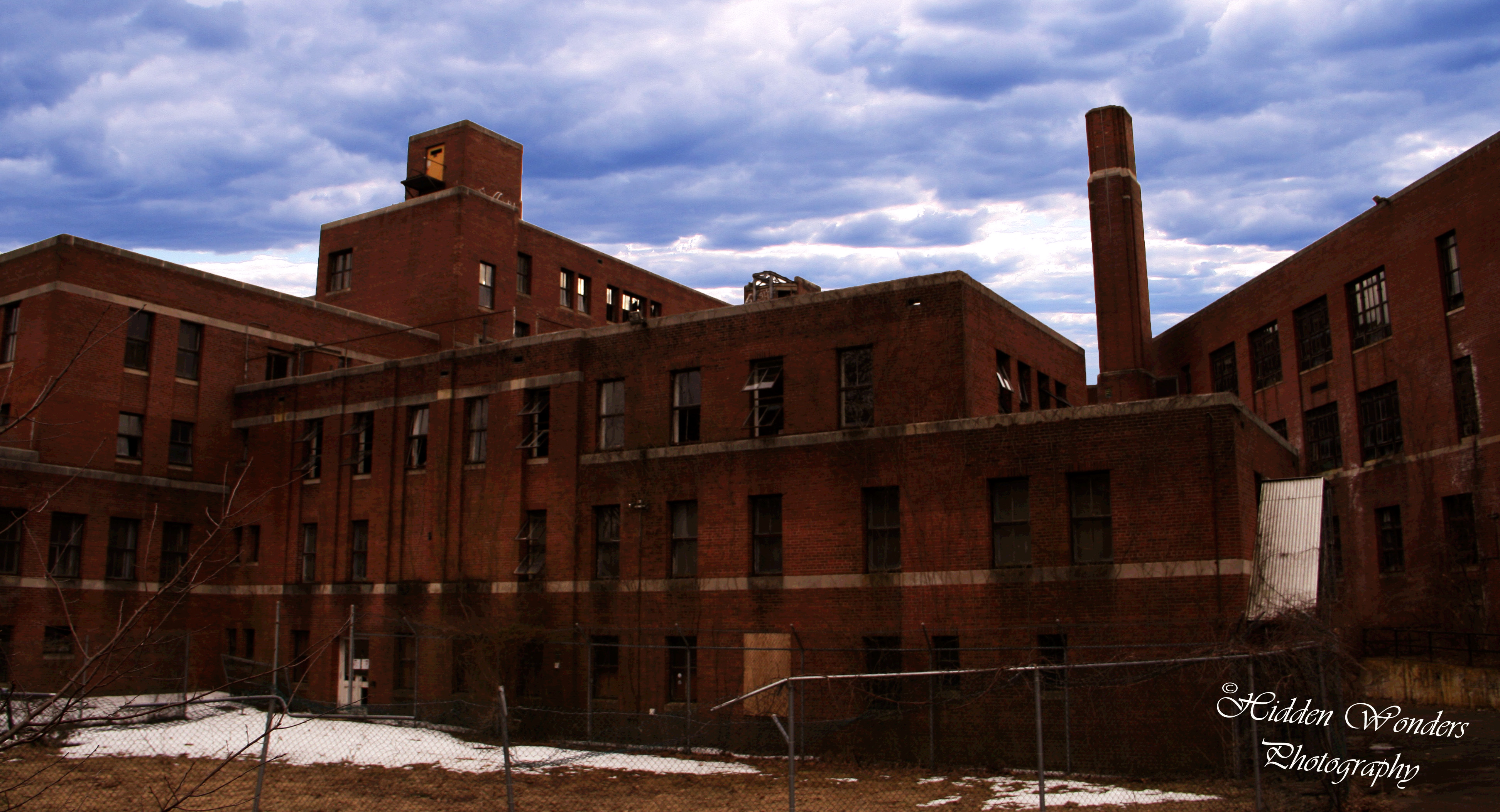
The state of Connecticut is home to many well-known abandoned mental hospitals. In the shadow of the rolling hills of Southern Connecticut once stood one of our most feared and legendary facilities: Undercliff Sanatorium. Located in Meriden, CT, the grounds stood just a short walk off the beaten path of Hubbard State Park. Though several buildings on the grounds are still active state facilities, the main hospital had been abandoned since the seventies. Since its creation, it served several different purposes including a mental hospital and a storage facility. For many years after its demise, the facility sat empty and decaying. It was not until the spring of 2014 that the old hospital was finally demolished, torn to pieces over a few weeks. We were lucky enough to visit the abandoned Undercliff Sanatorium while it still stood in the early months of 2013.

hartford First opening in 1910, Undercliff Sanatorium is still an active state facility. It has recently been renamed by the state as Undercliff State Hospital, since it is no longer used for its original purpose. Covering over forty acres in the town of Meriden, the facility was originally built to treat children with tuberculosis and other diseases. As modern medicine developed and these diseases became less common, the facility slowly evolved into a treatment center for adults. In the 1950’s, all adolescent patients were transferred to Seaside Sanatorium. (see our write-up here) In the 1960’s, Undercliff evolved once again into a state mental health facility. The main hospital officially closed in 1976, and has essentially remained unused. Much like all abandoned hospitals in Connecticut, there were rumors of patient abuse and there have been many alleged hauntings on the property.

This slideshow requires JavaScript.

Reaching Undercliff Sanatorium was no easy task. Due to large amounts of vandalism and trespassing, the official road signs for the facility had been removed to discourage visitors. We had read reports about some people being able to simply drive down the road and up to the facility itself. We found these hard to believe, especially considering a Connecticut State Trooper is housed on the grounds. Since it is still an active state facility, Undercliff was said to have a heavy police presence. We decided to park at the nearby Hubbard State Park. We made the climb up the mountain to Castle Craig, which gave us an excellent aerial view of the entire Undercliff campus and the surrounding towns. We then moved down the mountain to find a better way to get to the abandoned facility.

This slideshow requires JavaScript.

After climbing down the mountain, we came upon a road leading off into the distance. Across the road from us, we found an old path into the woods and decided to follow it. It led us deep into the forest, and eventually we came upon an open field leading up to Undercliff Sanatorium. It was massive, looming ominously in the distance as we slowly got closer. Despite all the rumors, we did not encounter a single trespassing warning. There were no fences, no signs, and we didn’t see a single police officer or security guard. The entire grounds seemed empty. It was weird. We cautiously moved closer and closer to the facility, unsure if it was illegal or not. But oddly enough, the closer we moved onto the grounds, the quieter things became. There was not a single sign of life. We continued moving up cautiously and quietly until we finally reached the hospital.

This slideshow requires JavaScript.


 The abandoned hospital was huge. After successfully crossing the open field, we entered the parking lot of the main hospital. There were two buildings adjacent to each other.  One was a simple rectangular building while the main hospital was blockier with each floor going up a little smaller than the one below it. Both were made entirely of brick. Every single window on the ground floor had been smashed and sub sequentially boarded up. Surprisingly, there wasn’t much graffiti on the hospitals exterior. A rickety chain link fence surrounded the main hospital, but there were so many holes cut into it that it was pretty much useless. The doors were all heavily boarded up, except the main door ironically, which had been busted open at the bottom. People were able to crawl inside easily through this hole, which looked relatively new. But there were asbestos warning signs posted everywhere.

This slideshow requires JavaScript.

We encountered several other explorers, who helped us get inside via the opening at the main door. Inside, Undercliff Sanatorium was a maze of darkness. There are almost no pictures of the interior because we foolishly forgot our flashlights. The main hospital was at least seven floors, including a basement which was mysteriously flooded when the facility was abandoned. Rumor has it that the facility’s crematorium and morgue were located down there, and it was flooded to keep people away from them. Each hallway was a little creepier than the last. Each staircase was in ruin. Around each corner lay more shadows and more destruction. Vandalism was rampant everywhere. Oddly a lot of supplies seemed to have been left behind, and summarily destroyed by vandals. The main attraction of the abandoned facility was the theater. On the north side of the main hospital, which could be seen from the outside, was a large and ghostly theater featuring hundreds of empty chairs staring at a rotting stage. There was definitely a dark vibe about this place. It could be felt throughout the entire facility.

This slideshow requires JavaScript.

Though it has since been demolished, the darkness of Undercliff Sanatorium can still be felt. When you visit a place like this, it never really leaves you. Just looking at the facility from the outside, we could feel presence that lay within its walls. It is unclear at this time what the state plans to do with the now demolished site. Since the grounds are still an active facility, it will more than likely continue to serve that purpose. One fun rumor we heard about this place is that the Travel Channel show “Ghost Adventures” wanted to do a paranormal investigation here and even offered the State of Connecticut a good sum of money to allow them to do so. But all offers were mysteriously turned down. Unfortunately, whatever dark secrets and evil deeds this facility once held are no more. But the ghost of Undercliff will always be there.

Where the Tracks End

The Abandoned Willimantic River Railway

Written by: Sean L.

Photographs By: Amanda H.

     Along the banks of a lively river in a bustling town, there lies a world hidden in plain sight. Much like another former rail yard that we investigated long ago, Cedar Hill, this is a place outside the bonds of society. It is a place that has become its own little world, where the unexplained and the unexpected walk hand in hand. This is all that remains of the once prominent Willimantic River Railway. Though it may not be as dark and depressing as the abandoned Cedar Hill rail depot in New Haven, it is just as wild and dangerous. This is a world that nature has reclaimed, and the wilderness has claimed dominion over the land. The last remnants of mankind’s kingdom slowly crumble against the weight of time. Tracks have been ripped up. Train cars have been left to rot. An old bridge still runs across the river, decaying in the sun. Although the world left this place behind a long time ago, many different forms of life have come to call it home. On our investigation, we encountered signs of birds, beasts, and even humans living amongst the underbrush.

   The official entrance to the Willimantic River can be found on Columbia Avenue. Sitting right before the Columbia/Windham town line, the area is technically a part of the Hop River State Park Trail. Commonly used for biking and hiking, the trail begins here and extends all the way to the Vernon town line. It is describes as a perfect two mile ride or walk for your average outdoorsmen, but it wasn’t always this way. In the mid 1990’s, the town of Willimantic was a hotspot for railways and train yards. One of the older and more prominent lines ran across the picturesque Willimantic River. However, a fierce rainy season during the summer of 1955 caused major flooding in the area. The flooding permanently crippled some of the bridges on the Willimantic River line, causing it to be decommissioned shortly after. Following its closure, the land was converted into a recreational area. The former railway bed was removed and covered with gravel, making the paths perfect for bikers. It is now managed by the Connecticut Department of Environmental Energy and Protection, and maintained by local volunteers and organizations. However, not everything was removed from this former railway line.

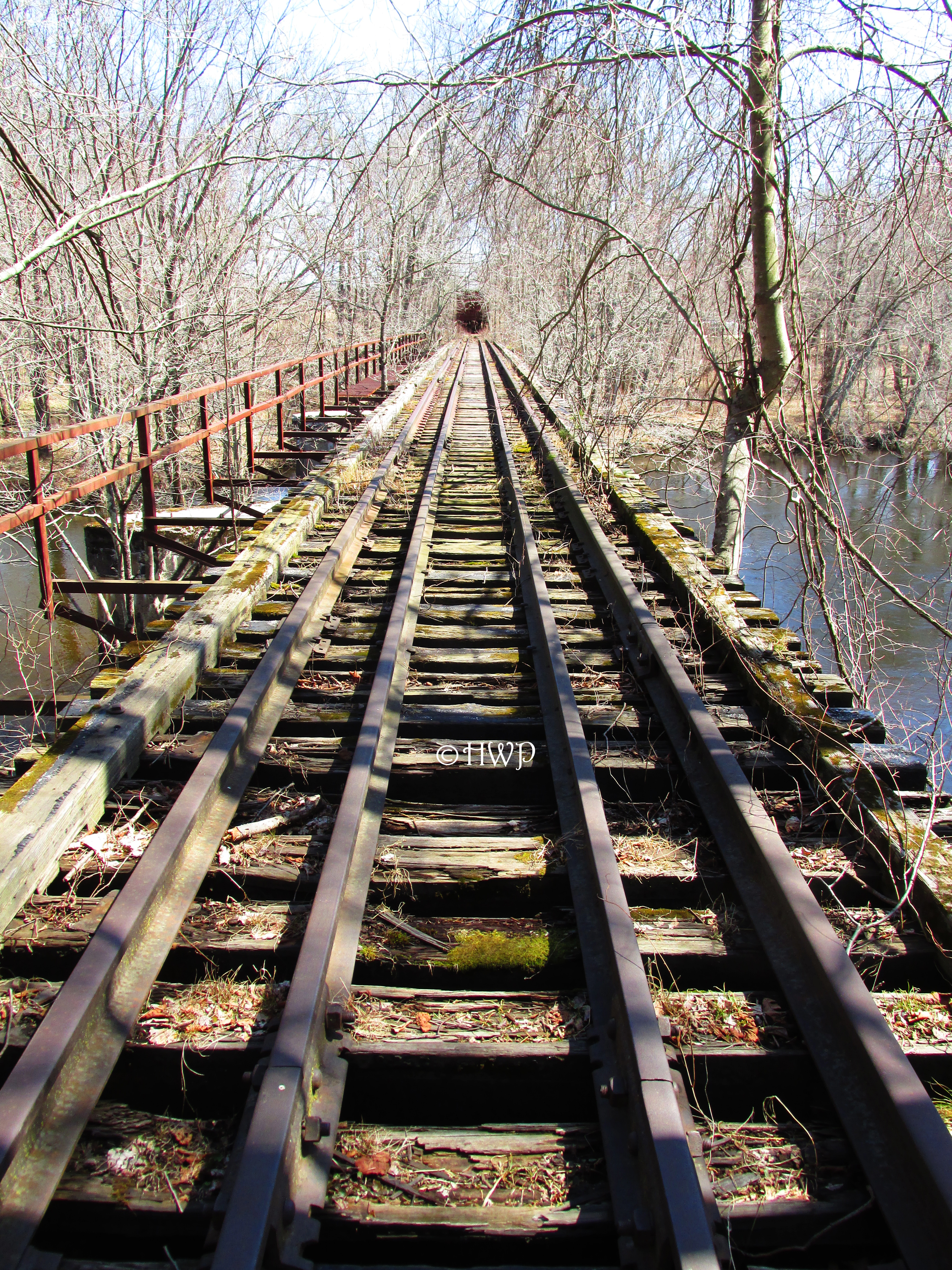
   The crown jewel of the abandoned Willimantic River Railway is the bridge. This ancient trestle runs across the Willimantic River, and can be seen from the road. At first glance, it is hard to tell whether or not the bridge is still in use. Once you get up close, it become abundantly clear. The bridge is very rusted, and the wooden support beams have become old and frail. It is about two hundred feet across the bridge, which stands over fifty feet above the running waters of the Willimantic River. Wild vines and vegetation grow all around it. The bridge is quite unsafe and very unstable. We crossed it by going one step at a time, though the entire structure seemed to creek and sway with each and every step. It is not recommended to cross this bridge. It has been nicknamed “The Bridge of Death,” after Monty Python and the Holy Grail. However, it’s much more reminiscent of the railway bridge from Stand by Me. Halfway across it, I almost expected to hear Wil Wheaton yell, “Train!” Sadly though, it has been many years since any locomotive passed across this old structure.

This slideshow requires JavaScript.

    On the other side of the river, the old tracks continue for a ways. Sitting on them, is what appears to be a long abandoned set of train cars. The train cars are huge, each one standing very tall and very wide. They have all become overgrown and all but forgotten. Their wheels have become rusty and decrepit, even to the point where it is doubtful whether or not they can even move anymore. We were only able to walk along the left side of the train cars, as the right was completely overgrown with vines and thorn bushes. The old set of train cars sits right beside what must be either a dumping site a Mackey’s supply store. While scoping out the train cars, we encountered what must’ve been either a large dog or coyote which quickly took off into the woods. Though the train cars had some graffiti and there was plenty of liter around, there was no way anyone could break into these. All of the doors and hatchways were padlocked shut. It remains unclear to us whether these cars have been abandoned, or if they have merely been forgotten here.

This slideshow requires JavaScript.

     Though the ancient bridge and the old train cars were very cool, the thing that stood out about this place the most were the tent cities. Throughout our walk, we came across three different abandoned encampments along the banks of the river. Each one appeared to have once held a small group of people. There were tents, cooking supplies, clothing, fire pits; everything that was essential to survival. But each encampment had been totally ransacked. Tents were torn apart. Chairs were flipped over. Clothing and sleeping bags lie strewn across the forest floor. It looked like these encampments had been cleared out overnight, like something out of The Walking Dead. We have heard rumors that the local homeless population had been granted legal permission to camp out here, but they have clearly been gone a long time. But for some reason, all of their belongings had been left behind.  There were also dozens of old car tires thrown about all over the place. Some were clustered together, others were in small stacks. It was very strange. But then, we’ve seen it before many times in the past. Places like the Willimantic River railway get left behind, and a whole new world takes over.

This slideshow requires JavaScript.

This is what becomes of a place when it finally hits the end of the line. This is where the tracks end.

The Cabin in the Woods

Exploring the Abandoned Case Cabin

Written By: Sean L.

Photographs By: Amanda H.

    Off the beaten path, where the land meets the water, there is a place that time has forgotten. It was once the place where families grew and where childhoods were enjoyed. Deep in the heart of Manchester, Connecticut, it is the home of memory and the sanctuary of the lost. This former kingdom of joy sits at its final resting place along the banks of Case pond, nearly lost amongst the thick forests surrounding it. People walk by this place every day like clockwork, but only a few take notice of it and even fewer can really appreciate it. This is Case Cabin, the former summer home of the wealthy and renowned Case family.  Though it has remained abandoned for many years, the cabin still stands, a shell still clinging to the memories of the past. The sounds of life have long since been silenced, but somehow, this place still speaks from beyond the grave. There is a presence here, the lost memories of the past still haunting the long empty halls of this former summer home.

In 1862, two brothers of the well-known Case family purchased two acres around the beautiful Case Reservoir in Manchester, Connecticut, and this is where they built their summer home. The Case family were successful industrialists from the area who owned and operated multiple factories and processing plants. The exquisite log cabin was first built in 1917 using sturdy chestnut wood from the neighboring forests. Throughout the early twentieth century, this place was the vacation paradise of the wealthy Case family. Many parties were celebrated here during the roaring twenties, and the family commonly lived here during the summertime. But much like the summer beauty, the prestige of this wondrous place eventually waned. The prestige of the family slowly came to end, and the summer home was eventually left behind. The Case family remained a powerful and successful family until the 1960’s, when their company was bought out. Over the last few years, their former land has been steadily acquired by the town of Manchester as part of an initiative to create more open and recreational space for town residents.

Case Mountain Recreation Area is a large town park located in Manchester, CT, just over the border of Bolton/Glastonbury. It is commonly used today by locals and visitors from all over the state for walking, hiking, and kayaking. The focal point of this park is Case Pond. It is a small body of water with several little streams flowing into it. Along one side of the pond are a series of large houses. Most of them have little boat houses or docks along the banks of the pond. On the other side, is Case Mountain Recreation Area. This area was made possible due to land donations and conservation from the town of Manchester and from several families in the area. The town of Manchester purchased several acres for the recreation area a few years ago. Included in that purchase, was the former Case family summer home. Most recently, the cabin was the setting of an independent horror film entitled Animal. The film starred Joey Lauren Adams (Mallrats) and Keke Palmer (Akeelah and the Bee).

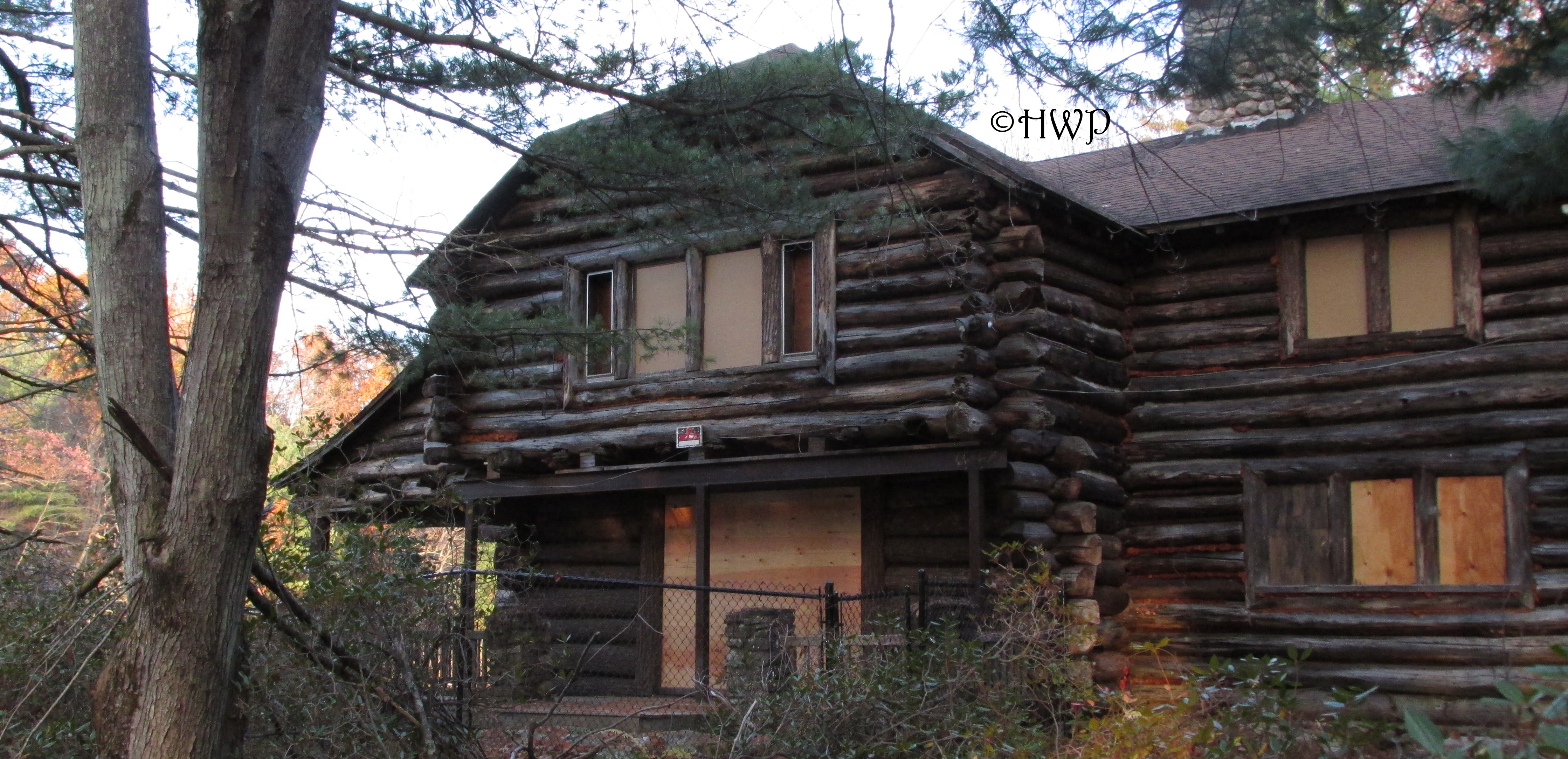
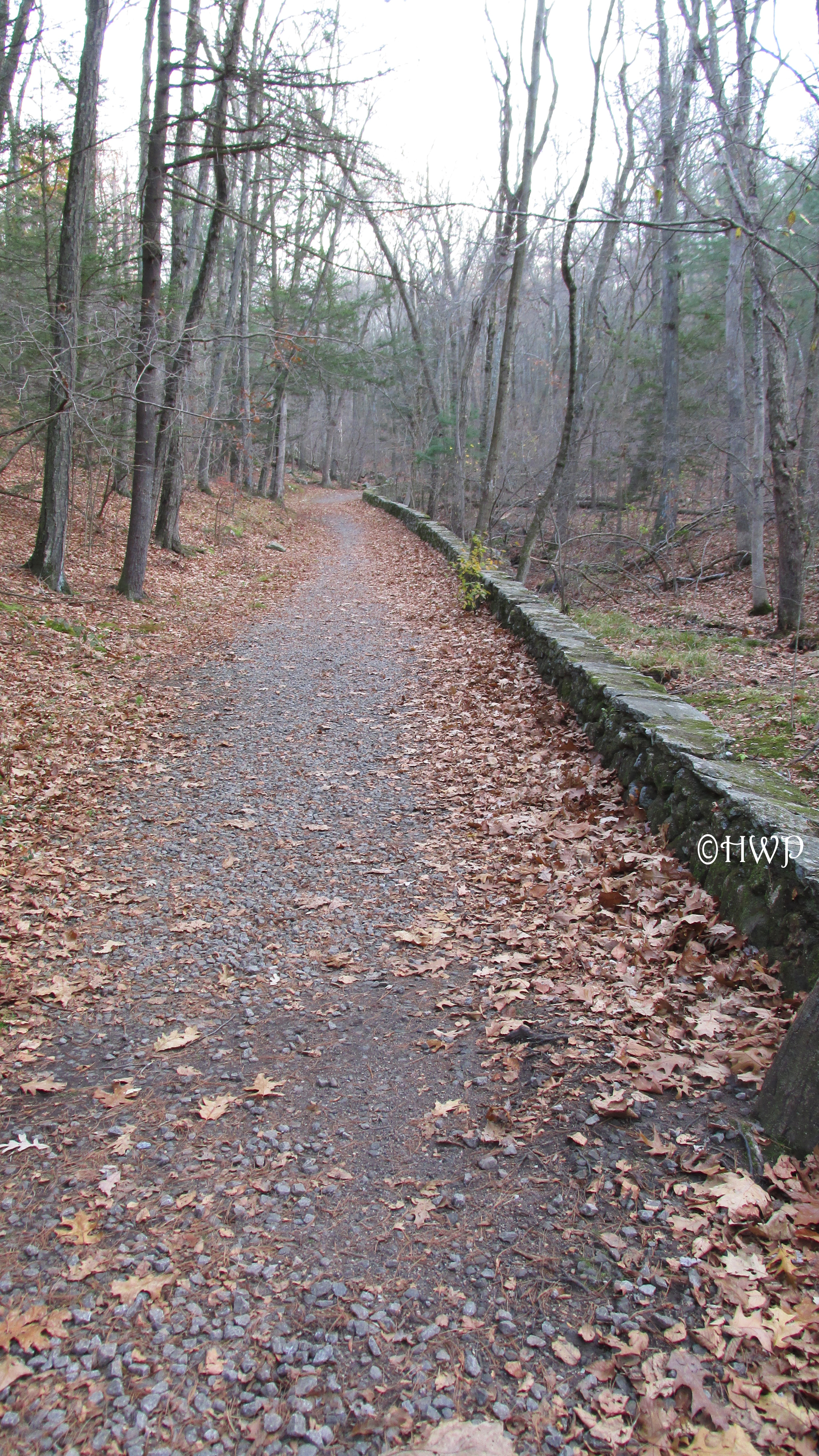
We visited the park on a beautiful fall day in 2014. A short drive from our home, we parked at the Birch Mountain entrance to the Case Pond Recreation Area. Though it is located right next to the busy Route 384, the park is relatively quiet and peaceful. On either sides of the trail, there are wealthy neighborhoods. The park is also rather heavily frequented. We ran into quite a few fellow hikers and a few mountain bikers. Case Cabin is across a stone bridge on the quieter side of the park, sitting silently along the bountiful banks of the pond. The house has a very rustic feel to it. It is like a very large old log cabin. All of the windows have either been boarded up, or strangely covered with cardboard. All of the doors into the house have been heavily padlocked. What made the house so curious to us is that while the house is slowly decaying, it appears to have been virtually untouched by the outside world. It is the first abandoned place that we have visited to have no litter on the ground or graffiti on the walls.

This slideshow requires JavaScript.

The windows have been boarded up, but it looks like they have been there for years. The house has been left to rot, but people seem to have left it alone. It was puzzling, to say the least. Though a chain link fence protects the house, there are several weak spots which make it look easy to get around. We do not condone or recommend this though. The deck in the back is incredibly unstable. It is in a very bad state of disrepair, with loose or even missing floorboards. It also has a strong tilt to it. Next to the cabin, lies a strange green house. The windows have all been boarded up quite sturdily. Broken glass is all around it, which means that it has been a victim of vandalism in the past. We are not sure what this house is. It is considerably smaller than the cabin, and looks to be much newer. It is also in a very bad state of disrepair. However, much like the cabin, there are several openings that are used by birds and squirrels to nest inside.
This slideshow requires JavaScript.

The cabin also appears to be very protected, outfitted with a very up to date and top of the line security system. Motion sensors and anti-burglary alarm systems are positioned all along the outer walls of the cabin. These sensors send signals to their base of operations, most likely the local police station, and then the alarm systems are triggered. Clearly, someone does not want this place to be disturbed. It has been deemed a landmark, and though the town continues to put up measures to protect it, they clearly have no plans to restore this former summer home. Over the years, windows have been boarded up, doors have been locked, and fences have been put up rather than restoring or demolishing the old building. Instead, it simply sits in silence, waiting for its final judgement day to come. Though it was once a place of light and joy, it is now nothing more than a cabin in the woods.