
The Crumbling Kingdom
The Abandoned Seaside Sanatorium
Written by: Wilk
Photographs by: Lassie

A relic from the old world sits alone on the picturesque shores of New England’s Long Island Sound. The steady waves of the ocean lap up against the sandy shores, but she doesn’t move a muscle. Armies of birds of all shapes and sizes roost amongst her crumbling rafters, but she doesn’t seem to mind. Small crowds of beachgoers flock by to enjoy their holidays, but they pay this beautiful disaster no attention. This is Seaside Sanatorium, and though she doesn’t look it, she was once considered one of the finest hospitals in the state. But that time has passed. We visit this abandoned facility every year, and each year this once shining star seems a little less bright. It is sad to say that the State of Connecticut has apparently ceased its protection of this old facility, leaving it ripe for rampant and senseless destruction from local vandals.

The main buildings on the grounds were designed by the world renowned architect Cass Gilbert in the early twentieth century. He was the same man responsible for masterminding the famous US Supreme Court building in Washington DC and New Haven’s Union Station. The facility was opened during the early 1930’s, seeing a long and colorful history that lasted until 1996. Over the years it has served as a children’s hospital, a treatment center for the elderly, and a facility for the intellectually disabled. Its beautiful setting along the shores of the Atlantic Ocean were said to provide a very peaceful atmosphere for its residents. Sadly though, the facility was allegedly home to several incidents of violent treatment of patients in the early 1990’s which would ultimately cause the demise of Seaside. It now sits abandoned, though it can be legally walked as a recreation area.
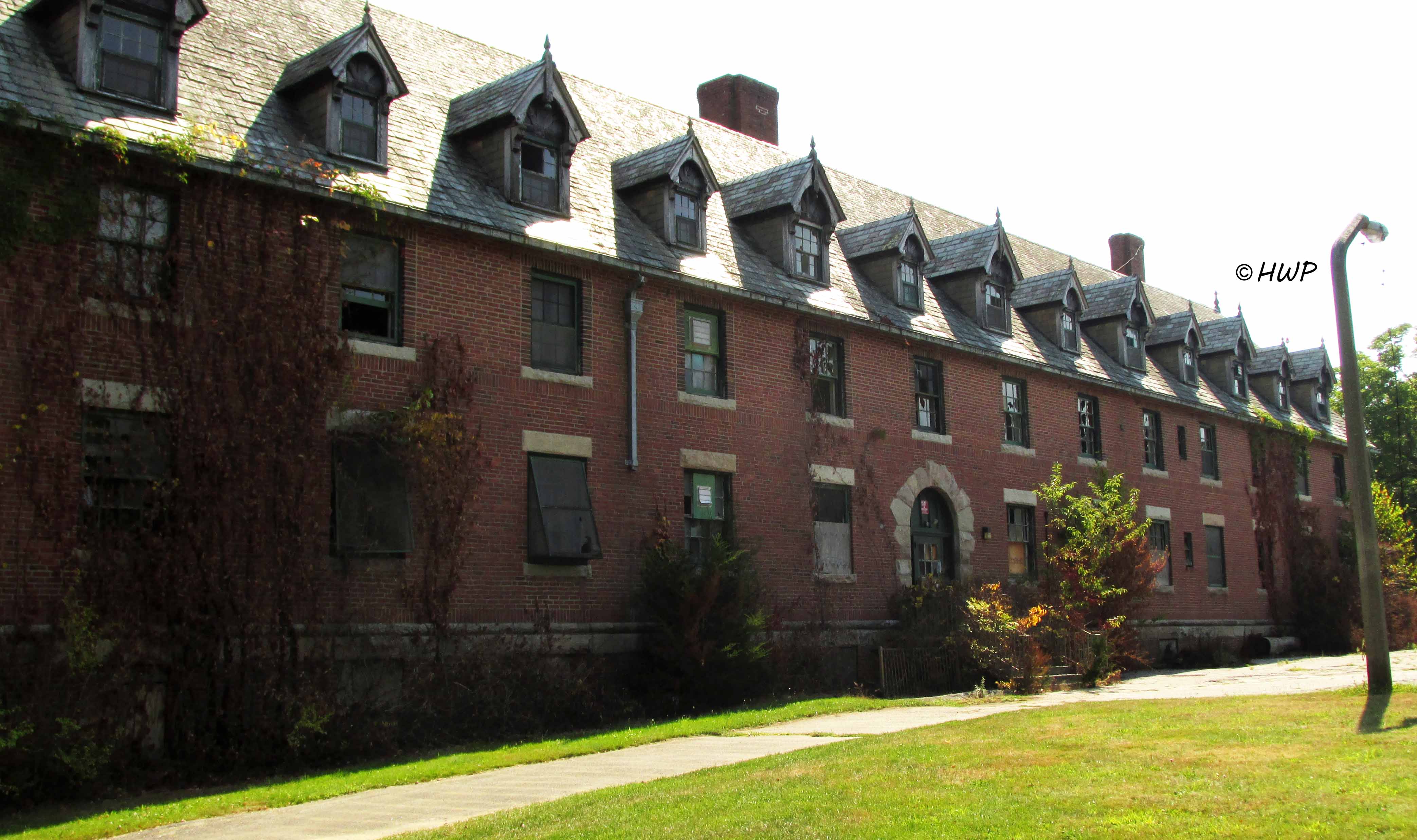
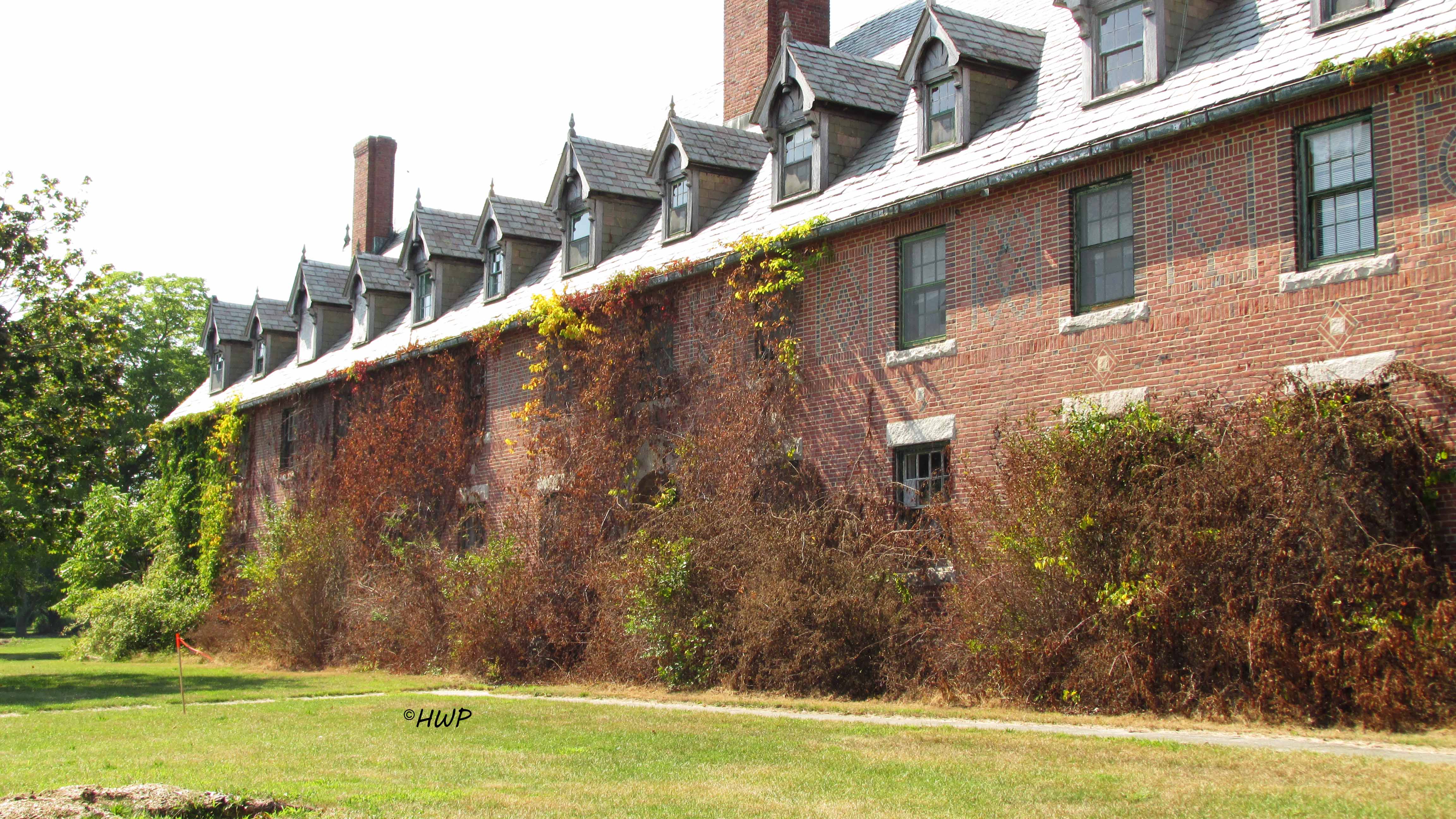
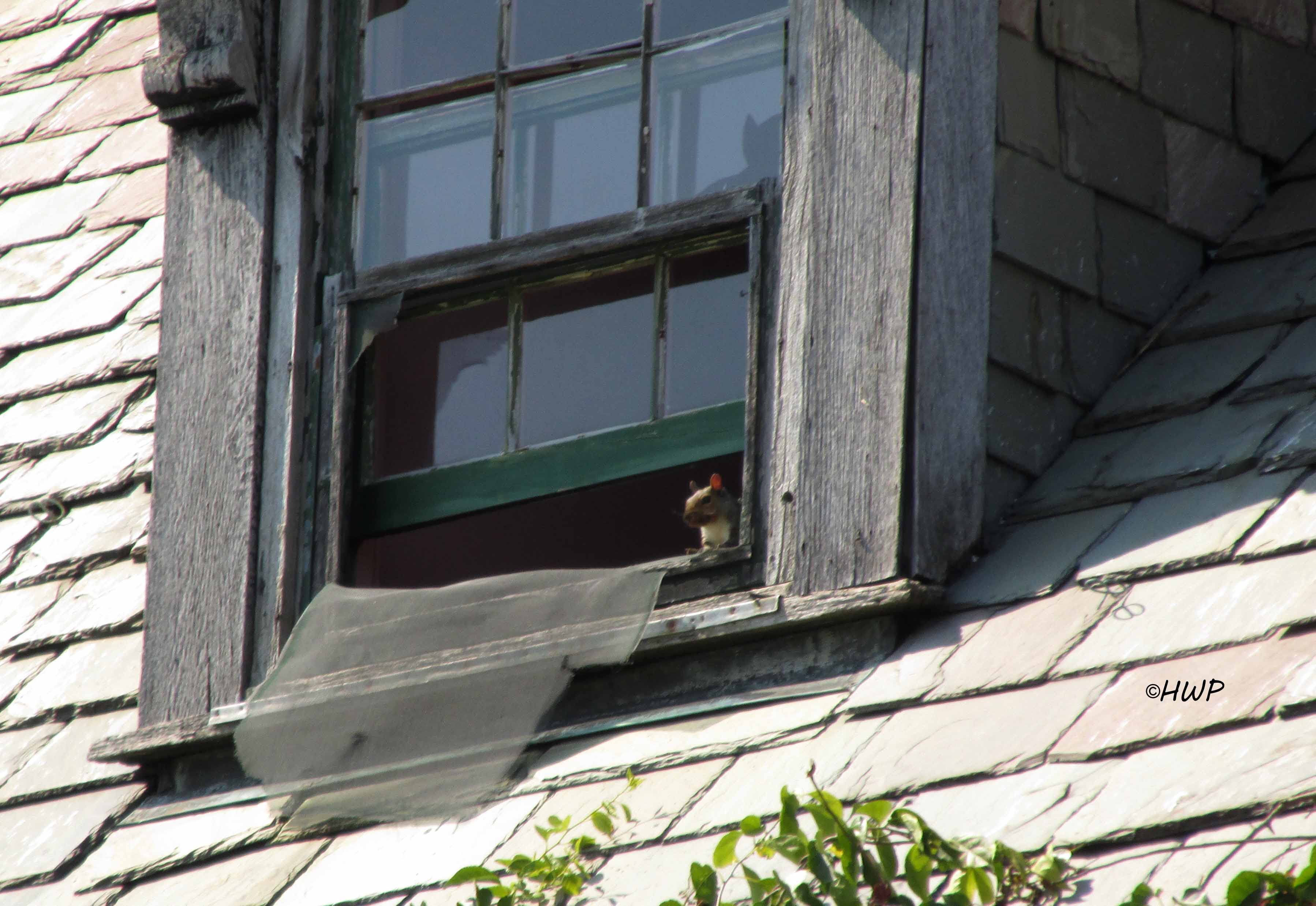
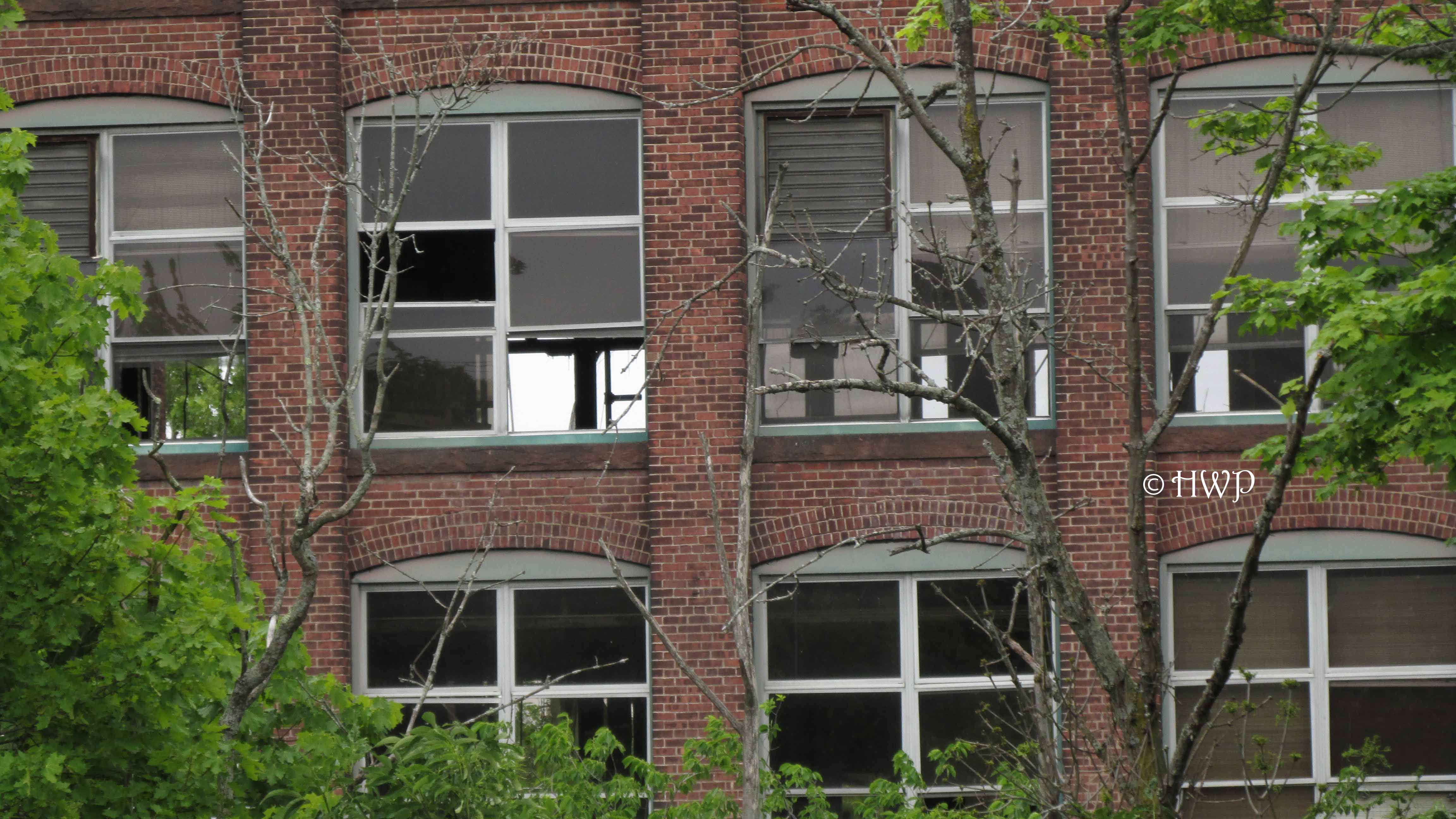
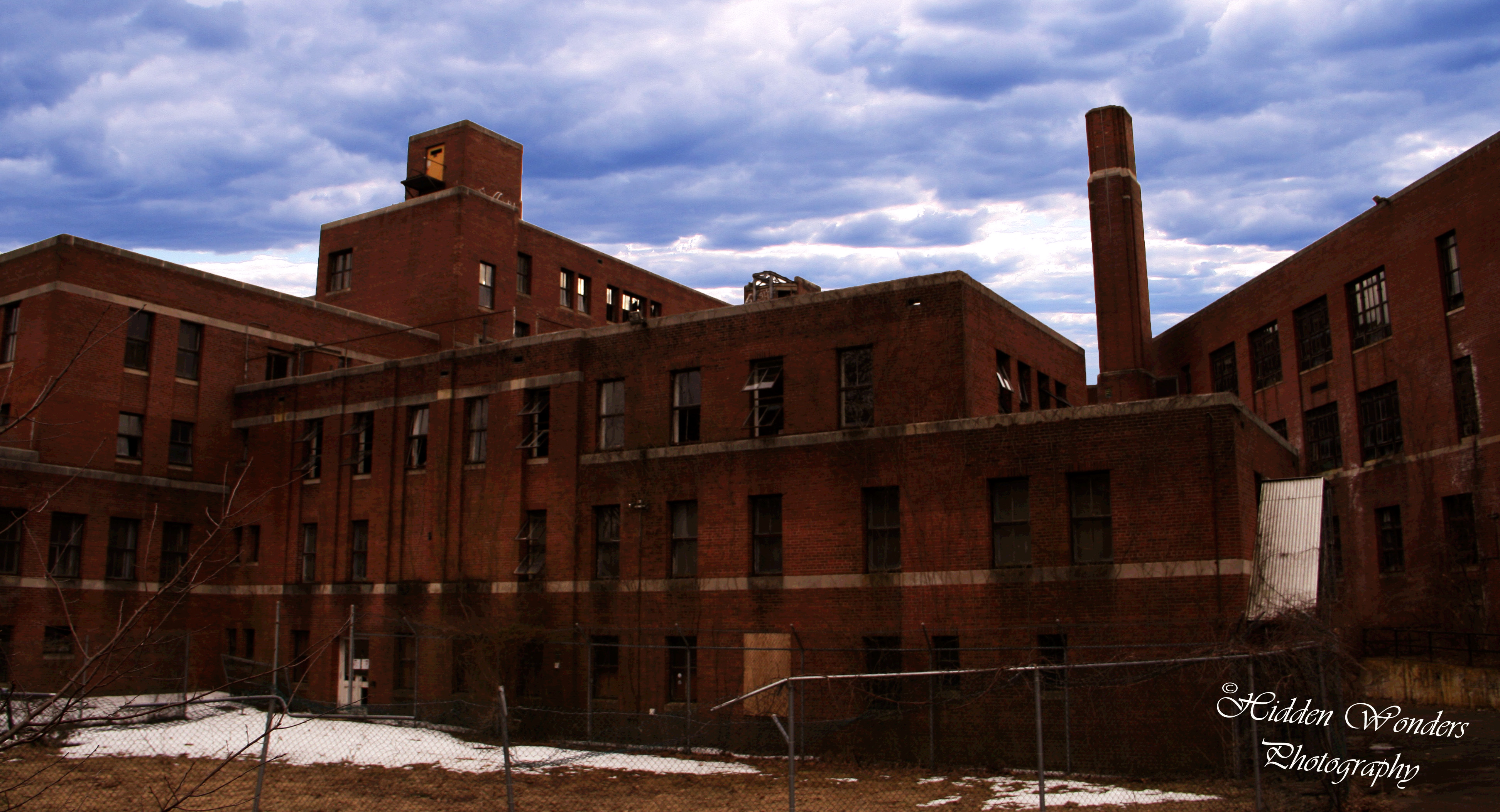
While the Main Hospital is the main attraction, its supporting act is the Nurse’s Building. Though it is not as ornate or extravagant as the Main Hospital, the Nurse’s Building is just as hauntingly beautiful. Windows have been boarded up. Wild vines coat the outer walls. The stairs from the old fire escape have been removed. A doorway that had been busted open by vandals has been crudely barricaded with mounds of dirt and tree branches. A small squirrel keeps watch from the upper rafters. But most noticeable of all, a family of Osprey has taken up residence on the buildings chimney. Perennial occupants, these massive birds of prey hold a strong presence over the entire grounds. Small birds hide when they fly by. The fearsome screeches of their feasting young echoes from their nest. And the massive adults keep close watch on anyone who passes by what has become their empire.


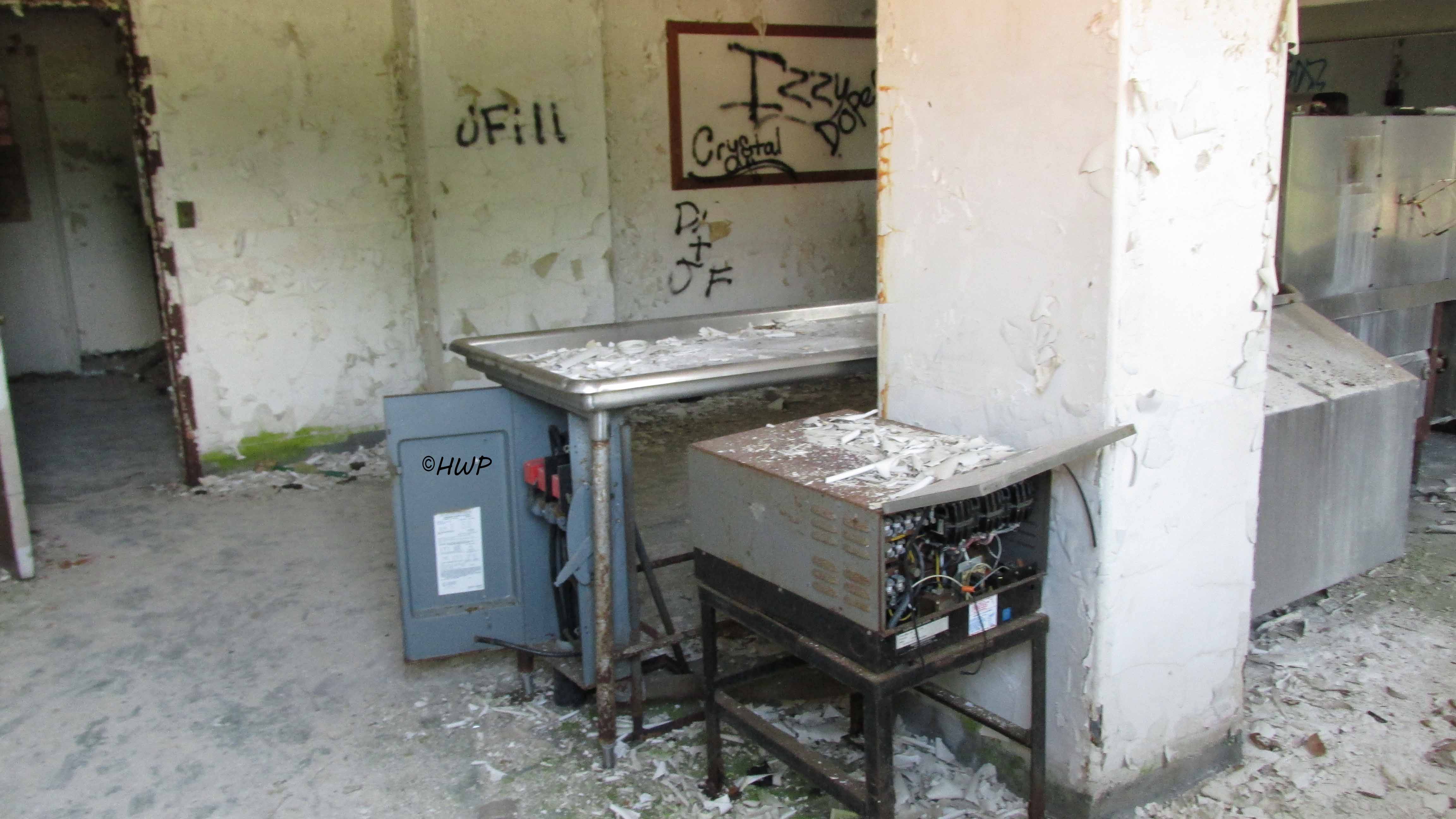
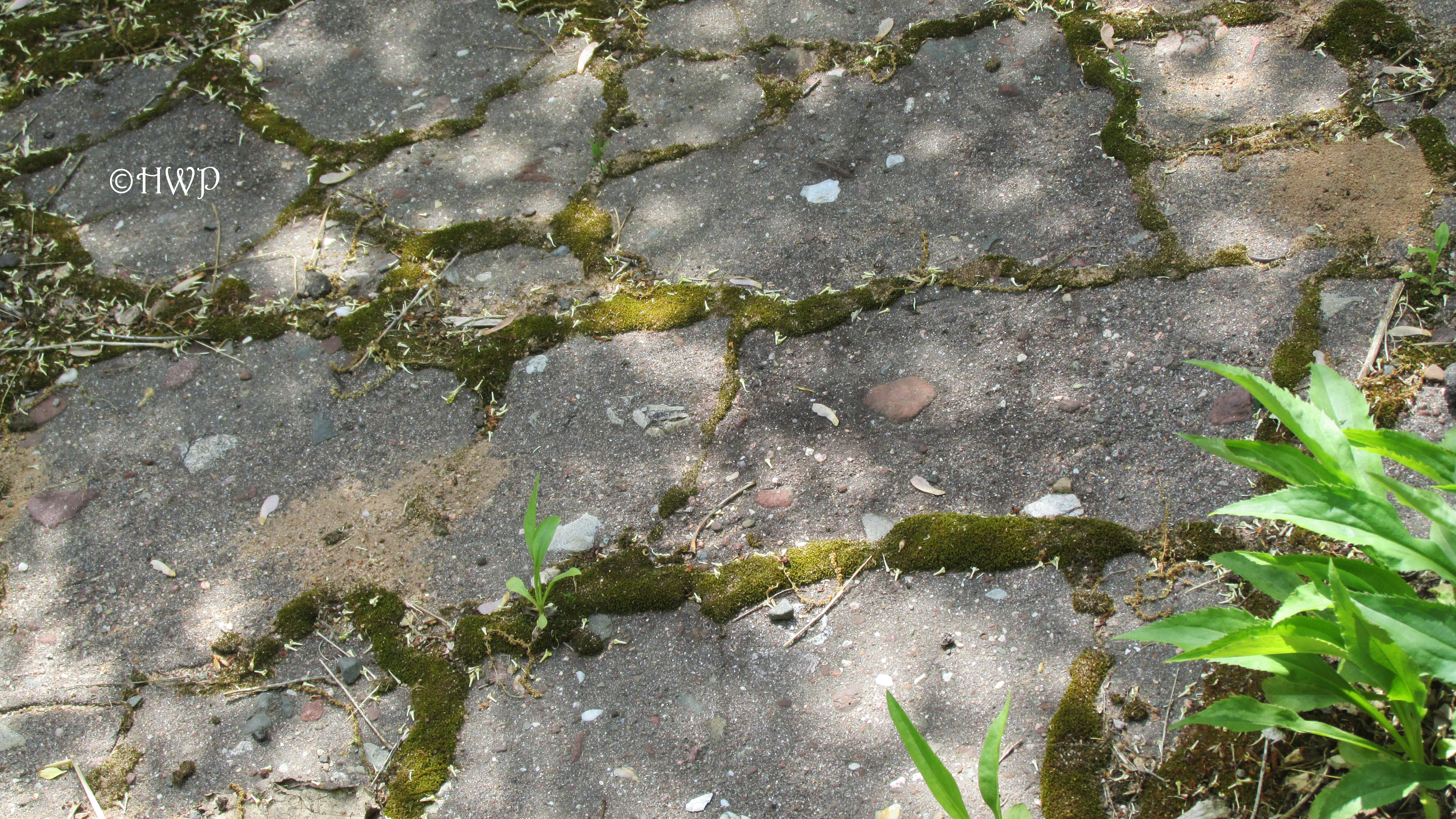
Of all the abandoned hospitals we have visited in our time, the main hospital of Seaside is the most breathtaking. Two broken lighthouses stand at its corners. A towering spire forms the center of the facility. Five brink floors stand tall before the Atlantic Ocean. The old ruins of the building’s parking lot lie in the back. The pavement still cracked with age. What is left of a playground stands at the front, defiantly facing the sea. An old slide slowly rusts into oblivion. A child’s merry go-round has become overrun with wild vines. Windows have been shattered. Walls have been defiled with graffiti. Inside, the shocking white paint hangs from the walls like sleeping albino bats. A few old pieces of furniture stands guard over any trespassers. And an earie silence fills the halls that were once full of patients and doctors alike. It is both comforting and terrifying.


The grounds still have an echo of their old past. A few dead power lines hang from rotting poles. A ghostly chessboard slowly disappears into the wild grass. A rusted fire hydrant still keeps watch over the facility. On our last visit, a round the clock security force was in place around the abandoned buildings. Today, there was no security to be found. And according to the locals, they’ve been gone for some time. The grounds have noticeably suffered since our last visit. When the cat’s away, the mice will play. And what terrible games they have been up to inside this poor facility. We encountered several destructive vandals on our trip, and had to frighten them out of the building on our own. These are the people that give what we do a bad name, and these are the people that cause the steady destruction of abandoned wonders like Seaside Sanatorium. She was once a proud and dignified medical facility. Now, she is nothing more than a crumbling kingdom.


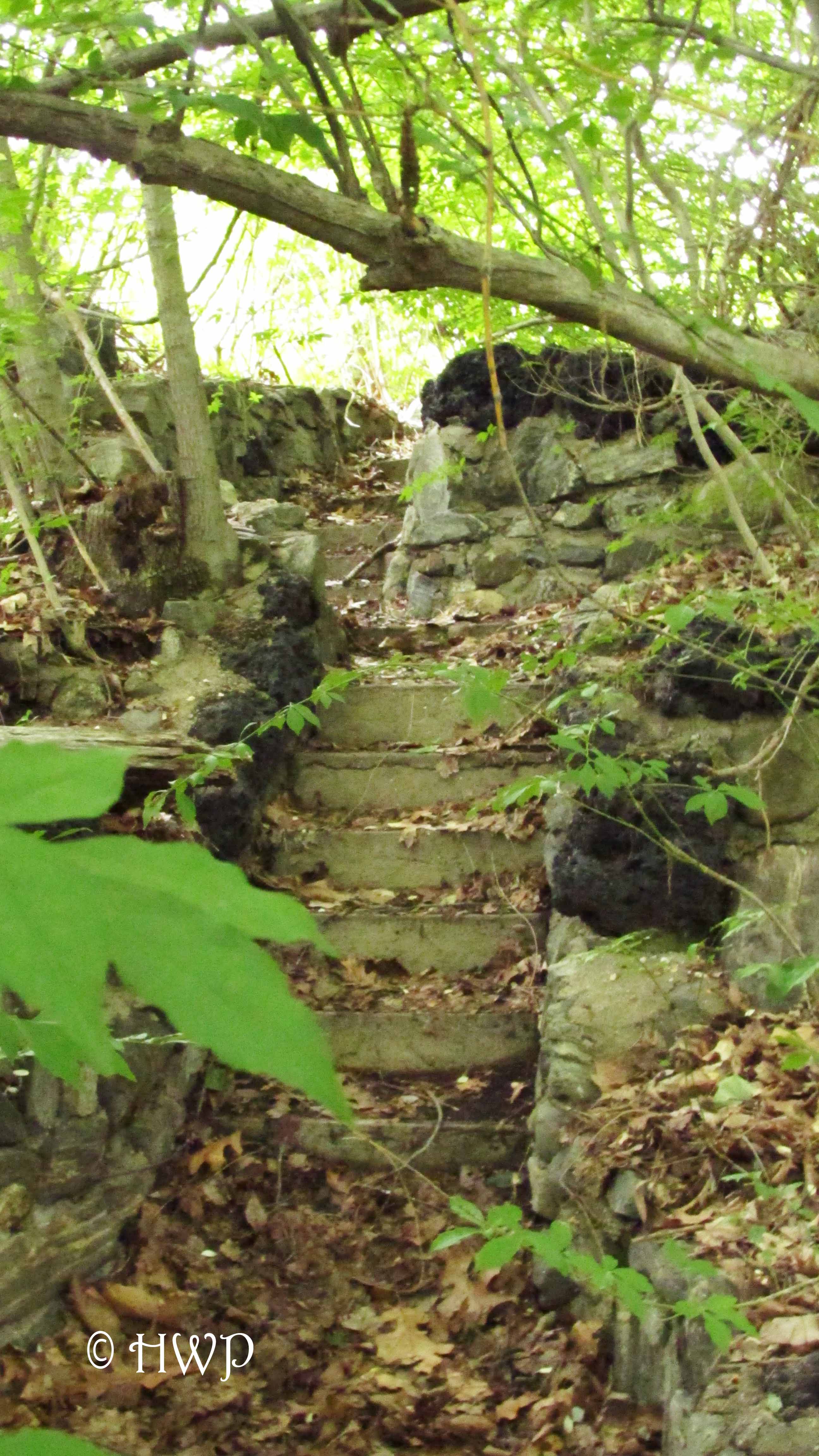

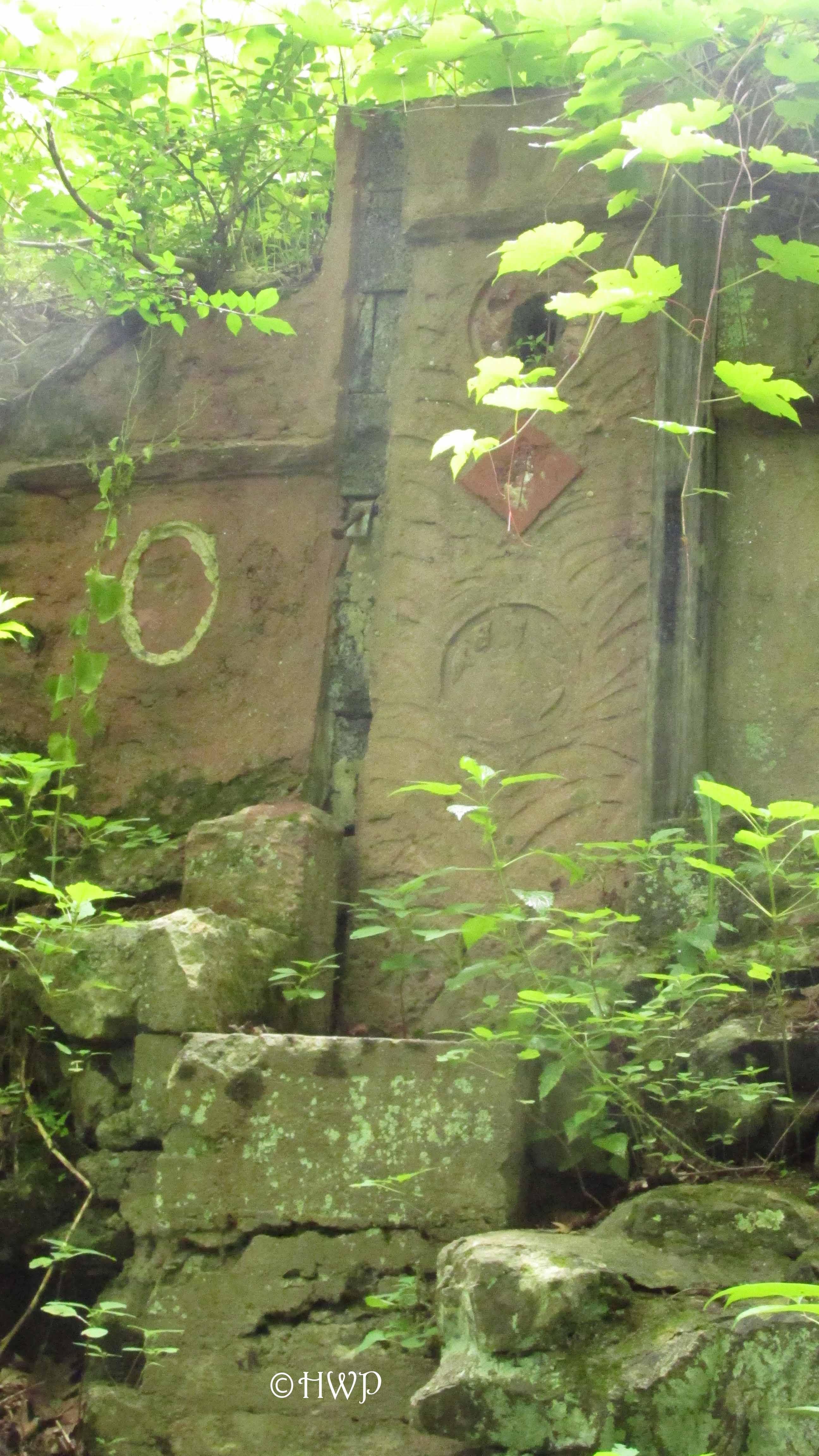
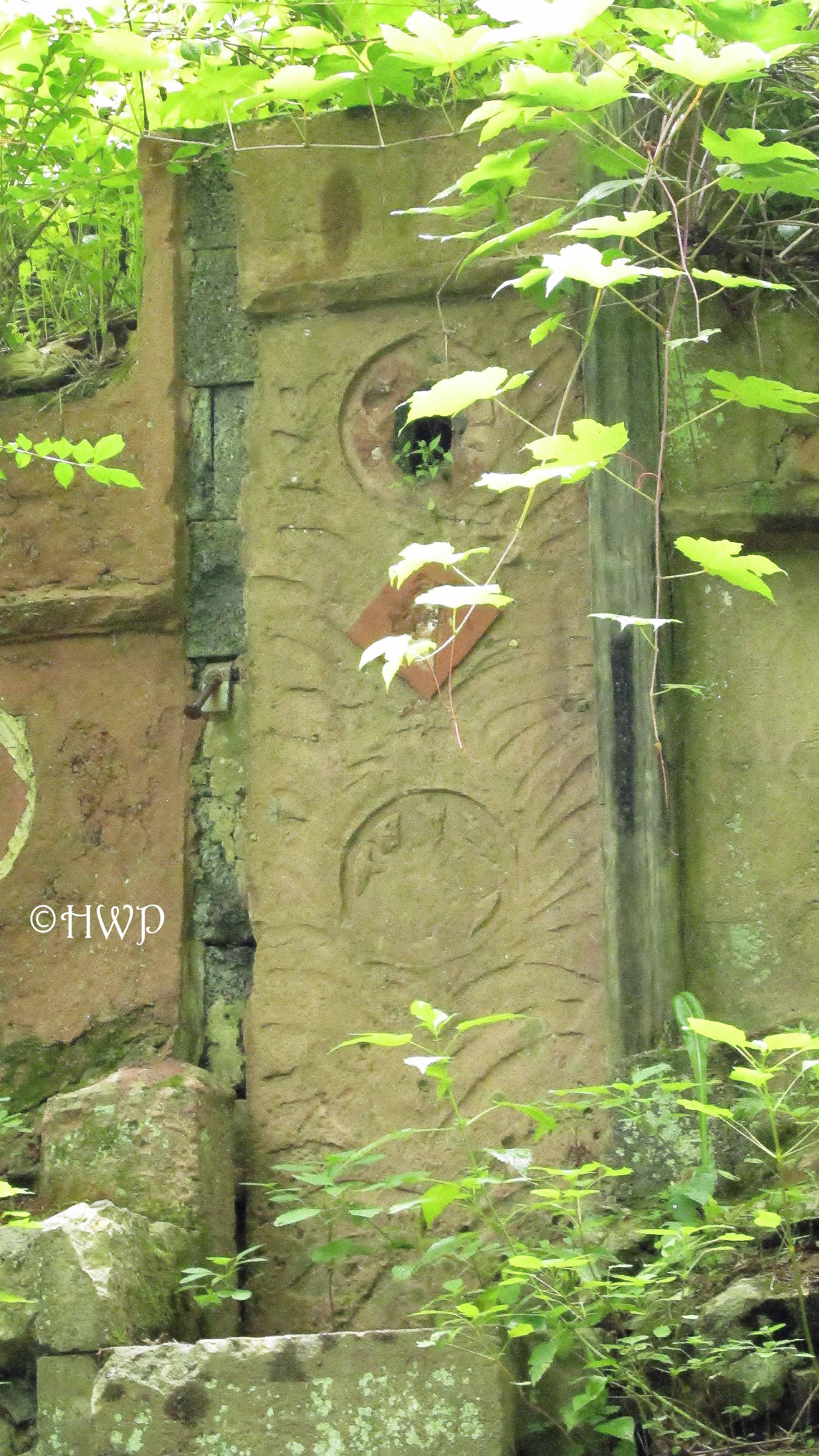


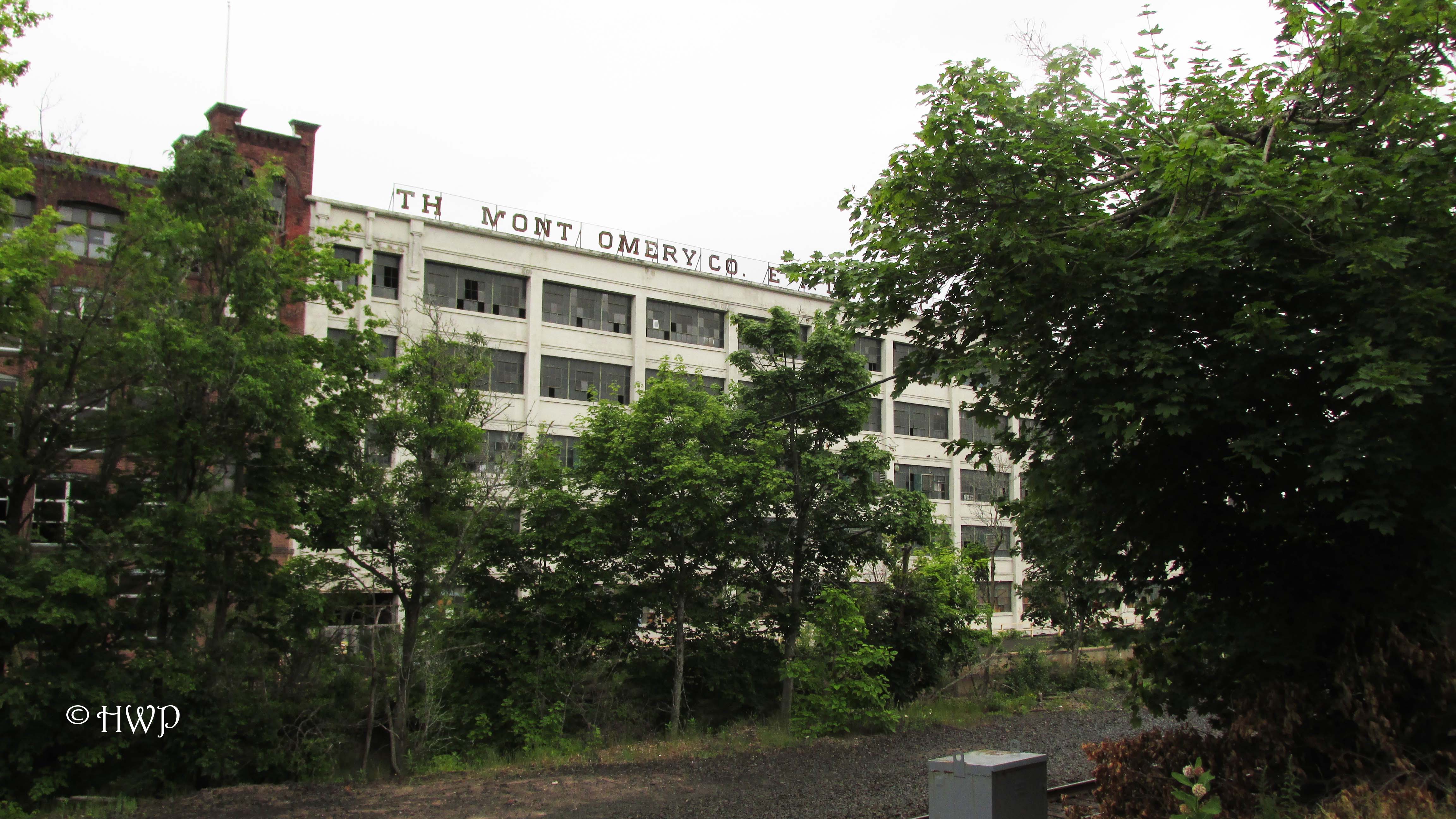














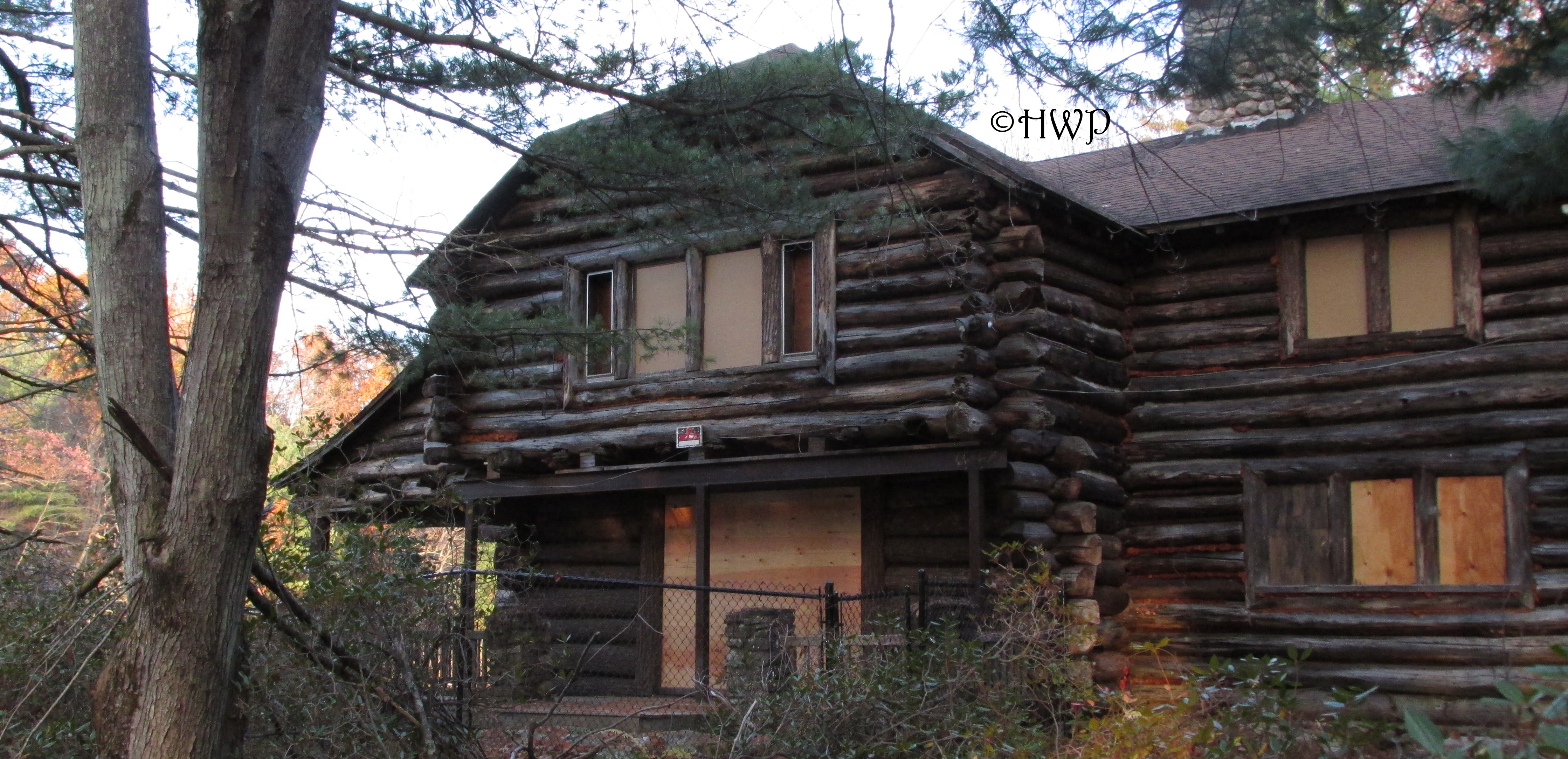

 celebrated here during the roaring twenties, and the family commonly lived here during the summertime. But much like the summer beauty, the prestige of this wondrous place eventually waned. The prestige of the family slowly came to end, and the summer home was eventually left behind. The Case family remained a powerful and successful family until the 1960’s, when their company was bought out. Over the last few years, their former land has been steadily acquired by the town of Manchester as part of an initiative to create more open and recreational space for town residents.
 Case Mountain Recreation Area is a large town park located in Manchester, CT, just over the border of Bolton/Glastonbury. It is commonly used today by locals and visitors from all over the state for walking, hiking, and kayaking. The focal point of this park is Case Pond. It is a small body of water with several little streams flowing into it. Along one side of the pond are a series of large houses. Most of them have little boat houses or docks along the banks of the pond. On the other side, is Case Mountain Recreation Area. This area was made possible due to land donations and conservation from the town of Manchester and from several families in the area. The town of Manchester purchased several acres for the recreation area a few years ago. Included in that purchase, was the former Case family summer home. Most recently, the cabin was the setting of an independent horror film entitled Animal. The film starred Joey Lauren Adams (Mallrats) and Keke Palmer (Akeelah and the Bee).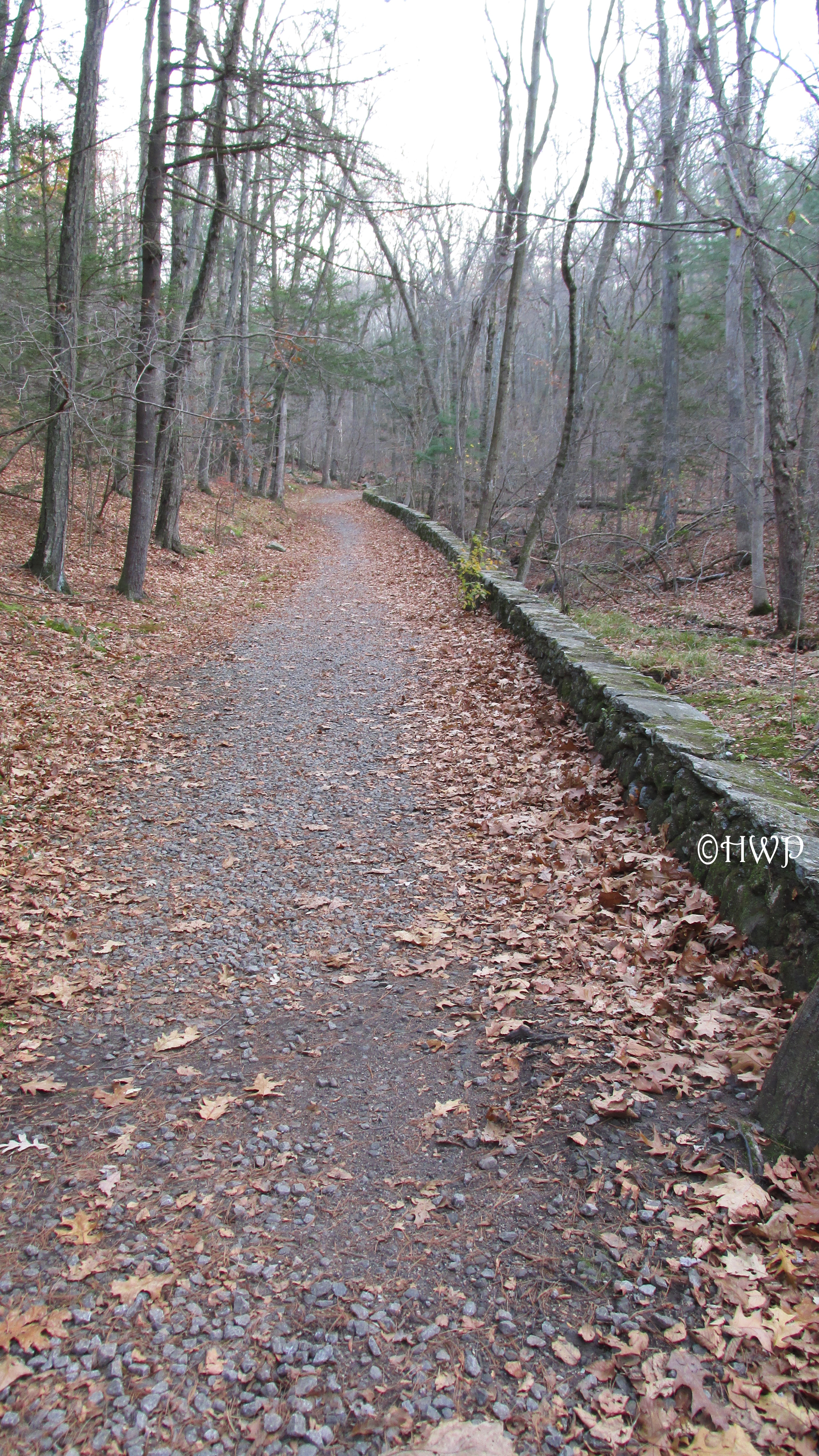


 Abandoned Wonders
